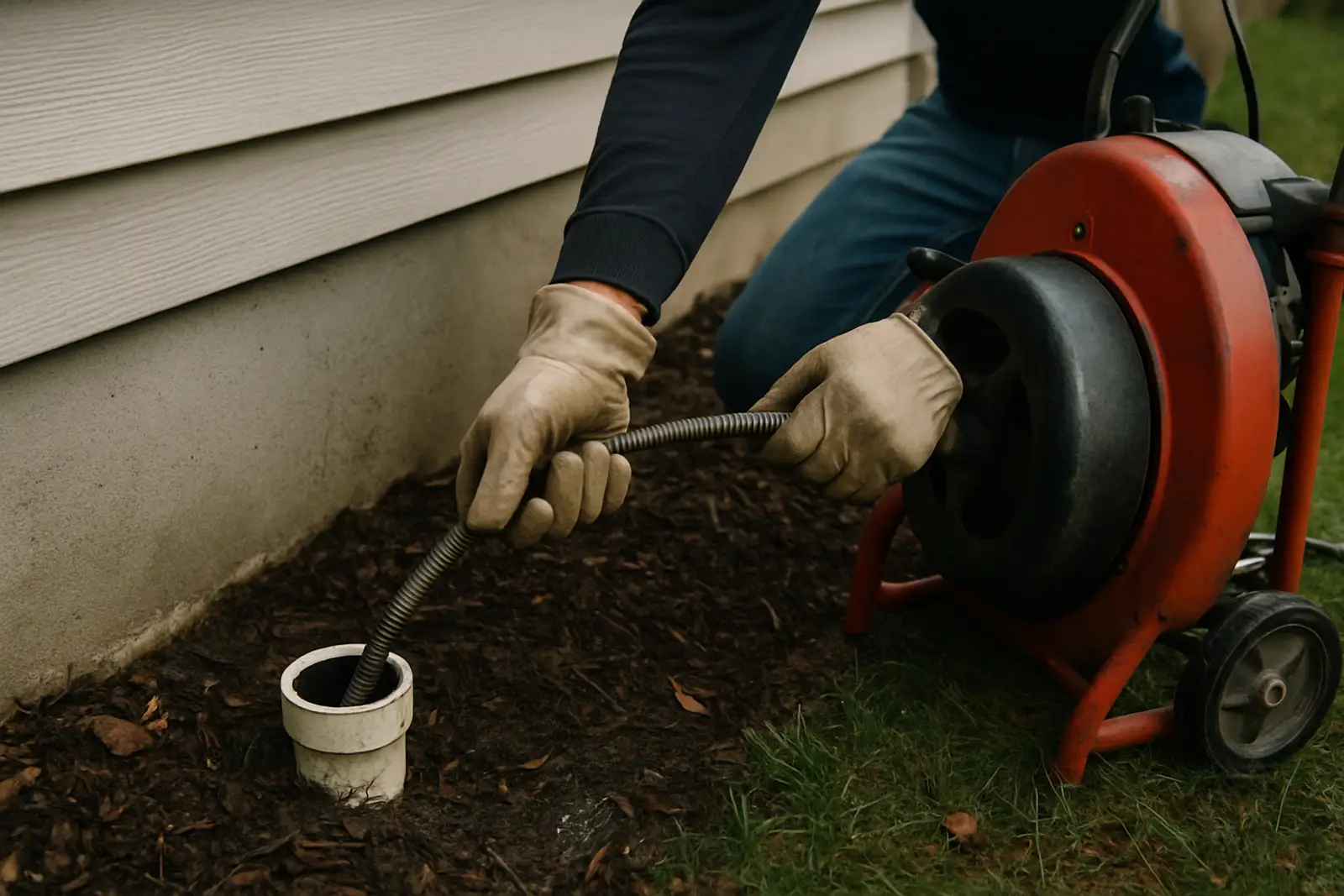
Houses and pipes in Miami Gardens
Most of Miami Gardens was built between the 1950s and 1970s in neighborhoods like Carol City, Bunche Park, Norland and Scott Lake. Nearly all are single-story concrete-block homes on slabs with iron drain lines underneath.
The city incorporated in 2003, but the homes are much older, and many have been in the same families for generations.
Many homes have added rooms or converted garages, putting more fixtures on the original drain line than it was ever meant to serve.
Miami Gardens sits on porous limestone with groundwater just a few feet down. Heavy summer rain floods streets and can overload mains.
Hard Rock Stadium hosts the Miami Dolphins, the Hurricanes, the Orange Bowl and major concerts, drawing huge crowds to nearby restaurants.
Who handles what in Miami Gardens
Miami-Dade Water and Sewer Department serves most of Miami Gardens, and the city's own utility serves some areas. The homeowner maintains the pipe running from the house to the public main.
Drain problems Miami Gardens homes see most
| Problem | Why it happens here |
|---|---|
| Rotting cast iron under slabs | Homes from the 1950s through the 1970s |
| Overloaded laterals | Added rooms and converted garages |
| Groundwater infiltration | Limestone and a high water table |
| Roots | Mango, avocado and ficus trees |
| Grease | Family cooking and holiday gatherings |
| Storm backups | Flat streets and summer downpours |
Miami Gardens drains through the year
From June through October, afternoon storms and tropical systems flood streets and push the water table up. Mains can overload.
Football season and big stadium events fill restaurants. Thanksgiving, Christmas and family reunions bring grease clogs.
What drain cleaning costs in Miami Gardens
| Job | Typical range |
|---|---|
| Sink, tub or toilet cleared | $140–$290 |
| Main line cleared from a cleanout | $210–$465 |
| Root cutting | $280–$620 |
| Hydro jetting | $360–$850 |
| Camera inspection | $165–$415 |
A single fixture clog is quick. Iron drains rotting under the slab, root-filled laterals and homes without a cleanout take longer.
Before the plumber arrives
- 1
Hold off on water
Turn off the washer mid-cycle if you have to, and keep the toilets unflushed for now.
- 2
Added rooms?
Tell the plumber about any converted garage or added bathroom on the same line.
- 3
Street flooded?
Wait for the water to drain before running anything.
- 4
Find the cleanout
Near the front wall or by the driveway; some older homes don't have one.
Carol City and the postwar neighborhoods
Carol City, Bunche Park, Norland and Scott Lake were built in the postwar decades, mostly concrete-block homes on slabs. The iron drains under those floors have been corroding for sixty or more years. Drains slowing throughout the house, a sewer smell that won't go away or cracked tile are signs the line needs a camera inspection. Lining from a cleanout avoids breaking up the floor.
Family homes through generations
Many Miami Gardens homes have stayed in the same family for decades. Rooms have been added, garages converted and bathrooms installed, all tied into a lateral sized for the original house. If clogs have become more frequent, the line may be carrying more than it can handle, with corrosion making it worse.
Backyard trees
Mango, avocado and ficus trees shade many backyards. Their roots spread wide and find cracked joints in older laterals. Root cutting every year or two, or a liner, keeps the line open without taking down the tree.
A typical Miami Gardens call
The day after Thanksgiving, a family in a 1964 home in Carol City finds the kitchen sink backed up and water rising in the tub. The plumber clears the main, pulling out grease and food scraps, then runs a camera that shows the iron under the slab rotted along the bottom. The family gets a quote for lining.
Limestone and groundwater
Like the rest of north Miami-Dade, Miami Gardens sits on porous oolite limestone with groundwater only a few feet below the lawn. During the summer rainy season the water table rises, and every crack in an old iron or clay lateral lets it in. That extra water takes up room in the pipe, so a line that drains fine in March may back up in a wet August. Digging for repairs often means cutting through rock and pumping water out of the hole, which is why lining from a cleanout is so common here.
Stadium days
Dolphins and Hurricanes games, the Orange Bowl, the Miami Open tennis tournament, Formula 1 and concerts at Hard Rock Stadium bring hundreds of thousands of visitors to Miami Gardens every year. Restaurants and wing spots along NW 27th Avenue, 183rd Street and near the Turnpike run fryers all day on event weekends. Interceptors pumped before football season and again in spring keep those kitchens from shutting down at the worst time.
Storms
Miami Gardens' streets are flat and low, and a summer cloudburst can leave water standing at the curb within half an hour. When the public mains fill, sewage looks for the lowest opening, often a tub in a back bedroom or a floor drain in a converted garage. A backwater valve on the lateral closes when the main pushes back. Homes that have had even one storm backup are good candidates.
Buying in Miami Gardens
Before buying a home from the 1950s through the 1970s, ask for a sewer camera inspection from the cleanout to the street. Original iron under the slab is often due for lining, and roots from backyard fruit trees may already be in the lateral. Knowing before closing lets you negotiate or plan the repair instead of discovering it the first time the family visits for the holidays.
Septic holdouts
A few older pockets in and around Miami Gardens were built on septic and never fully connected to sewer. Rising groundwater makes those tanks fail more often. If every drain slows at once and the yard stays wet, ask whether the home is still on a tank.
What to tell a Miami Gardens plumber
Give your neighborhood and the home's age, whether rooms have been added and whether there's a cleanout. Mention big mango, avocado or ficus trees near the sewer path, whether the trouble started after rain or a big meal and how many people live in the house.
Miami Gardens ZIP codes
- 33055
- 33056
- 33169
Miami Gardens drain questions
Who handles sewer in Miami Gardens?+
Miami-Dade Water and Sewer serves most of the city. The line from your house to the main is yours.
Why are my drains slow throughout the house?+
In homes built in the 1950s through the 1970s, the iron drain under the slab is often scaled or rotted. A camera inspection shows the condition.
My house doesn't have a cleanout. Is that a problem?+
It makes clearing harder. Many plumbers recommend adding one during the next repair.
Can tree roots get into my sewer?+
Yes. Mango, avocado and ficus roots find cracked joints, especially in older clay or iron laterals.