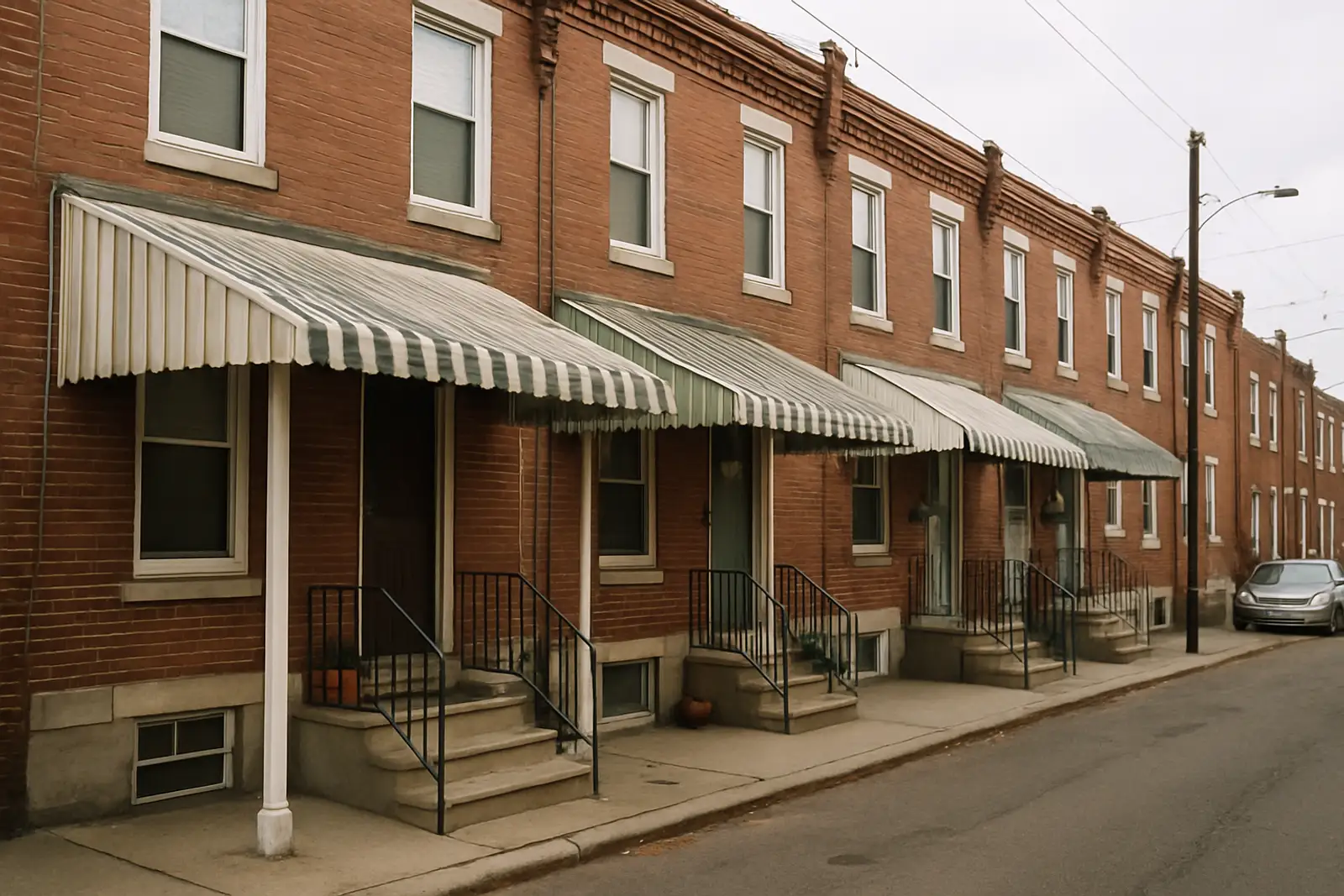
Houses and pipes in Philadelphia
South Philly, Fishtown, Kensington, Port Richmond and Point Breeze are dominated by two-story brick rowhomes from the 1880s through the 1920s, with basements and clay or cast iron laterals.
West Philadelphia, Germantown, Mount Airy and Fairmount have twins, Victorians and larger rowhomes from the 1870s through the 1920s, many on tree-lined blocks.
The Northeast, Roxborough and parts of Southwest Philly filled in from the 1920s through the 1960s with porch-front and garage-front rowhomes and twins.
Center City, Society Hill and Old City have townhouses from the 1700s and 1800s, along with converted industrial buildings and new construction.
About sixty percent of the city has combined sewers, and the Philadelphia Water Department's Green City, Clean Waters program uses green infrastructure to reduce overflows.
Who handles what in Philadelphia
The Philadelphia Water Department operates the city's sewers and treatment plants. In Philadelphia, the homeowner owns the house lateral from the building out to the main, including the portion under the street, and repairs there are the owner's cost.
Drain problems Philadelphia homes see most
| Problem | Why it happens here |
|---|---|
| Basement flooding in storms | Combined sewer neighborhoods |
| Broken laterals under the street | Century-old rowhome blocks |
| Roots in clay pipe | West Philly, Germantown and Mount Airy |
| House trap clogs | Rowhomes with basement traps |
| Grease buildup | Rowhome kitchens and corner restaurants |
| Cast iron corrosion | Pre-war rowhomes |
Philadelphia drains through the year
Summer thunderstorms and the remnants of tropical storms overload the combined sewers and send water into rowhome basements, and roots grow fastest from May through August.
Winter cold snaps freeze pipes in unheated basements, rear kitchens and exterior walls of older rowhomes.
What drain cleaning costs in Philadelphia
| Job | Typical range |
|---|---|
| Sink, tub or toilet cleared | $150–$310 |
| Main line or house trap cleared | $225–$495 |
| Root cutting | $290–$655 |
| Hydro jetting | $385–$905 |
| Sewer camera inspection | $155–$310 |
| Backwater valve installation | $950–$2,900 |
Rowhomes with an open, uncluttered basement trap are the quickest jobs. Laterals that break under the street, deep root intrusion and tight rowhome basements take longer.
Before the plumber arrives
- 1
Hold the water
No flushing, no laundry and no showers until the line is checked.
- 2
Storm flooding?
If several houses on the block have water during a downpour, report it to the Water Department.
- 3
Find the house trap
Most rowhomes have a U-shaped trap with two caps near the front basement wall.
- 4
Don't uncap it
A trap full of backed-up water will spill everywhere when opened.
The rowhome
Philadelphia built rowhomes by the hundreds of thousands, block after block of narrow brick houses sharing walls with their neighbors. Most have a basement, a front room, a middle room and a kitchen at the back, with a cast iron stack running down to the basement and a lateral running out the front wall, under the sidewalk and into the street to the main. In many homes, a house trap sits near the front basement wall. When the lateral or trap clogs, water from upstairs comes up through the basement floor drain or laundry tub.
Laterals under the street
In Philadelphia, homeowners own their lateral all the way to the main, often in the middle of the street. When a century-old clay or cast iron lateral collapses under the street, repair can mean a street opening, permits and a significant bill. Trenchless lining can sometimes avoid that. PWD has offered help through programs like the HELP loan for eligible homeowners, so it's worth asking.
Combined sewers and Green City, Clean Waters
Most of older Philadelphia is served by combined sewers that carry rain and wastewater together. During heavy storms, they overflow into the Schuylkill and Delaware rivers and can push water into basements. The city's Green City, Clean Waters program has built rain gardens, tree trenches and other green infrastructure to absorb rain before it reaches the sewers. For homeowners, a backwater valve is the best protection.
South Philly
South Philly's endless blocks of brick rowhomes, from Passyunk to Pennsport, were built for Italian, Irish, Jewish and later Vietnamese, Mexican and Cambodian families. Laterals are typically clay or cast iron and well over a century old. Grease from home cooking and wipes are common culprits, along with cracked pipe.
West Philly and Germantown
West Philadelphia's twins and Victorians near Penn and Drexel, and Germantown's and Mount Airy's stone homes, sit on tree-lined streets. Big trees mean roots in clay laterals are the leading cause of backups. Student houses near the universities add heavy use.
A typical Philadelphia call
After an August thunderstorm, a family in a 1920s rowhome in Point Breeze finds water around the basement floor drain. The plumber opens the house trap and pulls out grease and wipes, then cables toward the street and hits a blockage about twenty-five feet out. The camera shows the clay lateral has cracked and partially collapsed under the sidewalk. The family asks PWD about repair assistance and gets a bid for lining.
Fishtown and Kensington
Fishtown and Kensington, once home to textile mills and shipyards, have seen huge redevelopment. New construction sits next to century-old rowhomes, and new homes sometimes tie into old laterals or old mains. Problems often appear where new pipe meets old.
The Northeast
Northeast Philadelphia filled in from the 1920s through the 1960s with porch-front and garage-front rowhomes and twins. Laterals there are clay or cast iron, now aging, and many homes have finished basements, making flood protection important.
Cheesesteaks and corner restaurants
From the cheesesteak spots in South Philly to the corner delis, pizza shops and restaurants on every commercial strip, Philadelphia's kitchens put a lot of grease into the sewers. Many operate in old rowhome buildings with old laterals. Grease interceptors and regular jetting keep them open.
Winter in a rowhome
Rowhomes share walls, which helps keep them warm, but rear kitchens, back porches and unheated basements can still freeze in a hard cold snap. Pipes along the back wall are usually the first to go. Keep the basement heated and let a faucet drip on the coldest nights.
When you call
Share your neighborhood and roughly when the house was built, whether it's a rowhome, twin or single, and whether there's a house trap. Mention whether it rained hard, whether neighbors have water too and whether street trees grow near the lateral.
Philadelphia ZIP codes
- 19102
- 19103
- 19104
- 19106
- 19107
- 19108
- 19109
- 19111
- 19112
- 19113
- 19114
- 19115
- 19116
- 19118
- 19119
- 19120
- 19121
- 19122
- 19123
- 19124
- 19125
- 19126
- 19127
- 19128
- 19129
- 19130
- 19131
- 19132
- 19133
- 19134
- 19135
- 19136
- 19137
- 19138
- 19139
- 19140
- 19141
- 19142
- 19143
- 19144
- 19145
- 19146
- 19147
- 19148
- 19149
- 19150
- 19151
- 19152
- 19153
- 19154
Philadelphia drain questions
Who owns my sewer line in Philadelphia?+
The homeowner owns the lateral from the house to the main, including the part under the street. PWD maintains the public main.
Does the Water Department help with lateral repairs?+
PWD has offered programs such as HELP loans and the Basement Protection Program for some homeowners, which can help pay for repairs or backwater valves. Check current eligibility with PWD.
What is a house trap?+
A U-shaped fitting in the basement that blocks sewer gas. Debris collects there, and clearing it fixes many rowhome backups.
Should I scope the sewer before buying a rowhome?+
Yes. A broken lateral under the street can be one of the most expensive repairs a Philadelphia homeowner faces.