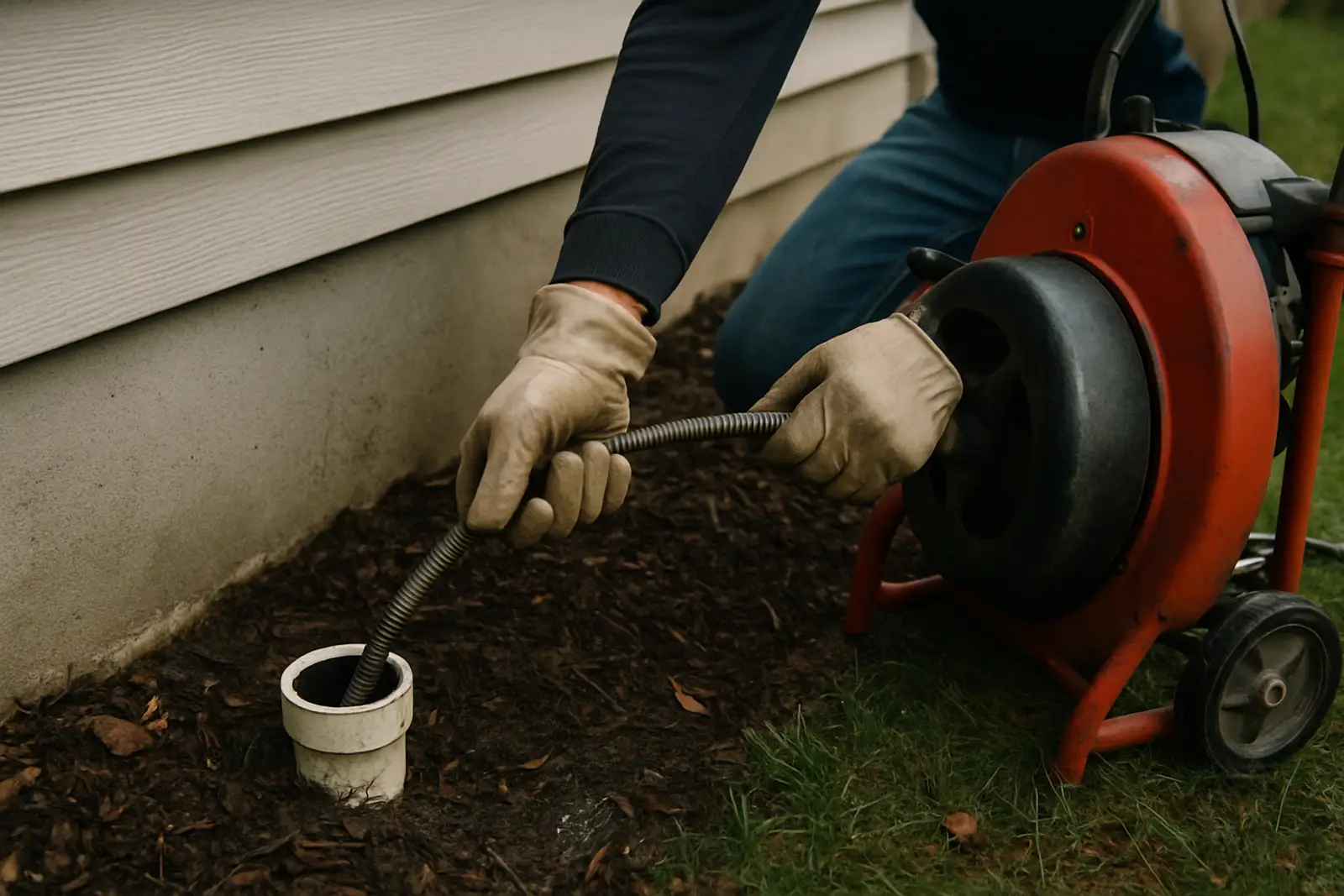
Houses and pipes in Seattle
Ballard, Fremont, Wallingford, Queen Anne, Capitol Hill, Beacon Hill and Columbia City are full of Craftsman bungalows, foursquares and box houses built from about 1900 to 1930, most with basements and clay or concrete side sewers.
Neighborhoods like Wedgwood, View Ridge, Lake City, West Seattle's Arbor Heights and parts of Northgate were built in the 1940s through the 1960s with ranches and daylight basements, often with clay or concrete side sewers.
Townhomes and backyard cottages have filled in lots all over the city since the 2000s, many with new PVC lines tied into old side sewers or shared lines.
Seattle is built on steep glacial hills, and many side sewers run long distances down slopes or under the street to reach the main.
The city's famously long rainy season soaks the soil from October through April, and older parts of town still have combined sewers that carry storm water and sewage together.
Who handles what in Seattle
Seattle Public Utilities runs the public sewer mains, and King County treats the wastewater. Under city rules, the property owner owns and maintains the entire side sewer, including the section under the street out to the main.
Drain problems Seattle homes see most
| Problem | Why it happens here |
|---|---|
| Roots in clay side sewers | Craftsman neighborhoods with big street trees |
| Cracked or broken side sewers | Century-old clay and concrete |
| Basement backups | Daylight basements and older homes |
| Shared side sewers | Older lots and new townhome infill |
| Grease and wipes | Apartments and busy kitchens |
| Storm surges | Combined sewer areas |
Seattle drains through the year
The rainy season from October through April saturates the ground and can push water into cracked side sewers and overload older combined sewers, while roots grow most actively in spring and summer.
Seattle's occasional winter freeze, often with snow, can freeze drains in garages, crawlspaces and exterior walls in homes not built for the cold.
What drain cleaning costs in Seattle
| Job | Typical range |
|---|---|
| Sink, tub or toilet cleared | $165–$335 |
| Side sewer cleared from a cleanout | $245–$530 |
| Root cutting | $320–$700 |
| Hydro jetting | $420–$960 |
| Side sewer camera inspection | $175–$340 |
| Cleanout installation | $750–$2,200 |
Newer PVC lines clear quickly. Old clay side sewers on steep lots, shared lines and access through a basement wall take longer.
Before the plumber arrives
- 1
Stop water use
Hold off on laundry, showers and dishes.
- 2
Check the basement
Water at the basement floor drain or laundry sink points to the side sewer.
- 3
Shared line?
If neighbors on a shared side sewer also have trouble, let them know.
- 4
Find the cleanout
Look near the foundation outside, in the basement or in a small box near the sidewalk.
Craftsman neighborhoods
Seattle's early 1900s boom left the city with tens of thousands of Craftsman bungalows and foursquares in neighborhoods like Ballard, Wallingford, Ravenna, Greenwood, Queen Anne and Beacon Hill. Most have basements, and their side sewers are clay tile or early concrete pipe laid more than a century ago. Street trees along the planting strips, often maples, sweetgums and big London planes, have had a hundred years to send roots into the joints. Cracks, offsets and root masses are common findings when the camera goes in.
Because Seattle homeowners own the side sewer all the way to the main, including under the street, a full replacement can be expensive. Lining or pipe bursting can renew the line without digging up the street or the yard.
Hills and long side sewers
Seattle's steep glacial hills mean many side sewers are long and sloped. A house high on a Queen Anne or Capitol Hill lot may have a side sewer that runs a hundred feet or more down to a main in the street or an alley. Long lines give roots more joints to enter, and steep sections can let water run ahead of solids. Jetting is often the best way to clean these lines thoroughly.
Shared side sewers
Some older Seattle lots were built with a single side sewer serving two or more houses, especially where lots were split or homes were built close together. When a shared line clogs, it affects everyone on it, and figuring out who pays for what can be complicated. Knowing whether your side sewer is shared, and having a written agreement with your neighbors, makes repairs much easier.
Rain and combined sewers
Seattle's long rainy season soaks the ground, and cracked side sewers let groundwater in. In older parts of the city, combined sewers carry both storm water and sewage, and heavy rain can overload them. Water then looks for the lowest exit, often a basement floor drain. A backwater valve and keeping downspouts disconnected from the sewer can help protect a basement.
A typical Seattle call
On a wet November evening, a family in a 1918 Craftsman in Wallingford notices the basement floor drain gurgling and then overflowing while the washer runs. The plumber opens the cleanout outside near the foundation and clears a heavy root mass about fifty feet out, near the sidewalk. The camera shows cracked clay and an offset joint under the planting strip. The family books lining and applies for a side sewer permit.
Infill and new construction
Seattle has added thousands of townhomes, backyard cottages and small apartment buildings on lots that once held a single house. New units are often tied into existing side sewers, or the old line is replaced with new PVC. Problems can arise at the connection between old and new pipe. A camera inspection after construction catches issues early.
Restaurants and apartments
Neighborhoods like Capitol Hill, Ballard, Fremont, the International District and South Lake Union are packed with restaurants and apartment buildings. Grease from commercial kitchens and many households can build up in shared lines. Restaurants need grease interceptors pumped on schedule and lines jetted regularly.
Winter freezes
Seattle rarely gets hard freezes, but when arctic air and snow arrive, homes not built for the cold can have trouble. Drains and pipes in garages, crawlspaces and exterior walls freeze first. Wrap exposed pipes, close garage doors and let faucets drip during a freeze.
Buying in Seattle
Side sewer inspections are standard in Seattle home sales, and for good reason. Watch the full video for roots, cracks, offsets and sags, and ask whether the line is shared. Because the buyer inherits the section under the street too, a written bid for any repair belongs in the offer negotiation.
What to tell a Seattle plumber
Give your neighborhood and the home's age, whether there's a basement or daylight basement and whether your side sewer is shared. Mention big street trees, steep slopes and whether the trouble started during heavy rain.
Seattle ZIP codes
- 98101
- 98102
- 98103
- 98104
- 98105
- 98106
- 98107
- 98108
- 98109
- 98112
- 98115
- 98116
- 98117
- 98118
- 98119
- 98121
- 98122
- 98125
- 98126
- 98133
- 98134
- 98136
- 98144
- 98146
- 98148
- 98154
- 98155
- 98158
- 98164
- 98166
- 98168
- 98174
- 98177
- 98178
- 98188
- 98195
- 98198
- 98199
Seattle drain questions
Who owns the side sewer in Seattle?+
The property owner owns the entire side sewer, from the house to the public main, including the part under the street.
What's a shared side sewer?+
Some older Seattle homes share a single side sewer with a neighbor. Both owners are responsible for the shared section, so it helps to know whether your line is shared before a problem arises.
Do I need a permit to repair a side sewer?+
Yes. Seattle requires permits for side sewer repair or replacement, and work in the street needs additional approvals.
Should I scope the side sewer before buying in Seattle?+
Absolutely. Side sewer inspections are standard in Seattle home sales and can reveal costly problems.