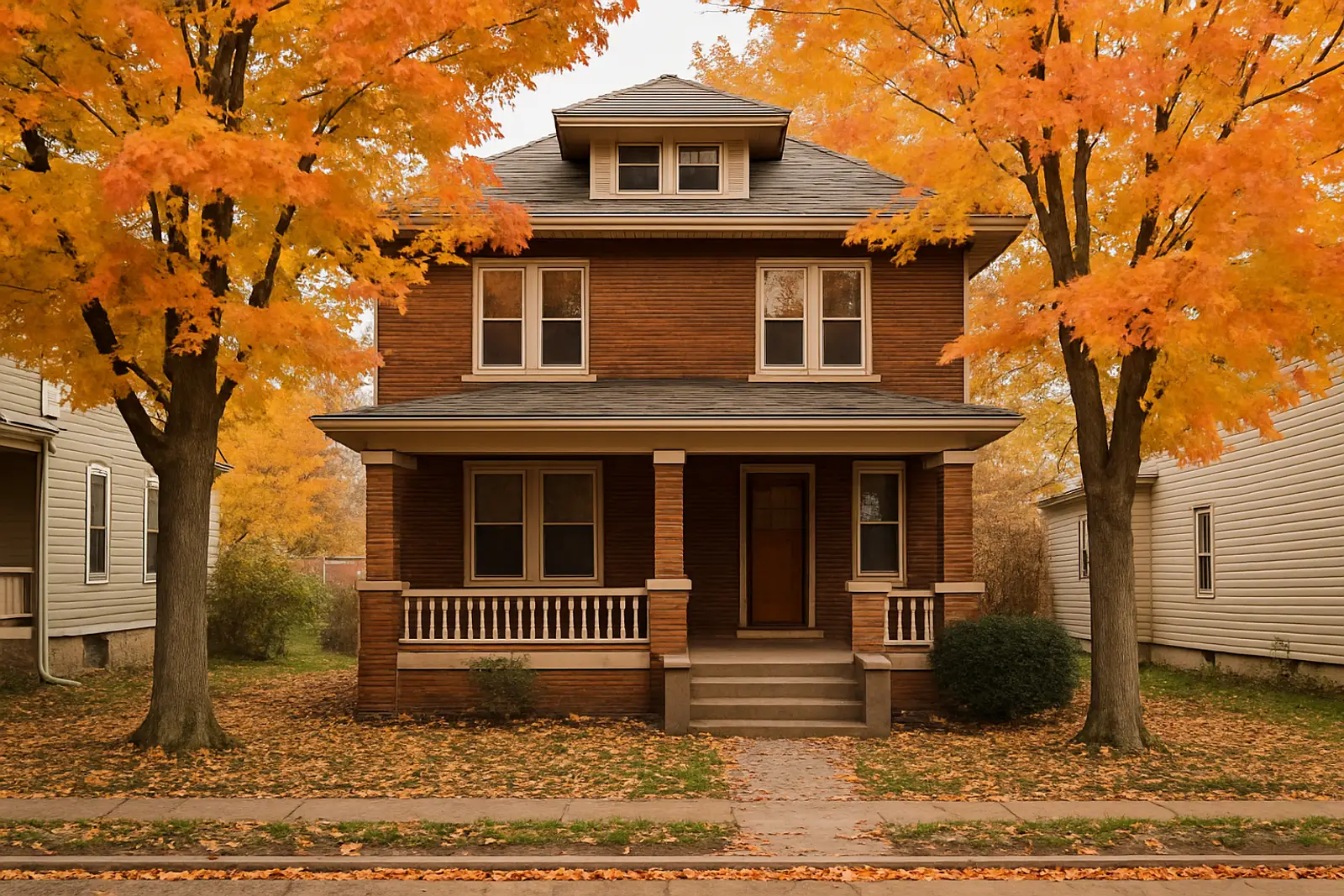
Houses and pipes in Columbus
German Village, Victorian Village, Italian Village, Olde Towne East and the Short North have homes from the 1840s through the 1910s, many brick, with basements and clay or cast iron laterals.
Clintonville, the University District, Old North Columbus and Bexley were built mostly from the 1900s through the 1940s with foursquares, bungalows and Tudors over basements.
Postwar neighborhoods like Linden, Northland, Whitehall's edges and the West Side were built from the 1940s through the 1960s with ranches and Cape Cods.
Outer neighborhoods and suburbs, from Dublin and Westerville to Hilliard and Grove City, have grown since the 1970s with PVC drains and sump pumps.
Parts of the older city have combined sewers, and Columbus has spent many years on its Blueprint Columbus program to reduce sewer overflows and basement backups.
Who handles what in Columbus
The City of Columbus Division of Sewerage and Drainage runs the sewer system and treatment plants. In Columbus, the property owner owns the sanitary lateral from the building to the connection at the public sewer.
Drain problems Columbus homes see most
| Problem | Why it happens here |
|---|---|
| Roots in clay pipe | German Village, Clintonville and the University District |
| Basement backups | Older homes with floor drains |
| Heavy use in rentals | Ohio State campus neighborhoods |
| Cast iron scale | Pre-war and postwar homes |
| Storm surcharges | Combined and overloaded sewer areas |
| Frozen lines | Ohio winters |
Columbus drains through the year
Spring rain and summer thunderstorms are the busiest time for basement backups, and roots grow fastest from May through August. Ohio State move-in in August brings a wave of rental calls.
Winter cold snaps freeze drains in garages, enclosed porches and exterior walls.
What drain cleaning costs in Columbus
| Job | Typical range |
|---|---|
| Sink, tub or toilet cleared | $135–$280 |
| Main line cleared from a cleanout | $205–$455 |
| Root cutting | $265–$605 |
| Hydro jetting | $350–$835 |
| Sewer scope inspection | $140–$285 |
| Backwater valve installation | $900–$2,750 |
Newer suburban lines clear quickly. Century-old clay in German Village, crowded campus rentals and tight brick basements take longer.
Before the plumber arrives
- 1
Stop the water
Everyone should hold off on laundry, showers and dishes.
- 2
Check the basement
Water rising at the basement floor drain points to the main line.
- 3
Campus rental?
Call your landlord or property manager first.
- 4
Find the cleanout
Look low on the front basement wall where the line exits.
German Village
German Village, just south of downtown, was built by German immigrants in the mid 1800s, and its brick cottages, brick streets and wrought iron fences make it one of the best-known historic neighborhoods in the Midwest. Its homes have small basements or cellars, and their laterals are often clay tile or cast iron well over a century old. Roots from the trees in tiny gardens and along the brick sidewalks have found many joints. Because the neighborhood is a protected historic district, lining is often the preferred repair.
Victorian Village and the Short North
Victorian Village and the Short North, north of downtown along High Street, have rows of brick and frame Victorians, many converted to apartments or restored as single-family homes. With so much new construction and restaurants along High Street, the old sewer lines under these homes see heavy use. Roots, corroded cast iron and cracked clay are common findings.
Ohio State and the University District
The University District, east of Ohio State's campus, is packed with older homes rented to students, often with five or six tenants per house. Every August, tens of thousands of students move in, and the old clay laterals under those houses get hammered. Hair, grease, wipes and the occasional foreign object cause most backups. Landlords who jet each main before move-in avoid a lot of September emergency calls.
Clintonville
Clintonville, north of campus along High Street, has 1910s through 1940s homes on hilly, wooded streets near the Olentangy River and its ravines. Big trees and clay laterals mean root clogs are common. Some homes sit on steep lots, and their laterals drop sharply to the street. Clintonville was also one of the areas where the city focused Blueprint Columbus work to reduce basement backups.
Blueprint Columbus
Rather than relying only on giant tunnels, Columbus chose to reduce sewer overflows and basement backups by keeping rain out of the sanitary sewer. Through Blueprint Columbus, the city has lined private laterals, installed sump pumps to replace footing drains connected to the sewer and built rain gardens and other green infrastructure in older neighborhoods. If your home was part of the program, keep the sump pump in good shape.
A typical Columbus call
On a hot June evening after a thunderstorm, a family in a 1925 foursquare in Clintonville finds water rising from the basement floor drain. The plumber opens the front-wall cleanout and cuts out a mass of roots about forty feet out, near a big oak in the tree lawn. The camera shows a cracked clay joint. The family gets a quote for a liner and checks whether their street is part of the city's lateral lining work.
Postwar neighborhoods
Linden, Northland, the West Side and neighborhoods near Eastland were built in the 1940s through the 1960s with ranches, Cape Cods and small brick homes. Cast iron under the basement floor and clay laterals are typical, and both are now old enough to cause trouble. Heavy scale and roots are the most common findings.
Restaurants on High Street
High Street through the Short North, the University District and Clintonville is lined with restaurants and bars, and German Village and the Arena District add many more. Restaurants in older buildings with old lines need grease traps pumped regularly and lines jetted on schedule, especially before Ohio State football weekends.
Ohio winters
Columbus winters bring stretches of hard cold, and drains in garages, enclosed back porches and exterior walls freeze first. Wrap exposed pipe, keep garage doors closed and let a faucet drip when temperatures fall into single digits. Thaw frozen lines gently with warm air.
Suburban homes
In the suburbs and the newer parts of the city, homes have PVC drains, sump pumps and finished basements, sometimes with ejector pumps for basement bathrooms. Suburban calls tend to be kitchen grease, flushed wipes or a sump or ejector pump that quit.
Calling a Columbus plumber
Give your neighborhood and the home's age, whether it's a rental, and whether there's a front-wall cleanout. Mention whether the backup happened during rain, whether big trees grow near the lateral and whether you have a sump pump or backwater valve.
Columbus ZIP codes
- 43002
- 43004
- 43035
- 43085
- 43109
- 43110
- 43119
- 43137
- 43201
- 43202
- 43203
- 43204
- 43205
- 43206
- 43207
- 43209
- 43210
- 43211
- 43212
- 43213
- 43214
- 43215
- 43217
- 43218
- 43219
- 43220
- 43221
- 43222
- 43223
- 43224
- 43227
- 43228
- 43229
- 43230
- 43231
- 43232
- 43235
- 43240
Columbus drain questions
Who handles sewer in Columbus?+
The Division of Sewerage and Drainage. The lateral from your house to the public sewer is yours.
What is Blueprint Columbus?+
It's the city's long-term plan to reduce sewer overflows and basement backups, including lateral lining, sump pumps and green infrastructure in older neighborhoods.
Why do campus-area houses clog so much?+
Old houses with several students push far more hair, grease and wipes through clay laterals than they were built for.
Should I scope the sewer before buying in Columbus?+
Yes, especially in neighborhoods built before 1960.