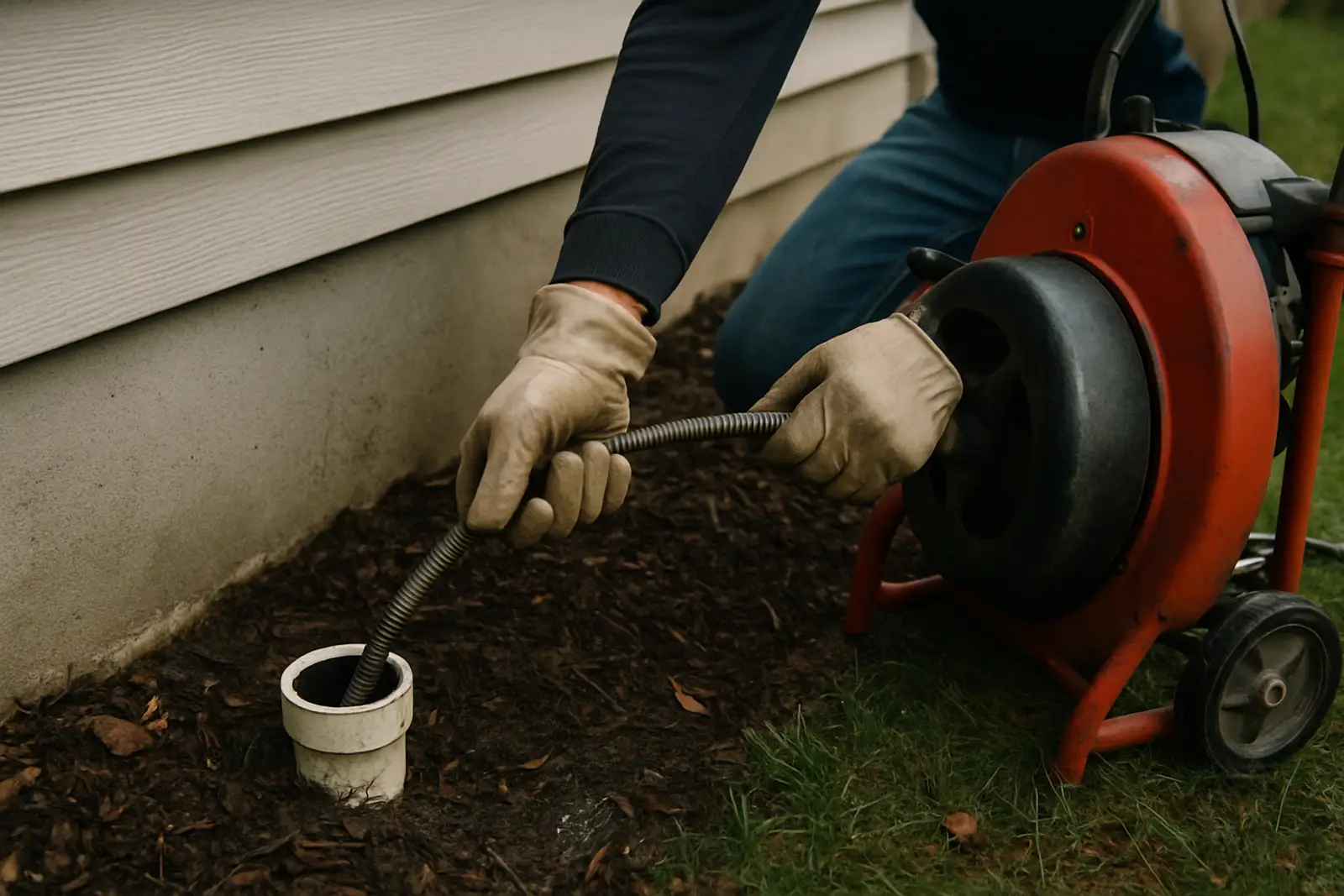
Houses and pipes in Indianapolis
Herron-Morton, Old Northside, Lockerbie Square, Fletcher Place and Fountain Square have homes from the 1860s through the 1910s with basements or crawlspaces and clay laterals.
Irvington, Broad Ripple, Meridian-Kessler, Butler-Tarkington and the near east and west sides were built from the 1900s through the 1940s with bungalows, foursquares and Tudors.
Postwar neighborhoods across Marion County, from Lawrence to Wayne and Perry townships, were built from the 1950s through the 1970s with ranches on slabs, crawlspaces or basements.
Newer subdivisions on the county's edges and in suburbs like Fishers, Carmel and Greenwood have PVC drains.
The older core is served by combined sewers, and Citizens Energy Group's DigIndy tunnel system, bored deep in bedrock, captures overflows that once went into the White River and Fall Creek.
Who handles what in Indianapolis
Citizens Energy Group operates the Indianapolis wastewater system, including the DigIndy tunnels and the Belmont and Southport treatment plants. Indianapolis property owners maintain their private lateral up to the public sewer.
Drain problems Indianapolis homes see most
| Problem | Why it happens here |
|---|---|
| Roots in clay laterals | Meridian-Kessler, Irvington and Broad Ripple |
| Basement and crawlspace backups | Older homes in combined sewer areas |
| Cast iron corrosion | Pre-war and postwar homes |
| Grease and wipes | Busy households and rentals |
| Sagging laterals | Clay soils |
| Frozen lines | Midwest winters |
Indianapolis drains through the year
Spring rain and summer thunderstorms are the busiest time for backups in the older city, and roots grow fastest from May through August.
January cold snaps freeze drains in garages, crawlspaces and exterior walls.
What drain cleaning costs in Indianapolis
| Job | Typical range |
|---|---|
| Sink, tub or toilet cleared | $130–$275 |
| Main line cleared from a cleanout | $200–$445 |
| Root cutting | $260–$595 |
| Hydro jetting | $340–$815 |
| Sewer scope inspection | $135–$280 |
| Backwater valve installation | $850–$2,650 |
Suburban PVC clears in short order. Century-old clay under big trees, crawlspace access and homes with no cleanout take longer.
Before the plumber arrives
- 1
Pause water use
Hold off on everything that drains, starting with the washing machine.
- 2
Basement or crawlspace?
In a basement, watch the floor drain; in a crawlspace home, the tub or lowest toilet usually fills first.
- 3
Storm happening?
If neighbors also have water during heavy rain, the public sewer may be surcharged.
- 4
Find the cleanout
Often outside near the foundation on newer homes, or in the basement on older ones.
The old north side
Herron-Morton Place, the Old Northside and Fall Creek Place grew in the late 1800s as the city's well-to-do moved north from downtown. Victorian and Italianate homes sit on tree-lined streets, many restored after decades of decline. Their clay laterals often date to the original construction, and roots, cracks and settling are common.
Meridian-Kessler and Butler-Tarkington
Meridian-Kessler and Butler-Tarkington, on the north side, have bungalows, foursquares, Tudors and large homes along Meridian Street, built from the 1910s through the 1930s. The trees there are enormous, and clay laterals under them are the leading cause of backups. Many homes have finished basements, so a backwater valve is a smart addition.
Irvington and the east side
Irvington, an old streetcar suburb on the east side, has Victorian and Craftsman homes on curving, wooded streets. Clay laterals and big trees mean roots. The near east side, around Woodruff Place and Holy Cross, has similar older homes.
Fountain Square and Fletcher Place
Fountain Square and Fletcher Place, just southeast of downtown, have cottages and shotgun-style homes built for German and Irish workers. Both neighborhoods have been revived with restaurants and new residents, and new construction tied into old lines can cause trouble where pipes meet.
DigIndy and combined sewers
For decades, a quarter inch of rain could send raw sewage into the White River and Fall Creek through combined sewer overflows. Citizens Energy Group's DigIndy project bored about 28 miles of tunnels more than 200 feet down through bedrock to store overflow until the treatment plants can handle it. Overflows have dropped dramatically. Local sewers can still surcharge in big storms, so backwater valves remain useful in older neighborhoods.
A typical Indianapolis call
After a June storm, a family in a 1925 bungalow in Meridian-Kessler finds water spreading from the basement floor drain. The plumber opens the cleanout and cuts roots from a big sycamore about forty feet out. The footage shows the clay has cracked at several joints. The family prices a liner and a backwater valve together.
Postwar ranches
Much of Marion County outside the old city was built in the 1950s through the 1970s with ranch homes, many on slabs or crawlspaces. Cast iron under slabs and clay laterals from that era are now aging, with scale and roots the most common findings. Crawlspace drains can leak unnoticed until there's a smell.
Broad Ripple
Broad Ripple, a lively village on the north side along the canal and the White River, has bungalows and cottages on small lots, many rented to young professionals and students from Butler. Heavy use and old clay laterals mean frequent clogs.
Race month and restaurants
Mass Ave, Fountain Square, Broad Ripple and downtown restaurants fill up during Colts games, conventions and the month of May leading up to the Indy 500. Kitchens in older buildings run interceptors on short pumping cycles to keep up with the crowds.
Clay soil and sags
Central Indiana's clay soils hold water and shift with wet and dry seasons. Over decades, laterals can settle into bellies where waste collects. A line that clears fine but clogs again within months often has a sag that a camera will show.
Winter
Indianapolis winters bring cold snaps that can drop below zero. Garage utility sinks, crawlspace drains and laundry lines along exterior walls are the first to freeze. Close crawlspace vents in winter, wrap pipe in the garage and let a faucet drip during deep cold.
Useful details for the plumber
Say which neighborhood or township you're in, roughly when the house was built, and whether it has a basement, crawlspace or slab. Mention whether it rained hard first, whether neighbors also have water and whether big trees grow near the lateral.
Indianapolis ZIP codes
- 46201
- 46202
- 46203
- 46204
- 46205
- 46206
- 46208
- 46214
- 46216
- 46217
- 46218
- 46219
- 46220
- 46221
- 46222
- 46224
- 46225
- 46226
- 46227
- 46228
- 46229
- 46231
- 46234
- 46235
- 46236
- 46237
- 46239
- 46240
- 46241
- 46250
- 46254
- 46256
- 46259
- 46260
- 46268
- 46278
- 46280
- 46290
Indianapolis drain questions
Who handles sewer in Indianapolis?+
Citizens Energy Group operates the system. The private lateral to the public sewer is the owner's.
What is DigIndy?+
A network of deep tunnels bored through bedrock under the city that stores combined sewer overflow during storms and sends it to treatment, keeping it out of the rivers.
Why do Meridian-Kessler homes have so many root clogs?+
Their clay laterals are about a century old and run under the big oaks, maples and sycamores that line the neighborhood.
Should I scope the sewer before buying an older Indy home?+
Yes, especially inside the old city limits, where laterals are often clay and decades old.