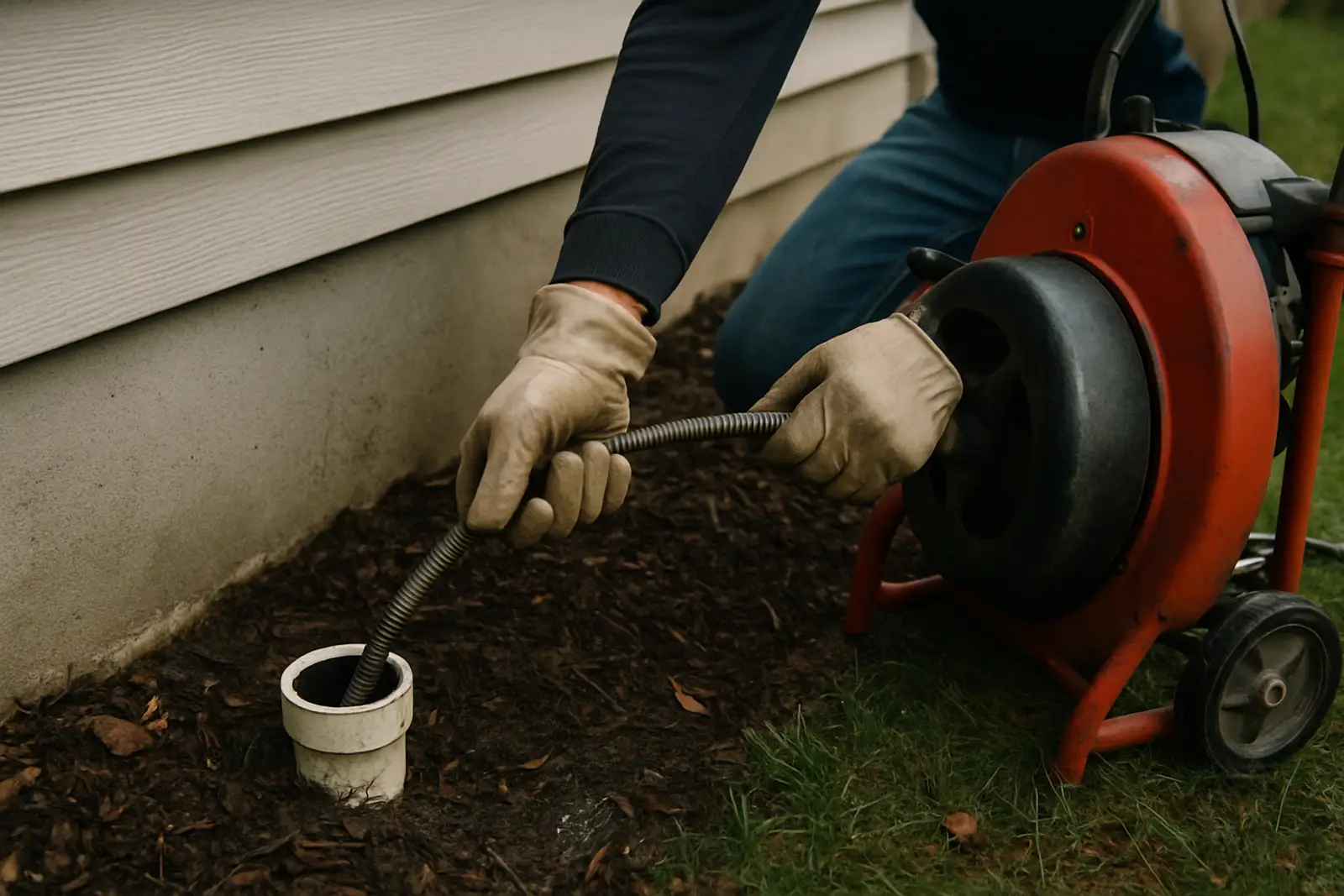
Houses and pipes in Montgomery
The Garden District, Cottage Hill and the neighborhoods near downtown have homes from the 1850s through the 1920s, many on crawlspaces with clay laterals.
Cloverdale, Old Cloverdale and Capitol Heights have bungalows and Tudors from the 1910s through the 1940s.
East Montgomery and the neighborhoods along the Atlanta Highway filled in from the 1950s through the 1980s with ranches on slabs.
Newer subdivisions in east Montgomery and Pike Road have grown since the 1990s.
Montgomery sits on sandy and clay soils along the Alabama River.
Who handles what in Montgomery
The Montgomery Water Works and Sanitary Sewer Board runs the city's sewer system. Montgomery homeowners are responsible for the private lateral from the house to the public sewer.
Drain problems Montgomery homes see most
| Problem | Why it happens here |
|---|---|
| Roots in clay laterals | Cloverdale, Garden District and Capitol Heights |
| Crawlspace drain leaks | Older homes on piers |
| Cast iron under slabs | Midcentury east Montgomery homes |
| Clay and sand movement | Shifting soils |
| Grease and wipes | Busy households |
| Storm infiltration | Heavy spring rain |
Montgomery drains through the year
Hot, humid summers drive roots toward water, and spring storms soak the ground.
Montgomery's short winters still produce a handful of nights in the teens, enough to freeze pipes under houses on piers.
What drain cleaning costs in Montgomery
| Job | Typical range |
|---|---|
| Sink, tub or toilet cleared | $120–$250 |
| Main line cleared from a cleanout | $180–$405 |
| Root cutting | $240–$555 |
| Hydro jetting | $310–$760 |
| Sewer camera inspection | $125–$260 |
| Cleanout installation | $600–$1,750 |
Newer east Montgomery lines go fast. Old clay under Cloverdale's trees, crawlspace work and cast iron under slabs take longer.
Before the plumber arrives
- 1
Hold off on water
Skip the washer and showers until it's cleared.
- 2
House on piers?
If you smell sewage under the floor, a drain line may be leaking.
- 3
Check the tub
In a Cloverdale bungalow, gray water in the back bathroom tub is usually the first sign.
- 4
Find the cleanout
Older homes may only have one under the house.
Cloverdale
Cloverdale and Old Cloverdale, south of downtown, are among Montgomery's most charming neighborhoods, with bungalows, Tudors and cottages on curving streets under big oaks. Many homes sit on piers with crawlspaces. Clay laterals under those trees fill with roots, and crawlspace drains can leak.
The Garden District
The Garden District and Cottage Hill have Victorian and early 1900s homes, many restored. Old laterals and crawlspace plumbing are common, and roots are the leading cause of backups.
Capitol Heights
Capitol Heights, east of downtown, has bungalows and cottages from the 1910s through the 1940s, many on piers. Clay laterals and big trees mean roots.
East Montgomery
East Montgomery filled in from the 1950s through the 1980s with brick ranches on slabs, many for families working at Maxwell and Gunter Air Force bases and in state government. Cast iron under those slabs is aging, and slow drains throughout the house are common.
A typical Montgomery call
In July, a family in a 1925 bungalow in Cloverdale notices the bathtub filling with gray water when the washer runs. The plumber goes under the house, opens the line and clears roots from a big water oak about thirty feet out. The camera shows the clay split at three joints along the run toward the street, and a liner goes on the fall schedule.
Crawlspaces
Many older Montgomery homes sit on crawlspaces, and the humid climate keeps them damp. Drain lines under the floor rust and leak, and leaks can soak the soil for months before anyone notices.
Maxwell families
Maxwell Air Force Base, home of Air University, brings many military families who rent or buy for a few years. A camera inspection when moving in helps avoid surprises.
Soils
Montgomery sits on a mix of sandy and clay soils along the Alabama River. Sand can settle around pipe, and clay can swell and shrink, both shifting laterals over time.
Restaurants and downtown
Downtown Montgomery's revived restaurants near the riverfront and the Alley, along with the busy corridors along Atlanta Highway and Vaughn Road, serve state workers and families. Kitchens there need interceptors pumped on schedule.
Spring storms
Montgomery's spring storms can drop heavy rain quickly. Saturated soil pushes water into cracked laterals, and low areas near creeks see more infiltration.
Downspouts that empty right next to the foundation of a raised house add to the water around the pipes; extending them a few feet helps.
Mild winters
Montgomery winters are mild, but a few nights each year drop into the teens. Crawlspace pipes freeze first. Close foundation vents when a freeze is forecast.
State workers and families
Montgomery's large state government workforce and busy families keep many older homes occupied. Kitchen grease and wipes cause many clogs in newer homes.
Civil rights history and old neighborhoods
Montgomery's role in the civil rights movement, from the bus boycott to the march from Selma, is written into neighborhoods like Centennial Hill and the blocks around Dexter Avenue and the Rosa Parks museum. Many homes there date from the early 1900s, with old clay laterals and crawlspace plumbing. Families who have lived in these homes for generations often have lines that were patched many times but never replaced. A camera inspection helps plan a lasting repair instead of another quick fix.
Air base housing and rentals
Neighborhoods near Maxwell and Gunter, on the west and northeast sides, have many ranch homes that have been rentals for decades, with tenants rotating every few years as airmen and officers get new assignments. Those homes often have cast iron and clay lines that have been cleared repeatedly but never repaired. A camera inspection between tenants lets owners fix a cracked or root-filled line before a new family moves in.
Pecans and magnolias
Besides live oaks, Montgomery's older yards are full of pecan trees and magnolias, both with wide, thirsty root systems. A pecan planted beside a house a century ago can send roots well across a front yard and into the sewer line. Root cutting every year or two keeps the line open, and a liner ends the cycle.
The Alabama River and low ground
Neighborhoods near the Alabama River and Catoma Creek sit on lower ground where groundwater rises after heavy rain. Cracked laterals there take in water, and drains can slow for days after a storm. Sealing cracks with a liner keeps that water out.
Helpful details
Share the neighborhood, the home's age, whether it's on piers or a slab and whether there's a cleanout. Mention big trees near the line.
Montgomery ZIP codes
- 36043
- 36101
- 36104
- 36105
- 36106
- 36107
- 36108
- 36109
- 36110
- 36111
- 36112
- 36113
- 36114
- 36115
- 36116
- 36117
Montgomery drain questions
Who handles sewer in Montgomery?+
The Montgomery Water Works and Sanitary Sewer Board. The private lateral is the homeowner's.
Why do Cloverdale homes have root clogs?+
Their clay laterals are about a century old and run under big oaks and magnolias.
Is cast iron under a slab a concern?+
For an east Montgomery ranch from the 1960s, frequently. Only a camera run under the slab shows whether the pipe is just scaled or actually cracked.
Should Montgomery buyers get a sewer scope?+
Yes, especially for homes built before 1970.