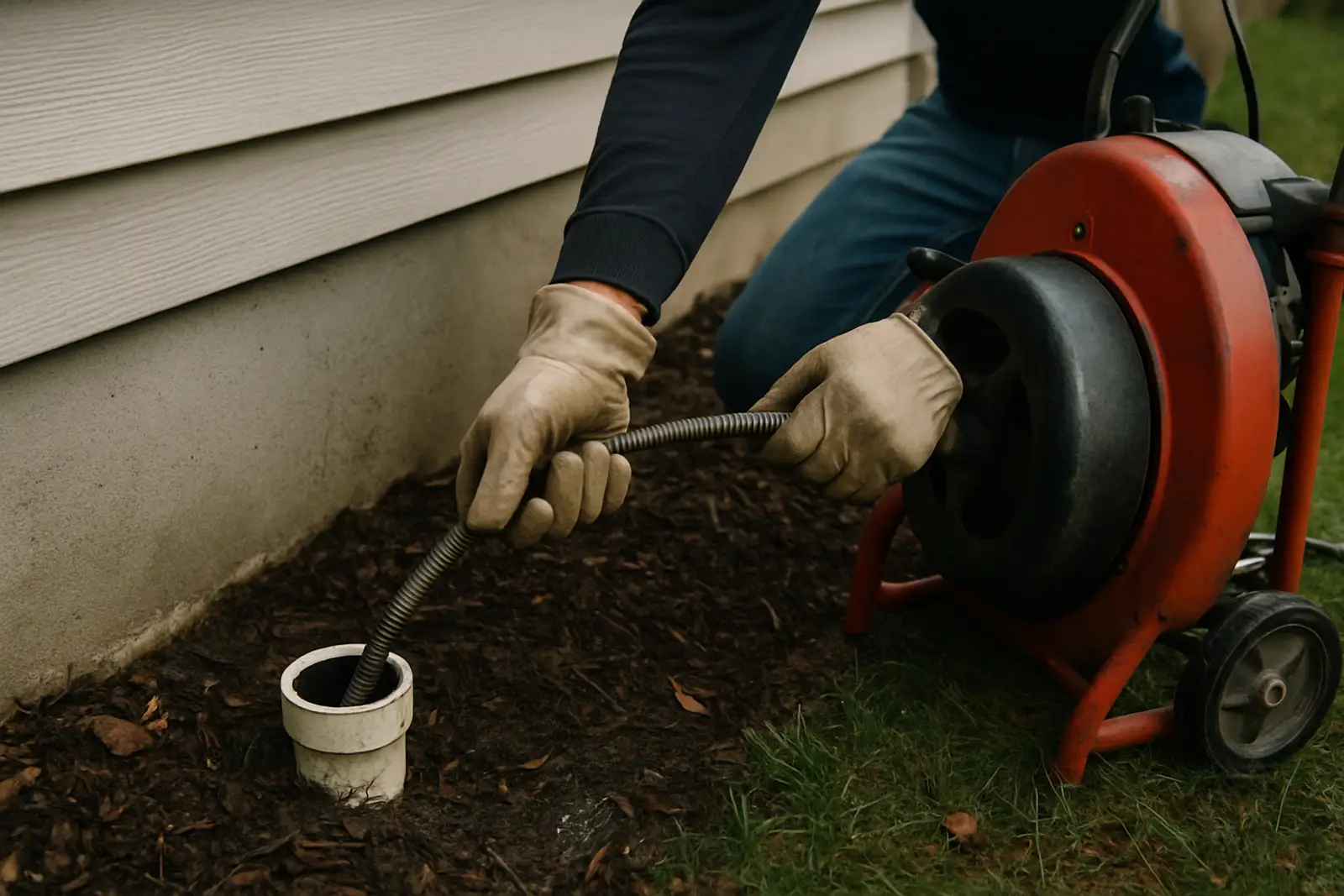
Houses and pipes in Las Cruces
The Mesquite Historic District and the Alameda-Depot neighborhood near downtown have adobe and brick homes from the 1880s through the 1940s.
Neighborhoods around New Mexico State University and the central city were built from the 1940s through the 1960s with ranches, many on slabs with cast iron or Orangeburg lines.
East Mesa, the Sonoma Ranch area and the northeast were built from the 1980s onward with PVC drains on slabs.
Some homes on the valley's edges and in the county still use septic systems.
Las Cruces has hot, dry summers, mild winters and hard water, with monsoon storms in July and August.
Who handles what in Las Cruces
Las Cruces Utilities runs the city's wastewater system and the Jacob A. Hands treatment facility. The private service line between a Las Cruces home and the public sewer belongs to the homeowner.
Drain problems Las Cruces homes see most
| Problem | Why it happens here |
|---|---|
| Roots from pecans and cottonwoods | Older valley neighborhoods |
| Cast iron and Orangeburg failures | 1950s and 1960s homes |
| Heavy use in student rentals | Near NMSU |
| Mineral scale | Hard water citywide |
| Septic problems | County and valley edges |
| Grease and wipes | Busy kitchens |
Las Cruces drains through the year
Summer heat drives roots toward water, and monsoon storms in July and August can flood arroyos and low streets.
Mild winters bring a few freezing nights that can freeze exposed pipes.
What drain cleaning costs in Las Cruces
| Job | Typical range |
|---|---|
| Sink, tub or toilet cleared | $120–$255 |
| Main line cleared from a cleanout | $180–$410 |
| Root cutting | $240–$560 |
| Hydro jetting | $315–$765 |
| Sewer camera inspection | $125–$260 |
| Septic line clearing | $190–$460 |
East Mesa PVC lines go fast. Root-packed clay near downtown, failing Orangeburg and cast iron under slabs take longer.
Before the plumber arrives
- 1
Stop the water
Hold off on laundry and showers.
- 2
Near NMSU?
If you rent, contact your landlord first.
- 3
Sewer or septic?
Some valley homes use septic; tell the plumber which you have.
- 4
Find the cleanout
Look for a capped pipe near the front of the house or in a gravel bed.
Mesilla Valley trees
The Mesilla Valley is one of the largest pecan-growing regions in the world, and pecan trees, along with cottonwoods and elms, shade many older Las Cruces yards. These trees need a lot of water in the desert, and their roots spread far. A cracked joint in a clay or cast iron lateral is an easy target. Root cutting clears the line, and lining or replacement stops the problem.
Mesquite and Alameda-Depot
The Mesquite Historic District, one of the city's oldest neighborhoods, and Alameda-Depot near the old railroad depot have adobe and brick homes from the late 1800s and early 1900s. Plumbing was added later to many of these homes, and laterals can be a mix of clay, cast iron and newer pipe.
Midcentury homes
Las Cruces grew after World War II with White Sands Missile Range and NMSU, and ranch homes on slabs spread through the central city. Many have cast iron drains under the slab, and some have Orangeburg sewer lines that are now flattening and collapsing. Slow drains throughout the house are a common symptom.
Near NMSU
New Mexico State University's campus is surrounded by older homes rented to students. Four or five Aggies sharing a 1950s ranch use far more water than the family it was built for. A jetting in July, before classes start, saves owners a lot of September headaches.
A typical Las Cruces call
In August, a family in a 1958 slab home near the university finds the bathtub filling with dirty water when the washer drains. The plumber opens the cleanout and clears roots from a big pecan about thirty feet out. The camera shows Orangeburg pipe flattened and cracked. They plan to replace it.
Monsoon storms
July and August monsoon storms drop heavy rain on hard ground, flooding arroyos and low streets. Storm water can enter the sewer system through damaged cleanouts and manholes, and low areas may see surcharges.
East Mesa and newer homes
East Mesa and the Sonoma Ranch area have grown since the 1980s with PVC drains on slabs. Most trouble there starts in the kitchen or a kids' bathroom, not underground.
Septic in the valley
Some homes in the valley and in Doña Ana County outside city limits use septic systems. In sandy valley soil near the river, drain fields can be affected by high groundwater during irrigation season. When the tank is full, every drain in the house slows at once, exactly like a blocked main.
Hard water
Las Cruces water is hard, and mineral scale builds up inside drain pipes, especially kitchen and laundry lines. Jetting removes scale and grease together.
Chile and restaurants
Las Cruces is close to Hatch, the famous chile town, and its restaurants, from Mesilla's plaza to downtown and the busy corridors along Lohman and Telshor, serve a lot of chile and fried food. Commercial kitchens stay open by keeping grease traps pumped.
Irrigation and groundwater
During irrigation season, water from the Rio Grande flows through acequias and ditches to farms and orchards, raising groundwater in the valley. Cracked laterals in low-lying neighborhoods can take in water during those months.
Homes near the main ditches may notice slower drains in summer that improve once irrigation season ends in the fall.
Mild winters
Las Cruces winters are mild, but a few nights each year drop below freezing. Exposed pipes for evaporative coolers and irrigation freeze first. Drain cooler lines before winter.
Mesilla and the old plaza
Old Mesilla, just southwest of Las Cruces, has adobe buildings around a plaza that dates to the 1850s, along with restaurants and shops that draw visitors year-round. Homes and businesses there and in the nearby valley neighborhoods sit close to the Rio Grande and its irrigation ditches. Old laterals, shallow groundwater during irrigation season and big shade trees make for frequent root and infiltration problems. Many adobe homes were built long before indoor plumbing, so their drain lines were added later and sometimes run in unexpected directions. A camera run helps map them before any repair.
White Sands and military families
White Sands Missile Range and nearby Holloman and Fort Bliss bring many military and civilian families to Las Cruces, and many rent or buy older homes for a few years. A camera inspection when moving in can catch Orangeburg or root problems before a backup happens.
Information to have ready
Share the neighborhood, the home's age, whether it's a rental and whether you're on sewer or septic. Mention big pecans or cottonwoods near the line.
Las Cruces ZIP codes
- 88005
- 88007
Las Cruces drain questions
Who handles sewer in Las Cruces?+
Las Cruces Utilities runs the public mains and treatment plant; the service line under your yard is the homeowner's.
Do pecan trees cause sewer problems?+
Yes. Pecans and cottonwoods have large, thirsty root systems that find cracked joints in older laterals.
Is my 1950s home's sewer line likely Orangeburg?+
It might be. Orangeburg was common in that era and is now often flattened or collapsing. A camera can tell.
Should I get a camera inspection before buying in Las Cruces?+
Yes, especially for homes built before 1970.