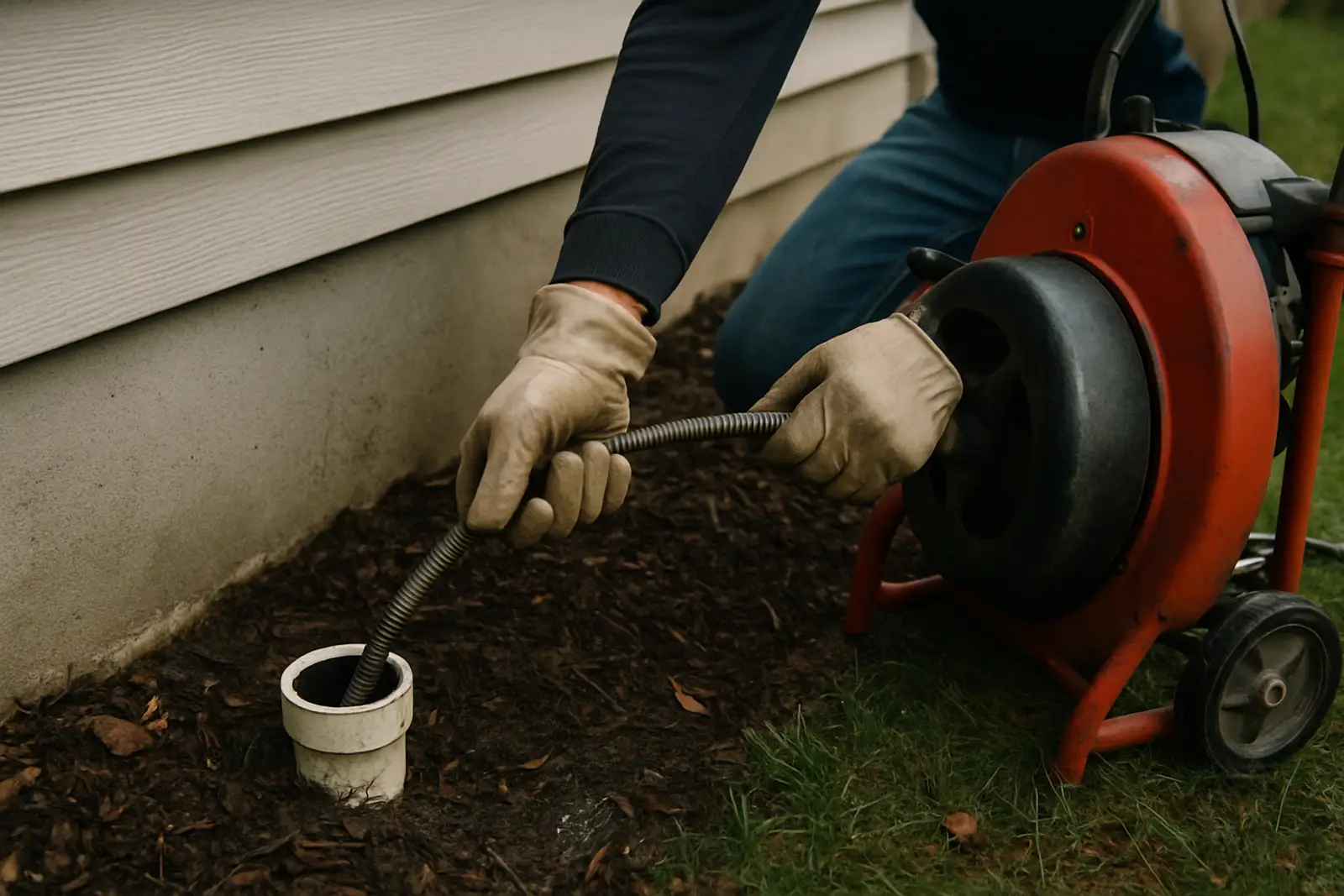
Houses and pipes in Santa Maria
The city's older core, between Broadway and the railroad and north of Main Street, has homes from the 1920s through the 1950s. Many still drain through clay laterals, and mature trees on those blocks have had decades to send roots into the joints.
Neighborhoods built in the 1960s and 1970s spread east and south, with ranch homes on clay or early plastic pipe. Newer subdivisions on the city's edges, including Orcutt to the south, date from the 1980s onward and have plastic laterals with outside cleanouts.
Agriculture brings seasonal workers, and many Santa Maria homes house large or multiple families, sometimes with garage conversions and added units. More people means more showers, laundry and cooking flowing into a lateral sized for one household.
Fog rolls in from the coast most mornings, and the valley's sandy soil drains well. Groundwater problems are rare, but sandy fill can shift around older pipe.
Water in the valley is hard, so scale builds in traps, shower drains and water heaters.
Who handles what in Santa Maria
The City of Santa Maria runs sewer collection and the treatment plant for the city. Orcutt is unincorporated and served by Laguna County Sanitation District. Owners are responsible for the lateral from the house to the main.
Drain problems Santa Maria homes see most
| Problem | Why it happens here |
|---|---|
| Roots in clay laterals | Older homes near downtown |
| Overloaded laterals | Large households and added units |
| Grease in kitchen lines | Big family meals |
| Laundry lint | Daily washing for work clothes |
| Hard water scale | Mineral-heavy valley water |
| Wipes | Busy households |
Santa Maria drains through the year
Harvest season, from spring through fall, fills homes with workers and families, and laterals carry their heaviest loads. Muddy work clothes add grit and lint to laundry drains.
Winter rain is moderate, but it swells roots in older laterals. Holidays bring grease clogs.
What drain cleaning costs in Santa Maria
| Job | Typical range |
|---|---|
| Sink, tub or toilet cleared | $125–$260 |
| Main line cleared from a cleanout | $185–$425 |
| Root cutting | $250–$560 |
| Hydro jetting | $325–$750 |
| Camera inspection | $145–$375 |
Plastic laterals on the newer edges of town clear quickly and cheaply. Older downtown laterals with roots, or homes with no cleanout, cost more.
Before the plumber arrives
- 1
Stop water use
Pause laundry and showers, and let the household know.
- 2
Check the lowest fixture
A filling tub means the main line is backed up.
- 3
Look for the cleanout
Front yard or along the side of the house.
- 4
Count the bathrooms
Tell the plumber about added units or garage conversions on the same line.
The older blocks near downtown
North of Main Street and along the streets between Broadway and Blosser Road, many homes date from before 1960. Clay laterals under old trees are common, and a camera often finds roots at several joints. Root cutting every year or two keeps them open, and lining is a longer-term fix that avoids digging up a yard.
Some of these homes have been added onto over the years, with a back unit or converted garage tied into the same lateral. If you own one, a quick camera look tells you whether the line can handle the extra load or whether it's time for a repair.
Big households
In Santa Maria, it's common for several generations or two families to share a home. That's a lot of showers, laundry loads and meals. Laterals that worked fine for a family of four may clog regularly with twelve people. Regular cleaning, a lint catcher on the washer and a grease can by the stove make a real difference.
Orcutt
Orcutt, just south of the city, is unincorporated but feels like part of Santa Maria. Old Town Orcutt has older homes and buildings, while the surrounding neighborhoods were built from the 1970s onward. Sewer service comes from Laguna County Sanitation District. Calls in Orcutt are similar to the rest of the valley, with roots in older homes and grease or wipes in newer ones.
A typical Santa Maria call
During strawberry season, a home on the east side with three families under one roof finds the main line backed up, with water coming out of the shower drain. The plumber clears the line from the front cleanout, pulling out lint, grease and wipes. The camera shows the clay lateral is intact but narrow from buildup, and the family agrees to have it jetted twice a year.
Hard water and scale
Santa Maria's water is hard, leaving scale in traps, shower drains and fixtures. Cleaning traps every few years and using hair catchers in showers helps. A water softener reduces new scale but won't remove what's already there.
Muddy boots and field gear
Field crews come home with soil on boots, gloves and clothes. Rinsing that gear in a laundry sink or shower sends fine silt into the drain, where it settles in traps and low spots. Knock off as much dirt as you can outdoors and rinse gear with a hose before it goes inside.
Guadalupe Street and the west side
West Santa Maria, toward Guadalupe and the Highway 101 corridor, has many homes from the 1960s and 1970s plus small apartment complexes. Shared lines in those complexes carry a lot of grease and lint, and owners who jet them on a schedule avoid most weekend backups.
Rentals
Many homes in Santa Maria are rentals, and drain history rarely passes from one tenant to the next. Landlords who note the cleanout location and the last service date help tenants and plumbers. Tenants should report slow drains early.
Restaurants and markets
Broadway and Main Street have many taquerias, panaderias and markets in older buildings. Grease traps need regular pumping, and kitchen lines should be jetted on a schedule. A clog during a busy lunch rush costs far more than routine service.
What to tell a Santa Maria plumber
Share your address or cross streets, roughly when the home was built and how many people live there. Mention any added units or garage conversions on the same line. Say whether you're in the city or Orcutt.
If you rent, give the landlord's name and number so the visit can be approved quickly, and say whether there's a dog or a locked gate between the street and the cleanout.
Santa Maria ZIP codes
- 93454
- 93455
- 93458
Santa Maria drain questions
Who handles sewer service in Santa Maria?+
The city runs sewer collection and treatment. Orcutt is served by Laguna County Sanitation District. Owners maintain their laterals.
Why does my main line clog so often?+
Older clay laterals with roots, or more people using one line than it was built for, are the common reasons. A camera shows which.
Can work clothes clog my laundry drain?+
Yes. Field dirt and lint build up in standpipes and laterals. Shake clothes out first and use a lint catcher on the washer hose.
Is Orcutt different?+
Orcutt has many newer homes with plastic pipe, plus some older ones. It's served by a separate sanitation district.