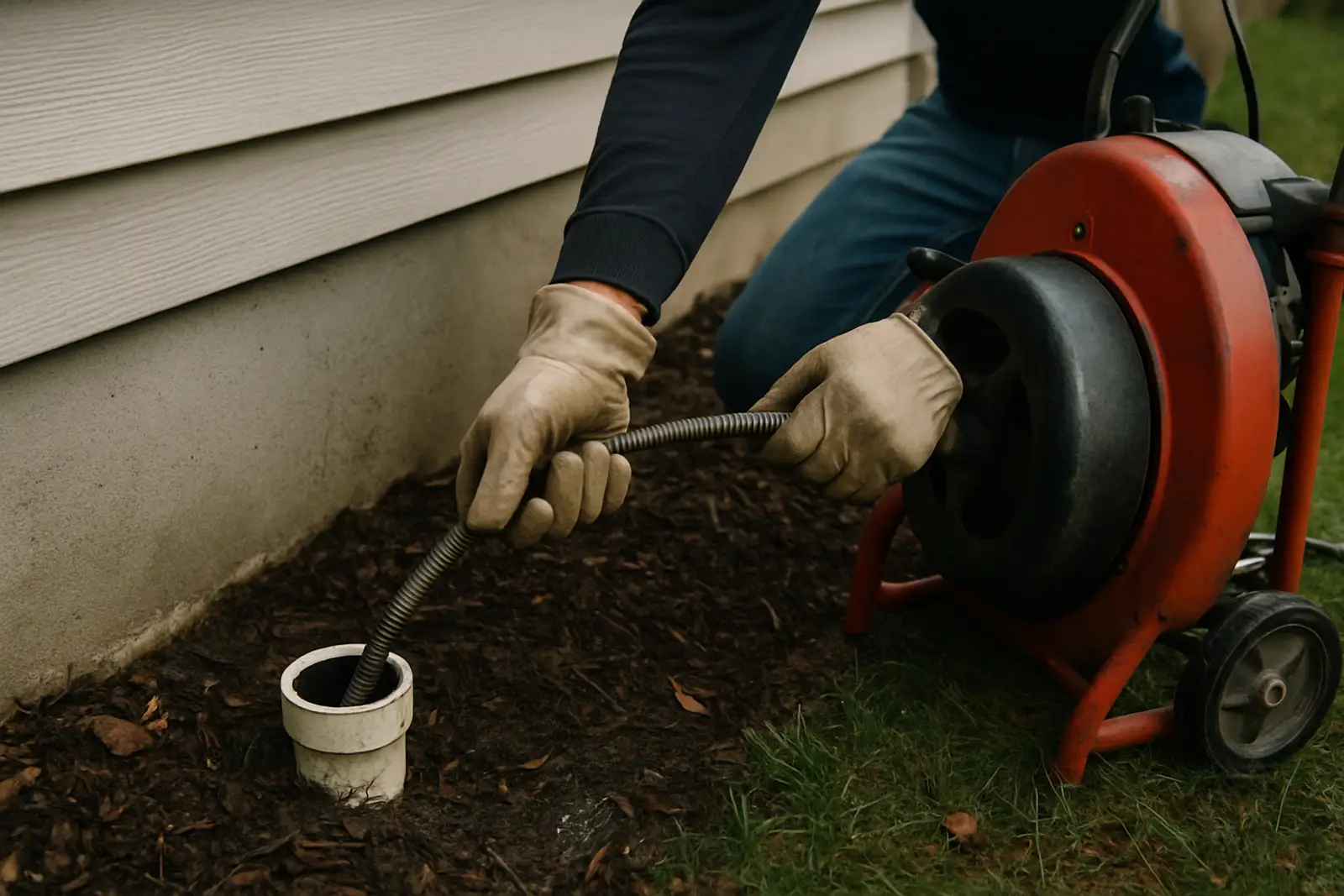
Houses and pipes in Shreveport
Highland, Fairfield, South Highlands and the neighborhoods near downtown have homes from the 1890s through the 1930s, many on piers with clay laterals.
Broadmoor, Anderson Island and the neighborhoods around Shreve Island were built from the 1920s through the 1950s.
Southeast and southwest Shreveport filled in from the 1950s through the 1980s with ranches on slabs.
Newer subdivisions toward Southern Hills and the far south side have grown since the 1980s.
Shreveport sits on red clay soils along the Red River, with hot, humid summers and heavy spring rain.
Who handles what in Shreveport
Shreveport's Department of Water and Sewerage runs the city sewer system and treatment plants. In Shreveport, the homeowner maintains the private sewer line that runs from the house to the public main.
Drain problems Shreveport homes see most
| Problem | Why it happens here |
|---|---|
| Roots in clay laterals | Highland, South Highlands and Broadmoor |
| Red clay movement | Shrinking and swelling soils |
| Cast iron under slabs | Midcentury homes |
| Crawlspace drain leaks | Older homes on piers |
| Storm infiltration | Heavy spring rain |
| Grease buildup | Busy kitchens |
Shreveport drains through the year
Spring storms soak the red clay and push water into cracked laterals, and long, hot summers drive roots toward water.
Short winters with occasional ice storms can freeze pipes under raised houses.
What drain cleaning costs in Shreveport
| Job | Typical range |
|---|---|
| Sink, tub or toilet cleared | $120–$250 |
| Main line cleared from a cleanout | $180–$405 |
| Root cutting | $240–$555 |
| Hydro jetting | $310–$760 |
| Sewer camera inspection | $125–$260 |
| Cast iron under-slab assessment | $230–$505 |
Newer south side homes go quickly. Century-old clay in Highland, cast iron under midcentury slabs and work under raised houses take longer.
Before the plumber arrives
- 1
Stop running water
Hold off on the washer, dishes and showers.
- 2
Raised house?
If you hear dripping or smell sewage under the floor, a drain line may be leaking.
- 3
Check the tub
The lowest tub or shower usually fills first.
- 4
Find the cleanout
Newer Shreveport homes have a capped pipe by the front walk; in a raised Highland bungalow, the only access may be under the house.
Highland and South Highlands
Highland and South Highlands grew during Shreveport's oil boom in the early 1900s, with Craftsman bungalows, Tudors and grand homes on tree-lined streets. Many sit on piers, with drain lines running under the house. Clay laterals under big oaks and pines fill with roots, and red clay movement cracks joints.
The oil boom
When oil was discovered at Caddo Lake in the early 1900s, Shreveport boomed, and neighborhoods spread south from downtown. Homes built then have clay laterals and cast iron that are now about a century old.
Broadmoor
Broadmoor, built from the 1920s through the 1950s, has brick homes on curving streets shaded by big trees. Many are on slabs or low crawlspaces, and clay or cast iron laterals there have roots and cracks.
Red clay
Shreveport's red clay swells after heavy spring rain and shrinks in hot, dry summers. That movement shifts slabs and laterals, cracking joints and creating sags. Watering around foundations in drought helps.
A typical Shreveport call
In July, a family in a 1925 bungalow in Highland notices the bathtub filling with gray water when the washer runs. The plumber goes under the raised house, opens the line and clears roots from a big water oak about thirty feet out. The camera shows cracked clay. They plan a liner.
Midcentury slabs
Southeast and southwest Shreveport grew after World War II with ranches on slabs for families working at Barksdale Air Force Base, General Motors and the oil industry. Cast iron under those slabs is now sixty to seventy years old, and red clay movement can crack it. Slow drains throughout the house are a common sign.
Raised houses
Many older Shreveport homes sit on piers, with drain lines running under the floor. In the humid climate, those lines rust, and leaks can soak the soil under the house. A sewer smell coming through the floor is a sign to check.
Barksdale families
Barksdale Air Force Base, across the Red River in Bossier City, brings many military families to the area. Homes that turn over often benefit from a jetting between tenants.
Restaurants and casinos
Shreveport's riverfront casinos, downtown restaurants and the busy corridors along Youree Drive serve plenty of fried catfish, boudin and Cajun food. Kitchens there need interceptors pumped on a tight schedule.
Spring rain
Shreveport gets heavy spring rain, and storms can drop several inches in a day. Saturated clay pushes water into cracked laterals, and low areas near bayous and the Red River see more infiltration.
Cross Bayou and the bayous that thread through the city rise quickly after storms, and homes near them notice slower drains for days afterward.
Ice storms
Shreveport winters are mild, but occasional ice storms, like those in 2021, freeze pipes under raised houses. Wrap exposed pipe and leave a tap trickling when a freeze is forecast.
Newer neighborhoods
Southern Hills and the far south side have newer homes with PVC drains that hold up better in clay. Kitchen grease and wipes cause most clogs there.
Fairfield Avenue and the old mansions
Fairfield Avenue was once Shreveport's grandest street, lined with mansions built by oil and cotton families in the early 1900s. Many have been restored, and many others were divided into apartments or offices. Long laterals from deep front lawns to the street run under massive oaks, and roots are almost always present. Lining lets owners renew the pipe without digging up the old lawns and walks.
Downtown and the Red River district
Downtown Shreveport's older commercial buildings and the restored Red River District have restaurants and lofts on old sewer lines, some more than a century old. Busy nights and festivals like Red River Revel and Mudbug Madness push kitchens hard, and regular jetting keeps their lines open.
Grease from home cooking
Shreveport households fry a lot of fish, chicken and boudin balls, and that oil causes many kitchen clogs when it's poured down the sink. Letting it cool and pouring it into a can for the trash keeps the kitchen line open.
When you call
Share the neighborhood, the home's age, whether it's raised or on a slab and whether there's a cleanout. Mention big oaks or pines near the line.
Shreveport ZIP codes
- 71101
- 71103
- 71104
- 71105
- 71106
- 71107
- 71108
- 71109
- 71115
- 71118
- 71119
- 71129
Shreveport drain questions
Who handles sewer in Shreveport?+
Shreveport's Department of Water and Sewerage. The private line from the house to the main is the homeowner's.
Why do Highland homes have root clogs?+
Their clay laterals are about a century old and run under big oaks and pines.
Does red clay affect sewer lines?+
Yes. It swells when wet and shrinks when dry, shifting pipe and cracking joints.
Should Shreveport buyers get a sewer scope?+
Yes, especially for homes built before 1970.