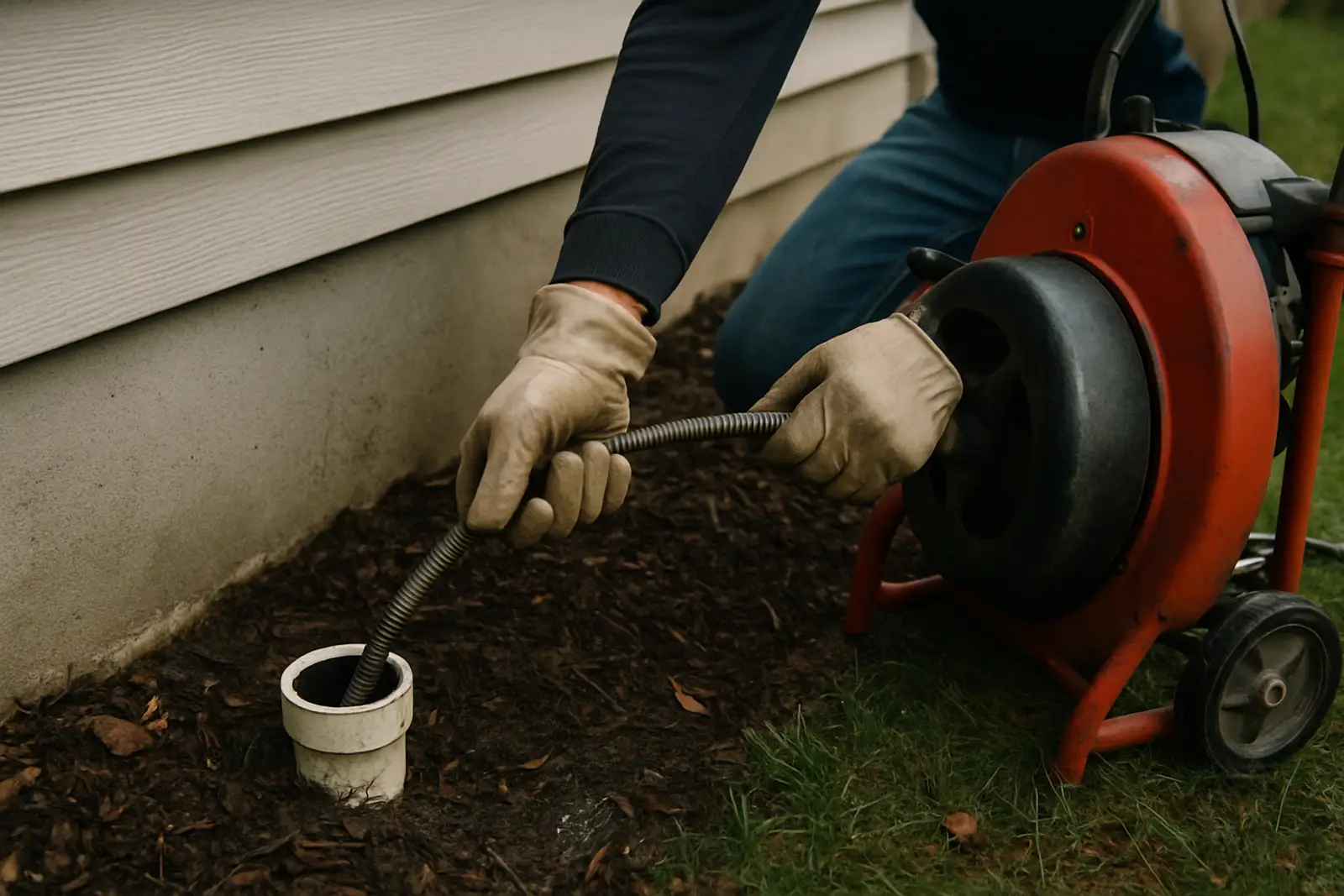
Houses and pipes in Sioux Falls
Cathedral, All Saints, McKennan Park and the neighborhoods near downtown have homes from the 1880s through the 1930s, many with quartzite foundations, basements and clay laterals.
Neighborhoods around Augustana University and Terrace Park have bungalows and foursquares from the 1910s through the 1940s.
The central and east sides filled in from the 1950s through the 1970s with ranches and split-levels.
Sioux Falls has grown rapidly since the 1990s, with new subdivisions spreading south, east and west.
The city sits along the Big Sioux River on clay and glacial soils, with brutal winters and spring floods.
Who handles what in Sioux Falls
The City of Sioux Falls Public Works department runs the sewer system and water reclamation facility. Sioux Falls homeowners are responsible for the sewer service line from the house to the city main.
Drain problems Sioux Falls homes see most
| Problem | Why it happens here |
|---|---|
| Frozen pipes and service lines | Plains winters |
| Roots in clay laterals | Cathedral, All Saints and McKennan Park |
| Basement backups | Older homes during storms and thaws |
| Sump pump failures | Spring thaw |
| Cast iron corrosion | Midcentury homes |
| Grease and wipes | Busy households |
Sioux Falls drains through the year
Spring thaw and rains raise the Big Sioux and groundwater, and summer brings fast root growth.
Winters bring weeks below zero, frost several feet deep and frozen pipes and service lines.
What drain cleaning costs in Sioux Falls
| Job | Typical range |
|---|---|
| Sink, tub or toilet cleared | $125–$260 |
| Main line cleared from a cleanout | $185–$420 |
| Root cutting | $245–$565 |
| Hydro jetting | $320–$775 |
| Sewer camera inspection | $130–$265 |
| Frozen line thawing | $210–$520 |
Newer south side homes clear quickly. Century-old clay near downtown, frozen service lines and basements without a cleanout take longer.
Before the plumber arrives
- 1
Pause water use
Hold off on laundry, dishes and showers.
- 2
Below zero?
If drains stopped during a deep freeze, the service line may be frozen.
- 3
Sump or sewer?
If the water is clean and coming from the pit, it's groundwater; if it's gray and smelly at the floor drain, it's sewage.
- 4
Find the cleanout
Usually low on the basement wall facing the street.
Quartzite and old neighborhoods
Sioux Falls's pink quartzite, quarried nearby, built the old courthouse, churches and many foundations in the Cathedral and All Saints neighborhoods. Homes there date from the 1880s through the 1920s, with basements and clay laterals under big trees. Roots and cracks are the usual findings, and lining protects historic yards.
Brutal winters
Sioux Falls winters are long and harsh, with weeks below zero and wind chills far lower. Frost drives deep into the ground, especially under plowed driveways and sidewalks, and shallow service lines can freeze. Garage laundries, porch plumbing and pipes in north-facing walls are the first to go. Thawing a frozen Sioux Falls service line takes a steam or hot-water jetter, and patience.
McKennan Park
McKennan Park, one of the city's most desirable neighborhoods, has bungalows and period revival homes on streets shaded by big elms and maples. Clay laterals and roots go together here.
A typical Sioux Falls call
In February, after a week below minus fifteen, a family in a 1920s bungalow near McKennan Park finds water backing up in the basement floor drain. The plumber finds the service line frozen under the driveway, thaws it with steam and then sees roots at a cracked joint on the camera. Come April, they'll add foam board over the line under the driveway and have the clay lined.
Spring thaw and the Big Sioux
When the snowpack melts in March and April, the Big Sioux River rises and groundwater climbs. Basements see seepage, sump pumps run constantly and cracked laterals take in water. The city has built flood control along the river, but low neighborhoods still feel the effects.
Midcentury neighborhoods
The central and east sides filled in from the 1950s through the 1970s with ranches and split-levels. Cast iron under basement floors and clay laterals are now aging, with scale and roots common.
Rapid growth
Sioux Falls has been one of the fastest-growing cities in the Midwest, with new subdivisions spreading in every direction. Newer PVC lines resist roots, and grease, wipes and sump pump failures cause most problems there.
Sump pumps
Most Sioux Falls basements have sump pumps. During spring thaw and heavy rain, they can run for days. Test the pump each spring, and in winter make sure the discharge line doesn't freeze.
Restaurants downtown
Downtown Sioux Falls's Phillips Avenue and the area around Falls Park have a growing restaurant scene. Kitchens there keep interceptors pumped to stay open through busy weekends.
Augustana and USF
Augustana University and the University of Sioux Falls bring students to older homes nearby. A house full of students moving in at once is often what finally closes a weak old line.
Rental houses near campus that sit empty over winter break are especially prone to frozen pipes if the heat is turned down too far.
Healthcare and shift work
Sanford Health and Avera are major employers, and many households work shifts. Night-shift nurses and techs doing laundry at 3 a.m. often discover a partial clog before anyone else in the house.
Finished basements
Many Sioux Falls homes have finished basements, and a backup can be costly. A backwater valve on older lines and a sump pump with a battery backup are worth the investment.
All Saints and the Pettigrew district
All Saints, named for the old Episcopal school, and the area around the Pettigrew Home and Museum have Queen Anne and Craftsman homes built by the city's early merchants and professionals. Their basements were often dug into rocky glacial soil, and the clay laterals leaving them run under some of the oldest trees in the city. Owners who restore these homes find that the sewer line is often the last original system left. A camera inspection before a remodel helps decide whether to line it while the work is underway.
Downspouts and footing drains
Many older Sioux Falls homes were built with downspouts and foundation footing drains tied directly into the sewer lateral. During spring thaw and summer storms, that clean water floods into the sanitary sewer and can push a narrowed line into backing up. Rerouting downspouts into the yard and sending footing drains to a sump pump keeps both the basement and the city system drier.
Blizzards and power outages
Plains blizzards can knock out power for a day or more in deep cold. A house without heat can freeze its pipes quickly, and a sump pump without power can't move water once the thaw begins. A battery backup for the sump and a plan to drain the plumbing during a long outage are worth having.
When you call
Share the neighborhood, the home's age, whether the basement is finished and whether it's been very cold. Mention big trees near the line.
Sioux Falls ZIP codes
- 57103
- 57104
Sioux Falls drain questions
Who handles sewer in Sioux Falls?+
Sioux Falls Public Works. The service line is the homeowner's.
Do service lines freeze in Sioux Falls?+
Yes. Frost can reach five or six feet under plowed driveways in a hard winter.
Why do older homes near downtown have root clogs?+
Cathedral and All Saints homes still have their original clay service lines, and the elms and ash on the boulevards have been rooting into them for a hundred years.
Should Sioux Falls buyers get a sewer scope?+
Yes, especially for homes built before 1960.