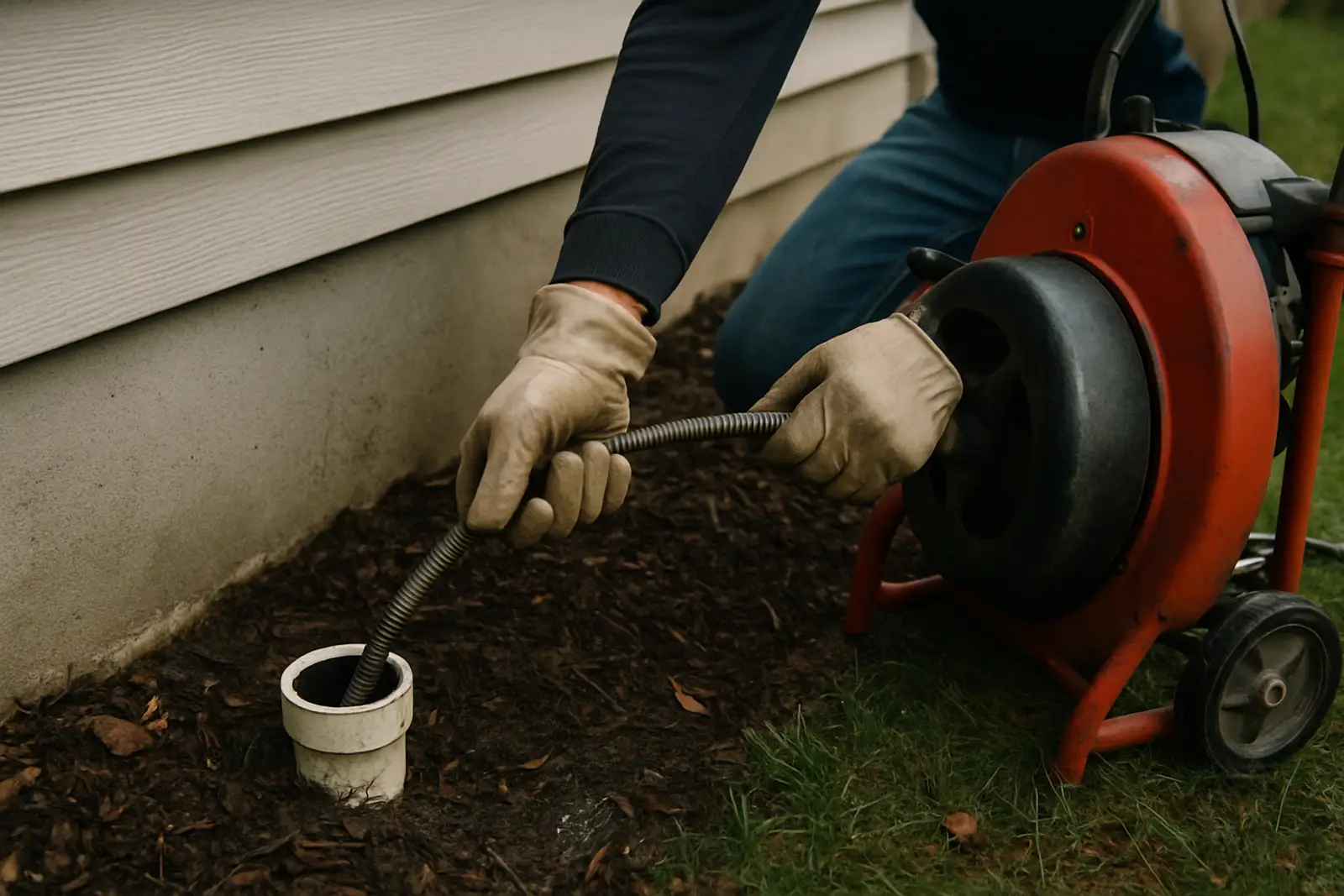
Houses and pipes in Tempe
Tempe's oldest neighborhoods surround downtown and Arizona State University: Maple-Ash, Mitchell Park and the streets near Mill Avenue have homes from the 1920s through the 1950s, many converted to student rentals. North and central Tempe filled in during the 1950s and 1960s with block ranch homes on slabs, often with original cast iron drain lines and clay laterals. These areas also have mature shade trees, and roots in older laterals are a common reason for main line backups.
South Tempe, below the 60, was built mostly in the 1970s and 1980s, with ranch homes, two-story houses and neighborhoods around lakes and parks. Plastic drain lines are more common there, though some homes still have original fixtures and drains approaching fifty years old.
Tempe has one of the highest shares of rental housing in the Phoenix area, from single-family homes near campus to large apartment complexes. Heavy use, frequent tenant turnover and wipes and grease from busy households make main line clogs more common than in owner-occupied neighborhoods.
Who handles what in Tempe
The City of Tempe runs its own water and wastewater utilities and maintains the public sewer mains. Property owners are generally responsible for the lateral from the building to the main. In rental properties, the landlord is usually responsible for repairs. If a backup affects several homes at once, call the city.
Drain problems Tempe homes see most
| Problem | Why it happens here |
|---|---|
| Roots in older clay laterals | Mature trees in central and north Tempe |
| Cast iron scale under slabs | 1950s and 1960s ranch homes |
| Wipes and grease in rentals | Student and multi-tenant households |
| Lint from frequent laundry | Shared homes with daily laundry |
| Sags in older laterals | Settled soil under decades-old lines |
| Scale in bath traps | Hard water crusts tub and shower drains |
Tempe drains through the year
Tempe's drain calls follow the university calendar. Move-in in August brings new tenants who don't know a home's quirks, and lines that sat quiet over summer suddenly get heavy use. Football season, holidays and spring break bring parties and visitors. Move-out in May often reveals problems tenants ignored.
Summer heat and monsoon storms affect older neighborhoods most. Storms can overload mains briefly, and roots grow actively through the warm months. Spring is the best time for landlords to scope and clear lines before the fall rush.
What drain cleaning costs in Tempe
| Job | Typical range |
|---|---|
| Sink, tub or laundry line cleared | $125–$300 |
| Main line cleared from a cleanout | $200–$500 |
| Root cutting in a clay lateral | $250–$600 |
| Jetting a scaled or greasy line | $350–$900 |
| Camera inspection | $150–$400 |
Older central Tempe homes with roots or cast iron sit toward the top of these ranges. South Tempe homes with plastic pipe are usually lower. Rentals without accessible cleanouts can take longer.
Before the plumber arrives
- 1
Stop running water
Ask everyone in the house to stop using water.
- 2
Tell the landlord
If you rent, report the backup to your landlord or property manager right away.
- 3
Find the cleanout
Often outside near the front or side of the house.
- 4
Note the details
Which fixtures are affected and when it started.
Near campus versus south Tempe
Within a mile or two of ASU, most homes are older and many are rentals, and the typical drain call is a main line backup caused by roots, wipes or both. In south Tempe, around Kiwanis Park and the neighborhoods near the Tempe-Chandler line, homes are younger and owner-occupied, and calls are more often a single slow kitchen or bathroom drain.
A typical rental call
Two weeks after move-in, tenants in a 1950s home near Apache Boulevard report that the shower floods when the toilet flushes. The plumber clears a main line packed with wipes and roots about thirty-five feet out. The camera shows clay pipe with roots at several joints. The landlord books root cutting on a schedule, posts a note about wipes in the bathroom and gets a quote for lining before next summer's turnover.
Move-out season
May move-outs are a good time for landlords to run water through every fixture and check for slow drains before the next tenant arrives in August. Any line that drains slowly with an empty house will only get worse once a full household moves in.
Tempe Town Lake and downtown condos
The condos and apartments that have gone up around Tempe Town Lake and Mill Avenue are newer and rarely have pipe problems, but shared stacks mean one unit's clog can affect others. Residents should use strainers, keep wipes out of toilets and report slow drains to management promptly.
South Tempe homes
South Tempe's 1970s and 1980s homes around Kiwanis Park and the Lakes are mostly owner-occupied and quieter for drains than the neighborhoods near campus. Their typical calls are a slow kitchen line or a bathroom drain clogged with hair and scale. Where the original lateral is still in place, roots from mature landscape trees can show up after forty-plus years, so a camera look is worth it after any main line backup.
What landlords should know
Tempe landlords can prevent most rental drain emergencies with a short routine. Scope older lines between tenants, clear roots on a schedule, and replace worn toilet flappers and fill valves. Put a trash can in every bathroom and a short note about wipes and grease in the kitchen. Make sure tenants know where the cleanout is and who to call. A routine visit in June costs far less than an emergency call during the first week of the fall semester.
Keep a simple log for each property: the date of each clearing, what was found and how far down the line. That history makes the next visit faster and helps decide when a permanent repair makes more sense than repeated clearing.
Mid-century north Tempe
North Tempe's neighborhoods near Papago Park and along McKellips Road were built in the 1950s and 1960s, and many homes still have original cast iron under the slab. Cast iron narrows from the inside as it rusts, catching paper and grease. Descaling or jetting can restore much of its diameter, and lining can seal a deteriorating section without breaking the floor. A camera inspection shows which approach fits.
Apartments and shared lines
In older apartment buildings, several units often share a single drain line. A clog in one unit's branch affects only that unit, but a clog in the shared line can back up into the lowest units. Residents should report slow drains early, and managers should keep the main cleanout accessible.
Tempe ZIP codes
- 85281
- 85282
- 85283
- 85284
Tempe drain questions
Who pays for drain cleaning in a Tempe rental?+
Usually the landlord, unless the lease says otherwise or the clog was caused by tenant misuse.
Why do older Tempe homes get roots?+
Clay laterals with shifted joints and mature shade trees give roots easy access.
When should landlords scope lines?+
Between tenants, ideally in early summer before the August move-in rush.
Who maintains Tempe's sewer mains?+
The City of Tempe. Property owners maintain laterals.