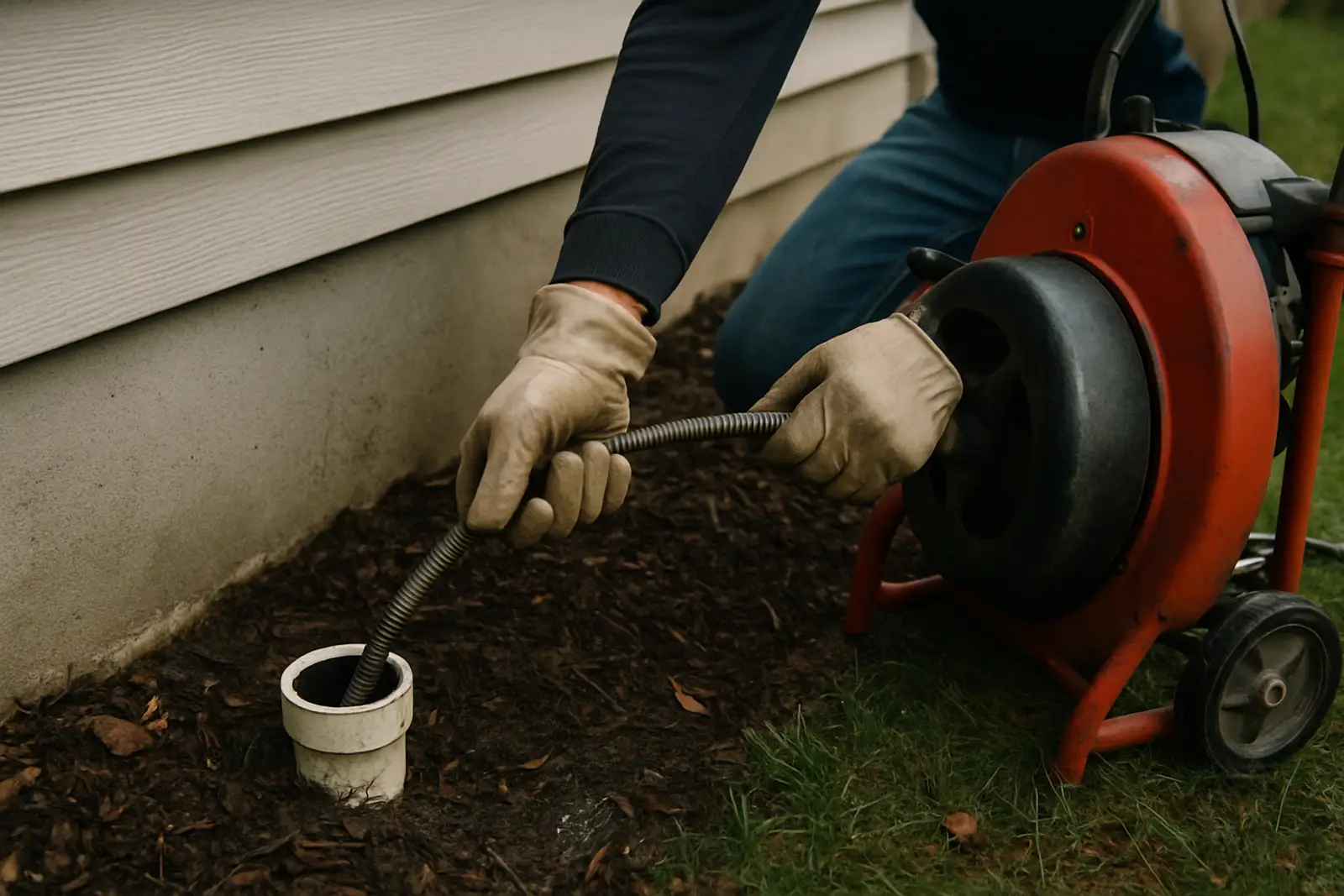
Houses and pipes in Baton Rouge
Spanish Town, Beauregard Town and the neighborhoods near downtown have homes from the 1820s through the 1920s, many raised on piers with clay laterals.
The Garden District, Capital Heights, University Gardens and the neighborhoods around LSU were built from the 1910s through the 1950s with bungalows and cottages.
Mid City and the neighborhoods off Government Street and Florida Boulevard filled in from the 1940s through the 1960s with ranches.
South Baton Rouge, the Highland Road corridor and suburbs toward Prairieville grew from the 1970s onward with slab homes.
Baton Rouge sits on clay and silt soils near the Mississippi, with heavy rain and occasional major flooding.
Who handles what in Baton Rouge
The City-Parish Department of Environmental Services runs the sewer system for East Baton Rouge. Baton Rouge property owners are responsible for the sewer service line between the house and the public main.
Drain problems Baton Rouge homes see most
| Problem | Why it happens here |
|---|---|
| Heavy use in student rentals | Near LSU |
| Roots from live oaks | The Garden District, Spanish Town and University Gardens |
| Clay soil movement | Shrinking and swelling soils |
| Flooding and surcharges | Low areas and creek-side neighborhoods |
| Cast iron under slabs | Midcentury homes |
| Grease buildup | Tailgates and busy kitchens |
Baton Rouge drains through the year
Heavy rains in spring and summer, and hurricane season from June through November, saturate the ground and can overload sewers, and roots grow all year.
Football season in the fall brings huge crowds to LSU and heavy use in homes and restaurants near campus.
What drain cleaning costs in Baton Rouge
| Job | Typical range |
|---|---|
| Sink, tub or toilet cleared | $125–$265 |
| Main line cleared from a cleanout | $190–$425 |
| Root cutting | $250–$575 |
| Hydro jetting | $325–$785 |
| Sewer camera inspection | $130–$270 |
| Backflow preventer installation | $800–$2,450 |
Newer south Baton Rouge lines go quickly. Old clay under live oaks near downtown, cast iron under slabs and flooded access take longer.
Before the plumber arrives
- 1
Stop using water
Turn off the washer and dishwasher, then wait on showers.
- 2
LSU rental?
Call your landlord first.
- 3
Heavy rain lately?
If streets flooded, the sewer may be surcharged; let the water go down.
- 4
Find the cleanout
Usually near the front of the house or under the porch.
Spanish Town and Beauregard Town
Spanish Town and Beauregard Town, next to the State Capitol, are Baton Rouge's oldest neighborhoods, with cottages and townhouses from the early 1800s. Many are raised on piers, and their laterals were added long after construction. Live oaks and old clay mean roots and cracks. Spanish Town's famous Mardi Gras parade brings huge crowds every year.
The Garden District
The Garden District, along with Roseland Terrace and Kleinert Terrace, has bungalows and Tudors from the 1910s through the 1940s under huge live oaks. Those oaks are more than a century old, and their roots have found nearly every joint in the clay pipe beneath them.
Near LSU
The neighborhoods around LSU, including the Northgate area and blocks off Highland Road, are packed with older homes and apartments rented to students. On game nights at Tiger Stadium, more than 100,000 fans fill the area, and nearby homes host big crowds. Old laterals get pushed hard. Owners who jet lines in summer avoid many fall emergencies.
The 2016 flood
In August 2016, more than two feet of rain fell in parts of the Baton Rouge area over a few days, flooding tens of thousands of homes, many outside designated flood zones. Sewers overflowed and lines filled with silt. Many homes were gutted and rebuilt. Lines that went through the flood should be inspected for silt and damage.
A typical Baton Rouge call
Two days before an LSU home game, five students in a 1940s cottage near campus find the shower filling with gray water. The plumber opens the cleanout and pulls out hair, wipes and live oak roots about twenty-five feet out. The camera shows cracked clay. The owner books a liner after the season.
Clay soil
Baton Rouge's clay soils swell in wet weather and shrink in drought, shifting foundations and laterals. Cast iron under slabs can crack where the slab moves.
Midcentury homes
Mid City and the neighborhoods off Government Street filled in after World War II with ranches on slabs, many with cast iron under the floor. After sixty to seventy years, that cast iron scales and cracks. Slow drains throughout the house point to trouble under the slab.
Petrochemical plants and shift work
Baton Rouge's petrochemical plants along the river run around the clock, and many households work shifts. Water use at all hours exposes partial clogs quickly.
Tailgates and restaurants
LSU tailgates are legendary, with jambalaya, gumbo and fried food cooked in huge quantities. Restaurants near campus and downtown run at full capacity on game days. Kitchens that pump interceptors before the season avoid backups.
Hurricane season
Baton Rouge sits inland, but hurricanes and tropical storms still bring heavy rain and wind. Before the season, have older lines inspected and cleared, and consider a backflow preventer in low areas.
After a storm, wait for streets to drain before running a lot of water, especially in neighborhoods that flooded in 2016.
South Baton Rouge
South Baton Rouge and the suburbs toward Prairieville have grown since the 1970s with slab homes and PVC drains. Kitchen grease and wipes, rather than roots, account for most of the calls.
Mild winters
Baton Rouge rarely freezes hard, but occasional cold snaps catch exposed pipes under raised houses. Wrap them before the first freeze.
Mid City and Government Street
Mid City, stretching along Government Street between downtown and the LSU area, has been revitalized with restaurants, shops and renovated homes. Its neighborhoods, like Ogden Park and Bernard Terrace, have cottages and bungalows from the 1920s through the 1950s, many on low piers or slabs. Clay and cast iron laterals there are now old enough to crack, and live oaks along the streets add roots. When an owner renovates, a camera inspection of the lateral is a smart early step, since replacing it before new floors go in is much easier.
Bayous, canals and drainage
Baton Rouge drains through bayous and canals like Dawson Creek, Ward Creek and the Comite River, and neighborhoods near them sit on lower ground where water collects during heavy rain. Cracked laterals there take in groundwater, and low sewers can surcharge. Homes that flooded in 2016 are often near these waterways, and a backflow preventer is worth considering.
When you call
Share the neighborhood, the home's age, whether it's raised or on a slab and whether it's a student rental. Mention live oaks near the line and whether the home flooded in 2016.
Baton Rouge ZIP codes
- 70801
- 70802
- 70803
- 70805
- 70806
- 70807
- 70808
- 70809
- 70810
- 70811
- 70812
- 70813
- 70814
- 70815
- 70816
- 70817
- 70818
- 70819
- 70820
- 70825
- 70836
Baton Rouge drain questions
Who handles sewer in Baton Rouge?+
The City-Parish Department of Environmental Services. The property owner is responsible for the service line to the main.
Why do LSU-area houses clog so often?+
Several students in an older home send a lot of hair, grease and wipes through laterals not built for that use.
Do live oaks damage sewer lines?+
Yes. Their roots spread far and find cracked joints in clay and cast iron.
Should I get a sewer scope before buying in Baton Rouge?+
Yes, especially for older homes and those in flood-prone areas.