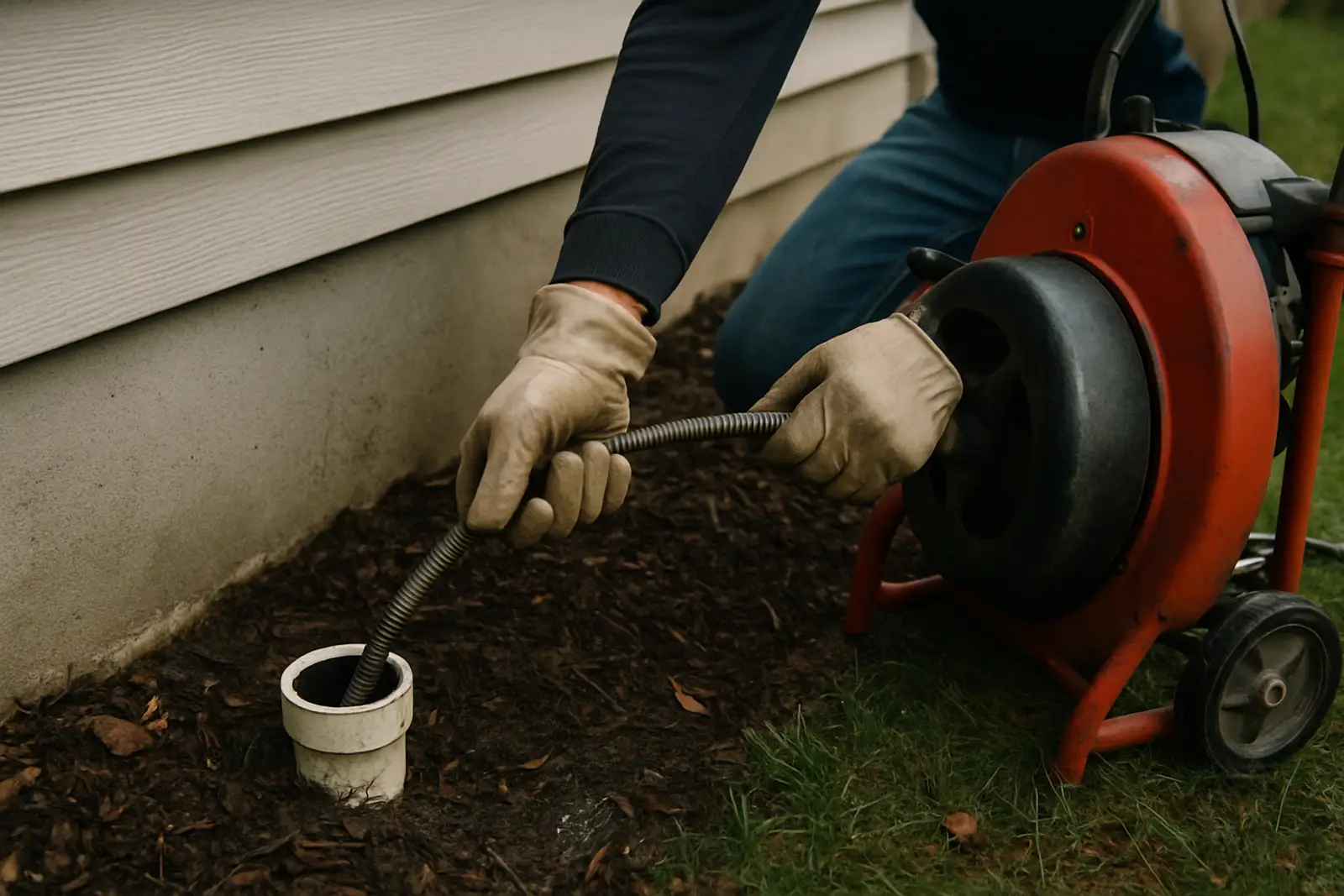
Houses and pipes in Lafayette
The Saint Streets, Freetown, Sterling Grove and the neighborhoods near downtown have homes from the 1890s through the 1940s, many raised on piers with clay laterals.
Neighborhoods around the University of Louisiana at Lafayette have many older homes rented to students.
South Lafayette, along Johnston Street and Kaliste Saloom Road, filled in from the 1960s through the 1990s with ranches on slabs during the oil boom.
Newer subdivisions toward Youngsville, Broussard and Milton have grown since the 2000s.
Lafayette sits on flat, poorly draining clay and silt near the Vermilion River, with heavy rain and occasional major flooding.
Who handles what in Lafayette
Lafayette Utilities System runs the city's sewer system and treatment plants. A Lafayette homeowner is responsible for the sewer line from the house to the public main.
Drain problems Lafayette homes see most
| Problem | Why it happens here |
|---|---|
| Roots from live oaks | The Saint Streets and Sterling Grove |
| Heavy use in student rentals | Near UL Lafayette |
| Flooding and surcharges | Low areas near the Vermilion and coulees |
| Cast iron under slabs | Oil-boom era homes |
| Grease buildup | Crawfish boils and busy kitchens |
| Clay soil movement | Shrinking and swelling soils |
Lafayette drains through the year
Heavy spring and summer rains, plus hurricane season, saturate flat ground and overload sewers, and roots grow all year in the warm, wet climate.
Crawfish season from January through June brings big outdoor boils and plenty of grease and seasoning down kitchen drains.
What drain cleaning costs in Lafayette
| Job | Typical range |
|---|---|
| Sink, tub or toilet cleared | $120–$255 |
| Main line cleared from a cleanout | $180–$410 |
| Root cutting | $240–$560 |
| Hydro jetting | $315–$765 |
| Sewer camera inspection | $125–$260 |
| Backflow preventer installation | $750–$2,350 |
Newer Youngsville-area lines clear quickly. Old clay under live oaks, cast iron under oil-boom slabs and flooded access take longer.
Before the plumber arrives
- 1
Pause water use
Hold off on the washer and showers.
- 2
After a big rain?
If streets flooded, the sewer may still be running high; give it time.
- 3
UL student rental?
Your landlord should be the first call.
- 4
Find the cleanout
Usually near the front of the house; raised homes may have access under the porch.
The Saint Streets
The Saint Streets, near downtown and the university, are named for saints like St. Mary and St. John, and their bungalows and cottages from the early 1900s sit under massive live oaks. Many are raised on piers. Clay laterals under those trees fill with roots, and lining protects the oaks.
Freetown and Sterling Grove
Freetown, one of Lafayette's oldest neighborhoods, was settled by free people of color after the Civil War, and Sterling Grove is a historic district of early twentieth-century homes. Old laterals, some without cleanouts, are common.
Near UL Lafayette
The University of Louisiana at Lafayette is surrounded by older homes rented to students. Hair, grease and wipes fill old clay laterals, especially at the start of each semester and during Ragin' Cajuns football season.
Oil boom slabs
In the 1970s and early 1980s, Lafayette boomed as the center of the Gulf oil industry, and south Lafayette filled with ranches on slabs. Cast iron under those slabs is now forty to fifty years old, and clay soil movement can crack it. When the tub, the sinks and the washer all drain sluggishly, the problem is usually under the concrete, not in a single fixture.
A typical Lafayette call
The Monday after a big backyard crawfish boil, a family in a 1978 slab home off Kaliste Saloom finds the kitchen sink and dishwasher backing up. The plumber clears grease, seasoning and shell bits from the kitchen line, then finds on the camera that the cast iron under the slab is heavily scaled. They plan descaling.
Flooding
Lafayette's flat terrain drains slowly through coulees to the Vermilion River, and heavy rains like the August 2016 flood put many homes under water. Water seeps into every cracked lateral, and the public lines back up toward homes on the lowest streets. Backflow preventers help in low areas.
Crawfish boils and grease
Crawfish season is a way of life in Acadiana, and boils mean big pots of seasoned water, corn, potatoes and plenty of butter. Pouring that water and grease down a kitchen drain, or rinsing shells into the sink, can clog a line fast. Dump boil water outside away from the house and bag the shells.
Clay soil
Lafayette's clay and silt soils swell when wet and shrink in drought, shifting foundations and laterals. Older clay and cast iron crack with that movement.
Restaurants and festivals
Lafayette's Cajun and Creole restaurants and its festivals, like Festival International and Festivals Acadiens et Créoles, draw big crowds. Kitchens frying boudin, catfish and cracklins stay open by keeping interceptors pumped.
Hurricane season
Lafayette sits about thirty miles inland, but hurricanes like Rita, Gustav, Laura and Delta brought heavy rain and wind. Before the season, have older lines inspected and consider a backflow preventer.
After a storm, wait for the coulees to drain before running heavy loads of laundry or long showers.
Newer suburbs
Youngsville, Broussard and Milton have grown rapidly with newer homes and PVC drains. In those houses, the usual suspects are grease, wipes and the odd toy.
Mild winters
Lafayette rarely freezes, but a few cold nights can catch exposed pipes under raised houses. Wrap them before a forecast freeze.
Oil Center and midtown
The Oil Center, a planned office district built in the 1950s for oil companies, and the midtown neighborhoods around it filled in with ranch homes for petroleum engineers, landmen and their families. Those homes now have sixty-year-old cast iron and clay laterals under oaks that were saplings when the houses were built. Roots, scale and cracked joints are the usual findings, and many homes have been expanded with additions tied into the original line.
Coulees and slow drainage
Lafayette drains through a network of coulees, shallow channels that carry water to the Vermilion River. On flat ground, water moves slowly, and after a heavy rain the coulees and the soil around them stay full for days. Homes near the coulees see the most infiltration through cracked laterals. Lining the lateral seals those cracks so the coulee water stays outside the pipe.
Big families and Sunday dinners
Acadiana families gather often, and Sunday dinners, holidays and boucheries mean big pots of gumbo, rice and fried food. Rice and grease together form a sticky paste that clogs kitchen lines. Scraping pots into the trash and letting grease cool in a can keep the drain open.
When you call
Share the neighborhood, the home's age, whether it's raised or on a slab and whether it flooded in 2016. Mention live oaks near the line.
Lafayette ZIP codes
- 70501
- 70503
- 70506
- 70507
- 70508
Lafayette drain questions
Who handles sewer in Lafayette?+
Lafayette Utilities System. The homeowner is responsible for the line from the house to the main.
Do live oaks damage sewer lines?+
Yes. Their roots spread far through soft soil and find cracked joints in old pipe.
Why do drains slow after heavy rain?+
Flat ground drains slowly, groundwater rises and cracked laterals take in water while sewers run high.
Is a sewer scope worth it before buying in Lafayette?+
It is, particularly for a raised house near downtown or any home that took on water in 2016.