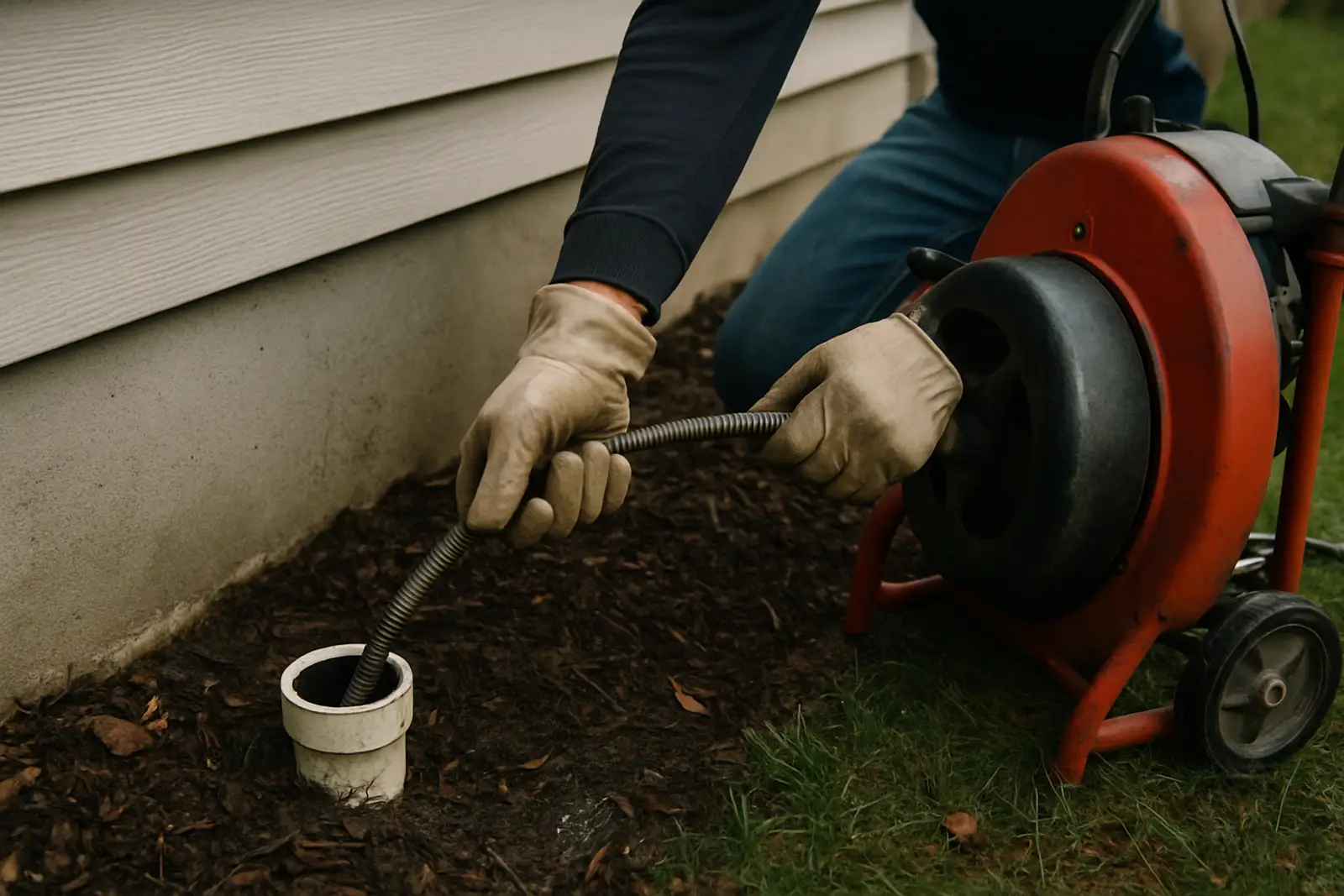
Houses and pipes in Cape Coral
Cape Coral was laid out in the late 1950s by developers who dug hundreds of miles of canals through mangrove and marshland and sold lots by mail. The first homes, in the southeast near Cape Coral Parkway, were concrete-block ranches built in the 1960s and 1970s, many with cast iron drains under the slab.
For decades, most Cape Coral homes relied on septic tanks. The city's Utilities Expansion Project has been converting neighborhoods to central sewer for years, and many homes now have a newer lateral connected to an older plumbing system.
The city grew fast from the 1980s through today, spreading north and west across lots that sat empty for decades. Most homes built since then have plastic drains and outside cleanouts.
Much of Cape Coral sits just a few feet above sea level. Groundwater is close to the surface, and canals rise and fall with the tides from the Caloosahatchee and the Gulf.
Hurricane Ian in 2022 pushed storm surge into southern and western neighborhoods, flooding thousands of homes and filling drains with sand and silt.
Who handles what in Cape Coral
The City of Cape Coral Utilities provides sewer service where it has been extended. Homes in areas not yet converted still use septic. The property owner maintains the line from the house to the sewer connection or tank.
Drain problems Cape Coral homes see most
| Problem | Why it happens here |
|---|---|
| Septic backups | Neighborhoods awaiting sewer conversion |
| Rotting cast iron | 1960s and 1970s block homes |
| Storm surge debris | Southwest and canal-front homes |
| Groundwater infiltration | High water table near canals |
| Grease and wipes | Seasonal and rental homes |
| Poorly abandoned tanks | Homes converted from septic |
Cape Coral drains through the year
Hurricane season and summer storms raise canals and groundwater, and surge can push water into low drains. Septic fields saturate in the rainy months.
Winter brings snowbirds and seasonal residents back to homes that sat empty all summer. Dry traps and stale lines are common on arrival.
What drain cleaning costs in Cape Coral
| Job | Typical range |
|---|---|
| Sink, tub or toilet cleared | $130–$270 |
| Main line cleared from a cleanout | $195–$440 |
| Hydro jetting | $335–$790 |
| Camera inspection | $150–$385 |
| Septic pumping (separate service) | $300–$600 |
Newer north Cape homes with plastic drains clear quickly. Old cast iron, surge cleanup and septic issues take longer.
Before the plumber arrives
- 1
Hold off on water
Pause showers, laundry and the dishwasher.
- 2
Sewer or septic?
Check your utility bill; many neighborhoods were converted only recently.
- 3
After a storm?
If the house took on water, sand may be in the lines.
- 4
Returning for the season?
Run water in every fixture before calling; dry traps cause smells.
Southeast Cape and the original neighborhoods
The first homes in Cape Coral went up near Cape Coral Parkway and along the southeast canals in the 1960s and 1970s. Those concrete-block ranches often have cast iron drains under the slab, now thinned and scaled. A camera inspection shows whether the iron still has life or needs lining.
The septic-to-sewer switch
Cape Coral's Utilities Expansion Project has been bringing central sewer to neighborhoods in phases. When a home is connected, a new lateral is run and the old septic tank should be pumped and filled or removed. Problems can show up later if the tank wasn't abandoned properly or if the new connection sags. If you were recently converted and notice odors or slow drains, have both checked.
Canals and groundwater
With hundreds of miles of canals, much of Cape Coral sits right at the water's edge. Groundwater rises and falls with the tides, and cracked laterals take it in. Septic drain fields in canal-front lots can saturate quickly in summer.
After Hurricane Ian
Ian's surge in 2022 flooded homes across southwest Cape and along the river. Water pushed sand and silt into drains through cleanouts and low fixtures. Many homes have been gutted and rebuilt, but laterals and under-slab drains often weren't touched. A jetting and camera inspection clear what's left and show whether pipe was damaged.
A typical Cape Coral call
In November, a retired couple returning to their 1972 canal home finds a sewer smell and slow drains. The plumber runs water to refill dry traps, then clears the main from the front cleanout and finds sand from Ian packed in a low spot. The camera also shows thinned cast iron under the slab. They schedule lining.
North Cape
North Cape Coral, along Pine Island Road and toward Burnt Store, has grown rapidly since 2000 with newer homes and plastic drains. Clogs there come mostly from grease, wipes and lint. Some areas are still on septic awaiting conversion.
Seasonal residents
Many Cape Coral homes belong to snowbirds who leave for the summer. Traps dry out and grease in lines hardens. Before leaving, pour a little mineral oil into each drain to slow evaporation, and run water in every fixture on return.
Septic care
If you're still on septic, pump the tank every three to five years, keep wipes and grease out and watch for wet or smelly spots over the drain field, especially during the rainy season.
Restaurants on the water
Waterfront restaurants along Cape Coral Parkway, the Cape Harbour marina and the downtown South Cape district serve big crowds in season. Commercial kitchens need interceptors pumped and lines jetted regularly.
Pool homes and lanais
Most Cape Coral homes have a screened pool, and pool backwash and lanai drains are separate from the sewer. Never send pool water into a septic system; it can flood the drain field. If a lanai drain backs up during storms, it's usually blocked with leaves or sand rather than tied to the main.
What to tell a Cape Coral plumber
Say whether you're on sewer or septic, roughly when the home was built and whether it flooded during Ian. Mention whether it's a seasonal home that just reopened and whether the house sits on a canal.
Cape Coral ZIP codes
- 33904
- 33909
- 33914
- 33990
- 33991
- 33993
Cape Coral drain questions
Is my Cape Coral home on sewer or septic?+
It depends on whether your area has been converted under the city's Utilities Expansion Project. A wastewater line item on the city utility bill means you're on the public system; no such charge usually means a tank in the yard.
My home was converted from septic. Why does the yard smell?+
The old tank may not have been fully abandoned, or the new lateral may have a problem. A plumber can check both.
My home flooded during Ian. Should I scope the drains?+
Yes. Surge filled many lines with sand and silt, and salt water can damage pipe.
Why does my seasonal home smell like sewer when I arrive?+
Months of empty-house heat evaporate the water seal in each trap. A minute of running water at every sink, tub and shower restores it.