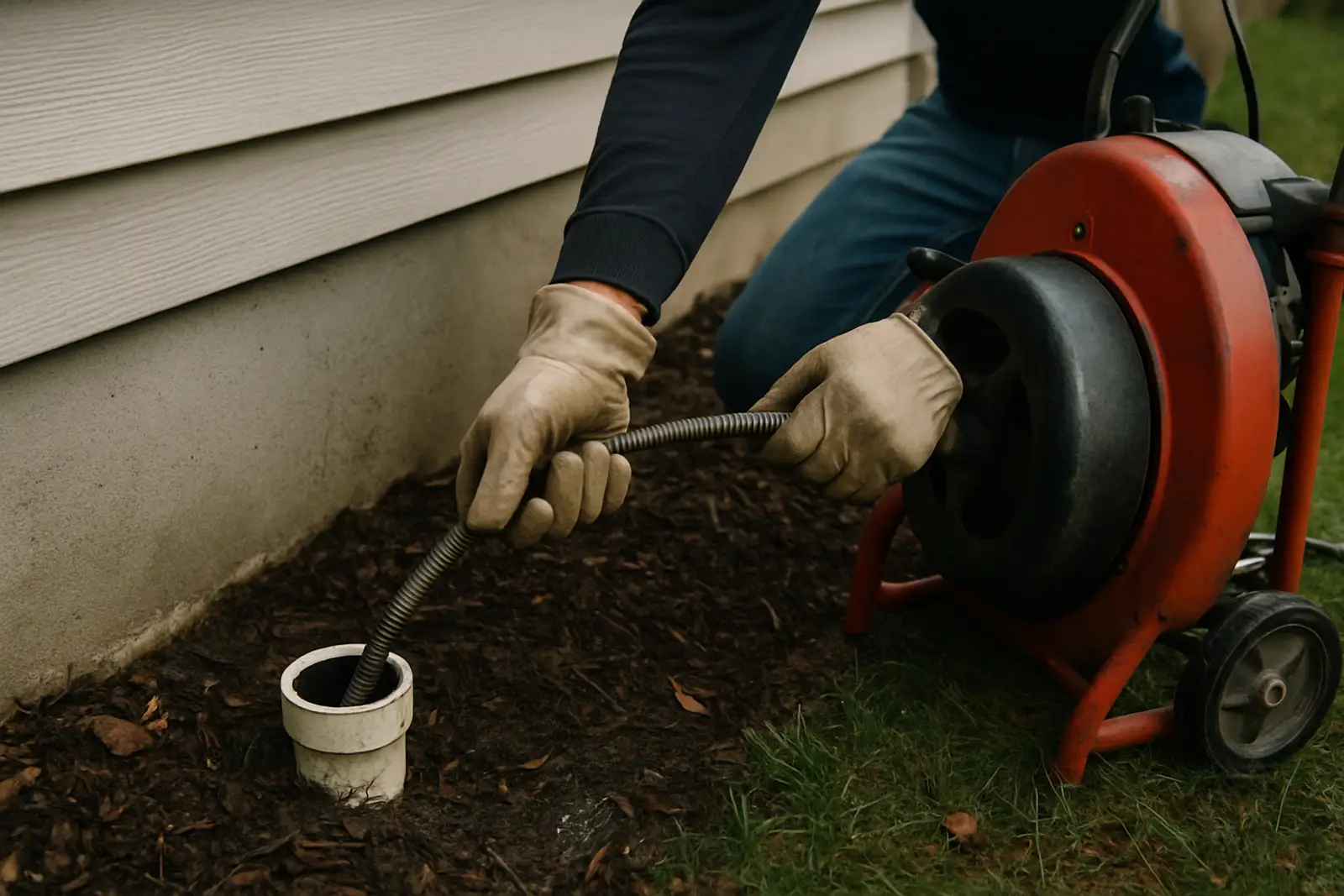
Houses and pipes in St. Petersburg
Old Northeast, Historic Kenwood, Crescent Lake and Roser Park have homes from the 1910s through the 1930s, many wood-frame bungalows and Mediterranean-style houses with clay or cast iron laterals under oaks and palms.
Postwar neighborhoods across the city, including Meadowlawn, Shore Acres, Jungle Prada and much of west St. Pete, were built in the 1950s and 1960s with concrete-block homes on slabs over cast iron drains.
Shore Acres, Snell Isle and other low neighborhoods near the water flooded badly from Hurricane Helene's storm surge in 2024.
St. Pete sits on sandy soil over a shallow water table. Laterals settle, and groundwater and tides seep into cracked pipe.
The city has many older residents, rental cottages and short-term rentals near the beaches, each with its own drain habits.
Who handles what in St. Petersburg
The City of St. Petersburg's water resources department provides sewer service and treatment. The private lateral from the house to the city's main is the owner's responsibility.
Drain problems St. Petersburg homes see most
| Problem | Why it happens here |
|---|---|
| Rotting cast iron | Postwar block homes |
| Oak and palm roots | Historic neighborhoods |
| Storm surge and tidal infiltration | Low neighborhoods near the bay |
| Groundwater infiltration | Sandy soil and summer rains |
| Grease and wipes | Rentals and family kitchens |
| Flood debris | Homes that took on water |
St. Petersburg drains through the year
Hurricane season, June through November, brings surge and heavy rain. Summer afternoon storms raise the water table.
Winter brings snowbirds and tourists to rentals and restaurants. Spring is dry, and the water table drops until the rains return.
What drain cleaning costs in St. Petersburg
| Job | Typical range |
|---|---|
| Sink, tub or toilet cleared | $135–$280 |
| Main line cleared from a cleanout | $200–$450 |
| Root cutting | $270–$600 |
| Hydro jetting | $345–$810 |
| Camera inspection | $155–$395 |
Newer homes clear quickly. Rotted cast iron, surge-damaged lines and historic laterals take longer.
Before the plumber arrives
- 1
Pause water use
Hold off on showers, laundry and dishes.
- 2
After a storm?
If the home took on water, silt may be in the lines.
- 3
Look at the floors
Cracked tile or a sewer smell can mean rotted cast iron under the slab.
- 4
Find the cleanout
Near the front wall or the property line.
Old Northeast and Kenwood
Old Northeast and Historic Kenwood are full of 1920s bungalows and brick streets. Laterals there are often original clay or cast iron running under oaks and palms. Roots, bellies and cracked joints are common, and lining is popular for preserving historic yards.
Postwar block homes
Meadowlawn, Jungle Terrace, Azalea and the other neighborhoods built in the 1950s and 1960s are mostly concrete-block homes with iron drains cast into or under the slab. Sixty years of salt air, humidity and sewer gas have thinned that iron, and many lines now have holes along the bottom. Owners usually choose between lining the existing pipe through the cleanout and rerouting new PVC through the attic or walls; a camera inspection and a quote for each make the decision easier.
Shore Acres and the low neighborhoods
Shore Acres, Snell Isle, Venetian Isles and other low-lying neighborhoods flooded badly from Helene's storm surge in 2024. Surge water pushed sand, silt and salt into drains and cleanouts. Many homes are being raised or rebuilt. A camera inspection after any flood shows what's left in the lines.
A typical St. Petersburg call
A month after a hurricane, the owner of a 1958 home in Shore Acres notices slow drains and gurgling toilets. The plumber jets the main from the front cleanout, flushing out sand and silt, then runs a camera that shows the cast iron under the slab is rotting. The owner schedules lining.
Downtown and restaurants
Downtown St. Pete, the Edge District and the Grand Central stretch of Central Avenue have a busy restaurant, brewery and bar scene, much of it in buildings from the 1920s through the 1950s with old sewer lines. Kitchens frying grouper and wings push plenty of grease downstream. Interceptors pumped on a fixed calendar and kitchen lines jetted a few times a year keep those places open on weekends and during events like the Grand Prix in March.
Sandy soil and groundwater
The Pinellas peninsula is mostly sand over a water table only a few feet down, and in summer it rises even closer. Laterals settle into the sand over the decades, forming low spots that hold water and paper. Every cracked joint lets groundwater in, and near the bay, tides push that groundwater higher twice a day. Sealing the lateral with a liner reduces both the infiltration and the backups it causes.
Snowbirds and rentals
Seasonal residents who close up a St. Pete condo or cottage for the summer often come back to a sewer smell. Traps dry out in the heat and let gas in. Run water in every sink, tub and shower on arrival, and pour a little into floor drains. Short-term rentals near the beaches and downtown need clear signs about wipes and grease, a trash can in every bathroom and a main line cleaning before peak season.
Older residents
Many St. Pete residents are retirees living in homes they've owned for decades. When the main line backs up, plunging a toilet only pushes sewage into the tub. Stop using water, keep the bathroom door closed and call for help. A plumber can clear the line, show you the camera video and explain the options without pressure.
The Pinellas beaches
St. Pete Beach, Treasure Island and Pass-a-Grille sit on barrier islands where every home is close to salt water. Outdoor showers and foot rinses send sand into drains, and storm surge from Helene and Milton in 2024 filled many lines with sand and debris. Rentals there benefit from a jetting before each season.
What to tell a St. Petersburg plumber
Give your neighborhood and the home's age, whether it flooded during a recent storm and whether it's on a slab or raised. Mention big trees near the sewer path, whether the trouble started during rain or a high tide and whether the home is a rental, a seasonal residence or your year-round house.
St. Petersburg ZIP codes
- 33701
- 33702
- 33703
- 33704
- 33705
- 33710
- 33711
- 33712
- 33713
- 33716
St. Petersburg drain questions
Who handles sewer in St. Petersburg?+
The city's water resources department. Owners maintain the lateral to the main.
My home flooded during Helene. Should I scope the drains?+
Yes. Surge water carries sand and debris into drains, and salt water can damage pipe.
Is it normal for 1950s cast iron in St. Pete to be failing?+
Very. Iron drains that age in Pinellas County commonly have scale, cracks or holes along the bottom. A camera video shows exactly where.
There's a big oak over my sewer line in Old Northeast. Do I have to dig?+
Usually not. The line can be cleared of roots and then lined from the cleanout, which leaves the tree and the brick street alone.