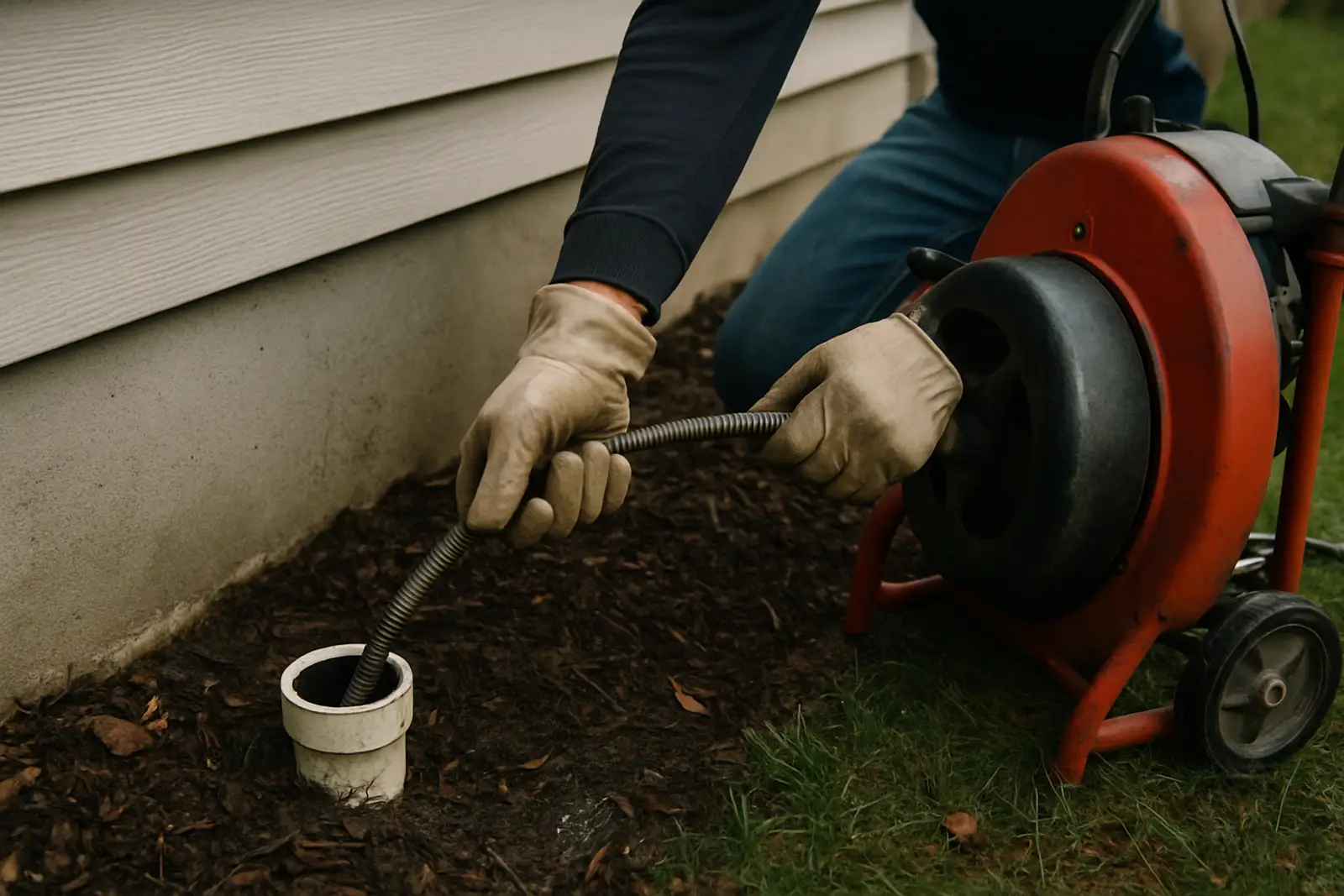
Houses and pipes in Lexington
Downtown neighborhoods like Gratz Park, Woodward Heights, Aylesford and the South Hill have homes from the 1820s through the 1920s, with basements or crawlspaces and old clay laterals.
Neighborhoods around the University of Kentucky, including Aylesford and the areas off Rose Street and South Limestone, have many older homes rented to students.
Chevy Chase, Ashland Park and Kenwick were built from the 1910s through the 1950s with bungalows, Tudors and Colonial Revivals.
Postwar neighborhoods and newer subdivisions spread out toward the Urban Service Boundary, with ranches and later homes on slabs and crawlspaces.
Lexington sits on karst limestone with sinkholes, springs and underground drainage.
Who handles what in Lexington
Lexington-Fayette Urban County Government's Division of Water Quality runs the sewer system and its two treatment plants. Lexington homeowners own and maintain the private lateral from the house to the public sewer.
Drain problems Lexington homes see most
| Problem | Why it happens here |
|---|---|
| Heavy use in student rentals | Near UK |
| Roots in clay laterals | Chevy Chase, Ashland Park and downtown |
| Sinkhole damage | Karst limestone |
| Rain infiltration | Older sewer areas |
| Crawlspace drain leaks | Older homes |
| Grease and wipes | Game day crowds and busy kitchens |
Lexington drains through the year
Spring storms soak the ground and can open sinkholes, roots grow fastest in summer, and August move-in packs student rentals.
Winter cold snaps and ice storms freeze pipes in crawlspaces and exterior walls.
What drain cleaning costs in Lexington
| Job | Typical range |
|---|---|
| Sink, tub or toilet cleared | $130–$275 |
| Main line cleared from a cleanout | $195–$440 |
| Root cutting | $255–$590 |
| Hydro jetting | $335–$805 |
| Sewer camera inspection | $135–$280 |
| Cleanout installation | $650–$1,900 |
Newer subdivision lines go quickly. Crowded student houses, century-old clay downtown and pipe damaged by sinkholes take longer.
Before the plumber arrives
- 1
Get roommates to stop
In a student house, nobody should shower or run the washer until the line's cleared.
- 2
Renting near campus?
Your landlord handles the lateral; contact them first.
- 3
Ground sinking?
A depression in the yard over the sewer path can mean a sinkhole has undermined the pipe.
- 4
Find the cleanout
Older homes may have one only in the basement or crawlspace.
Around UK
The University of Kentucky's campus is surrounded by older neighborhoods packed with student rentals, especially along South Limestone, Rose Street, Transcript Avenue and the Aylesford area. Several tenants per house, often with guests on game days, send heavy loads through laterals that may be a century old. Hair, grease and wipes cause most backups, and the first weeks of fall semester are the busiest. Landlords who jet lines in July avoid many September calls.
Historic downtown
Gratz Park, the South Hill, Woodward Heights and the neighborhoods around Transylvania University have homes from the early 1800s through the early 1900s. Many have been restored, but their laterals are often old clay or a patchwork of different pipe. Roots from old trees and settling ground cause most problems.
Chevy Chase and Ashland Park
Chevy Chase and Ashland Park, built on land that was once part of Henry Clay's Ashland estate, have bungalows, Tudors and Colonial Revivals from the 1910s through the 1940s on tree-lined streets. Clay laterals under big trees fill with roots, and lining protects mature landscapes.
Karst and sinkholes
The Bluegrass region sits on limestone that water slowly dissolves, creating caves, springs and sinkholes. Lexington has thousands of sinkholes, and some open near homes and streets. A sinkhole near a lateral can drop the pipe out of line or break it. If your yard develops a depression over the sewer path, have the line inspected.
Sewer upgrades
Lexington entered a federal consent decree in 2008 requiring major sewer improvements to reduce overflows. Since then, LFUCG has replaced trunk sewers, enlarged pump stations and added storage across town. Private laterals still matter: cracked ones let rain and groundwater into the system, so sealing them helps both the homeowner and the city.
A typical Lexington call
Two weeks into fall semester, five students in a 1920s house off South Limestone find the bathtub filling with gray water every time the toilet flushes. The plumber opens the outside cleanout and pulls out hair, wipes and roots about twenty-five feet out. The camera shows cracked clay. The owner schedules a liner for December, when the house will be empty.
Game days
Kentucky football at Kroger Field and basketball at Rupp Arena bring huge crowds. Houses near campus fill with fans, and restaurants downtown and along Euclid Avenue and Limestone run at capacity. Old laterals and grease traps get pushed hard.
Crawlspaces
Many Lexington homes, old and postwar, sit on crawlspaces. Drain lines under the floor can leak or sag as the ground moves. If the floor above smells like sewage after a shower, the crawlspace piping is a good place to look.
Postwar neighborhoods
As Lexington grew after World War II, neighborhoods of ranches spread out from the old city, many built for IBM and university employees. Cast iron and clay laterals from those years are now aging, and roots from yard trees work into the joints.
Horse country edges
Lexington's Urban Service Boundary keeps development compact and protects the horse farms around the city. Homes just outside it, and some older rural properties, use septic systems. In karst limestone, a failing septic system can be a serious problem. Let the plumber know up front if your house is on a septic tank rather than city sewer.
Ice storms
Lexington gets occasional ice storms that knock out power and freeze pipes in crawlspaces and exterior walls. Close crawlspace vents during cold snaps and keep a faucet dripping overnight.
Homes with additions over crawlspaces often have a bathroom or laundry on an outside wall, and those lines tend to freeze first.
Bourbon, barbecue and restaurants
Lexington's Distillery District, downtown's restaurants and the busy corridors along Nicholasville Road and Richmond Road have many kitchens. Restaurants that pump grease traps before Keeneland meets and big game weekends rarely have trouble during them.
Town Branch and the buried creek
Lexington grew up along Town Branch, a creek that was gradually buried in culverts under downtown during the 1800s and early 1900s. The old neighborhoods along its path, including parts of the West End and the areas near Manchester Street, sit on lower ground where water collects during heavy storms. Older laterals there take in groundwater through cracked joints, and some basements see water after big rains. The city's Town Branch Commons project has been bringing the creek's path back to the surface as a park and trail, but the old drainage patterns underneath still shape where water goes.
When you call
Share the neighborhood, the home's age, whether it's a student rental and whether it's on a basement or crawlspace. Mention any sinking ground and big trees near the line.
Lexington ZIP codes
- 40502
- 40503
- 40504
- 40505
- 40507
- 40508
- 40509
- 40510
- 40511
- 40513
- 40514
- 40515
- 40516
- 40517
- 40526
- 40536
Lexington drain questions
Who handles sewer in Lexington?+
LFUCG's Division of Water Quality. The private lateral is the homeowner's.
Why do UK-area houses clog so often?+
Several students in an old house push a lot of hair, grease and wipes through laterals not built for that use.
Can sinkholes damage sewer lines?+
Yes. Lexington's karst limestone dissolves underground, and sinkholes can undermine pipe.
Is a camera inspection worth it before buying in Lexington?+
Yes, especially for homes built before 1960.