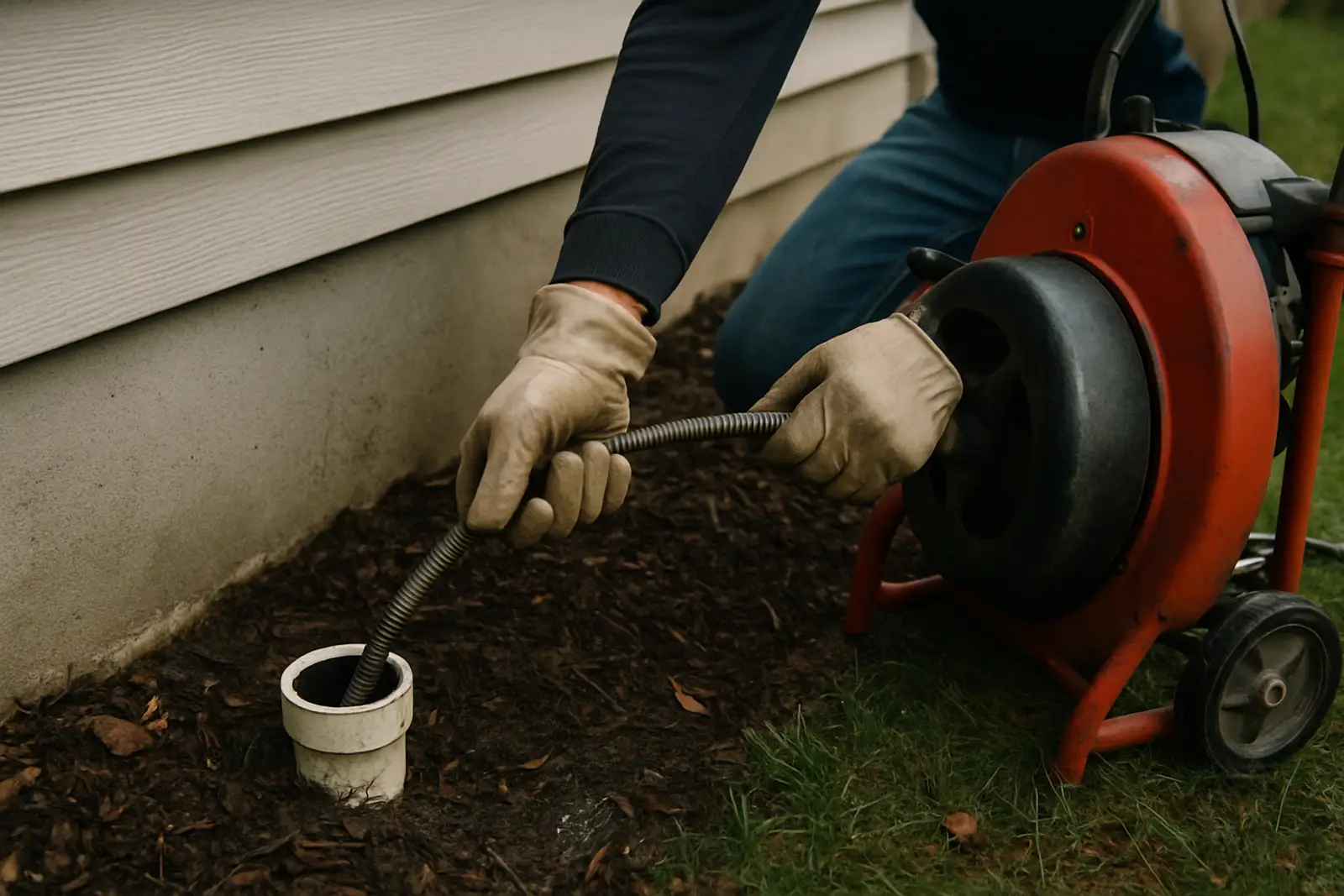
Houses and pipes in Cincinnati
Over-the-Rhine, the West End, Pendleton and Mount Auburn have Italianate rowhouses and tenements from the 1850s through the 1890s, many with deep cellars and very old clay or brick-and-clay sewer connections.
Hilltop neighborhoods like Clifton, Northside, Walnut Hills, East Walnut Hills, Price Hill and Mount Adams were built from the 1870s through the 1920s with Victorians, foursquares and brick homes on steep lots.
Hyde Park, Oakley, Mount Washington, Westwood and College Hill filled in from the 1900s through the 1950s with Tudors, bungalows and colonials over basements.
Much of Cincinnati's older core is served by combined sewers that carry storm water and sewage together, and heavy rain regularly overwhelms them.
Steep hillsides, unstable clay and old landslide areas on the west side can shift and break laterals over time.
Who handles what in Cincinnati
The Metropolitan Sewer District of Greater Cincinnati operates the regional sewer system and treatment plants. Cincinnati homeowners are responsible for the building sewer from the house to the public main, including the tap.
Drain problems Cincinnati homes see most
| Problem | Why it happens here |
|---|---|
| Basement flooding in storms | Combined sewer areas |
| Roots in clay laterals | Clifton, Hyde Park and Northside |
| Broken or shifted laterals | Steep lots and landslide-prone hillsides |
| Cast iron corrosion | Pre-war homes |
| Grease buildup | Over-the-Rhine restaurants and dense housing |
| Frozen lines | Winter cold snaps |
Cincinnati drains through the year
Spring and summer thunderstorms are the biggest threat, sending water into basements across the older city, and roots grow fastest in summer.
Winter freeze-thaw cycles on the hillsides can shift soil and pipe, and cold snaps freeze drains in garages and exterior walls.
What drain cleaning costs in Cincinnati
| Job | Typical range |
|---|---|
| Sink, tub or toilet cleared | $135–$280 |
| Main line cleared from a cleanout | $205–$460 |
| Root cutting | $270–$610 |
| Hydro jetting | $355–$840 |
| Sewer scope inspection | $140–$285 |
| Backwater valve installation | $900–$2,800 |
Newer suburban lines clear quickly. Old Over-the-Rhine cellars, very steep laterals and pipe damaged by hillside movement take longer.
Before the plumber arrives
- 1
Stop water use
Hold off on laundry, showers and dishes.
- 2
Storm in progress?
If neighbors also have water during heavy rain, the combined sewer may be surcharged. MSD has a sewer backup response program.
- 3
Check the cellar
Note whether water is coming up a floor drain, laundry tub or basement toilet.
- 4
Find the cleanout
Usually low on the front basement or cellar wall.
Over-the-Rhine
Over-the-Rhine, just north of downtown, has one of the largest collections of nineteenth-century Italianate architecture in the country. German immigrants built its brick rowhouses and tenements in the mid 1800s, many with deep stone or brick cellars used for storing beer. The neighborhood fell into decline in the twentieth century and has been dramatically restored in recent decades. Sewer connections in these buildings can be very old, sometimes a mix of brick, clay and cast iron. Restorations often include new laterals, but buildings that haven't been fully renovated can have surprises.
Combined sewers
Cincinnati's older neighborhoods are served by combined sewers that carry rain and household waste together. In heavy rain, they overflow into Mill Creek and the Ohio River and can back water into basements. MSD is working through a long-term program to reduce overflows. For homeowners, a backwater valve, a floor drain plug and disconnected downspouts help. MSD's Sewer Backup Response Program can investigate backups caused by public sewer capacity.
Hills and steep laterals
Cincinnati is famous for its hills, and many homes sit on steep lots in Clifton, Mount Adams, Price Hill, Northside and Walnut Hills. Laterals drop steeply to the street, sometimes thirty or forty feet in elevation. On very steep runs, water outruns solids, leaving paper and waste behind. Long, steep laterals also have more joints for roots to find. Jetting cleans them thoroughly.
Landslides and shifting pipe
Parts of Cincinnati, especially on the west side and along the river hillsides, sit on clay and shale that slowly slide downhill. That movement can crack and separate sewer laterals over years. If a line keeps clogging or the camera shows a joint pulled apart, hillside movement may be the cause. Repairs on unstable slopes may require extra care.
A typical Cincinnati call
After a July thunderstorm, a family in a 1905 brick home in Northside finds water rising from the basement floor drain. The plumber opens the front-wall cleanout and clears roots about forty feet out, where the lateral passes under a big maple. The camera shows a cracked clay joint and an offset where the hillside has shifted the pipe slightly. The family asks for a quote to line the section and reports the backup to MSD to see whether the public sewer was surcharged.
Clifton and the University of Cincinnati
Clifton, home to the University of Cincinnati, has grand Victorian homes on its gaslit streets and many older houses converted to student rentals in the blocks near campus. Heavy use by students and old clay laterals under big trees make clogs common. Landlords who jet lines before fall semester avoid many emergencies.
Hyde Park and the east side
Hyde Park, Oakley and Mount Lookout have early 1900s homes on tree-lined streets, many with finished basements. Clay laterals and big trees mean roots are a frequent cause of backups. Owners often invest in lining to protect finished lower levels.
West side neighborhoods
Westwood, Price Hill, Cheviot's edges and College Hill have a mix of older homes and postwar houses on hilly streets. Cast iron and clay laterals, steep slopes and hillside movement all contribute to sewer problems.
Chili parlors and Findlay Market
Cincinnati's chili parlors, the restaurants around Findlay Market and Over-the-Rhine's Vine Street, and kitchens across the city put a lot of grease into the sewers. Commercial kitchens need grease interceptors pumped regularly and lines jetted on a set schedule.
Ohio River winters
Cincinnati's winters bring freeze-thaw cycles and occasional hard cold. Drains in garages, enclosed porches and exterior walls freeze first, and freeze-thaw cycles on hillsides can shift soil around pipes. Wrap exposed pipe and let faucets drip on the coldest nights.
Calling a Cincinnati plumber
Give your neighborhood and the home's age, how steep the lot is and whether there's a basement or cellar. Mention whether it rained hard, whether neighbors also have water and whether the hillside has shown signs of movement.
Cincinnati ZIP codes
- 45202
- 45203
- 45204
- 45205
- 45206
- 45207
- 45208
- 45209
- 45211
- 45212
- 45213
- 45214
- 45215
- 45216
- 45217
- 45218
- 45219
- 45220
- 45223
- 45224
- 45225
- 45226
- 45227
- 45229
- 45230
- 45231
- 45232
- 45233
- 45236
- 45237
- 45238
- 45239
- 45240
- 45241
- 45242
- 45243
- 45244
- 45245
- 45246
- 45247
- 45248
- 45249
- 45251
- 45252
- 45255
- 45267
Cincinnati drain questions
Who handles sewer in Cincinnati?+
The Metropolitan Sewer District of Greater Cincinnati. Your building sewer to the main is your responsibility.
Does MSD help with basement backups?+
MSD has a Sewer Backup Response Program that can investigate backups caused by public sewer capacity and, in some cases, install backflow devices or help with cleanup.
Can hillside movement break a sewer line?+
Yes. Slow soil movement on Cincinnati's steep slopes can shift, crack or separate laterals over time.
Should I scope the line before buying in Cincinnati?+
Yes, especially for older homes on hillsides or in Over-the-Rhine.