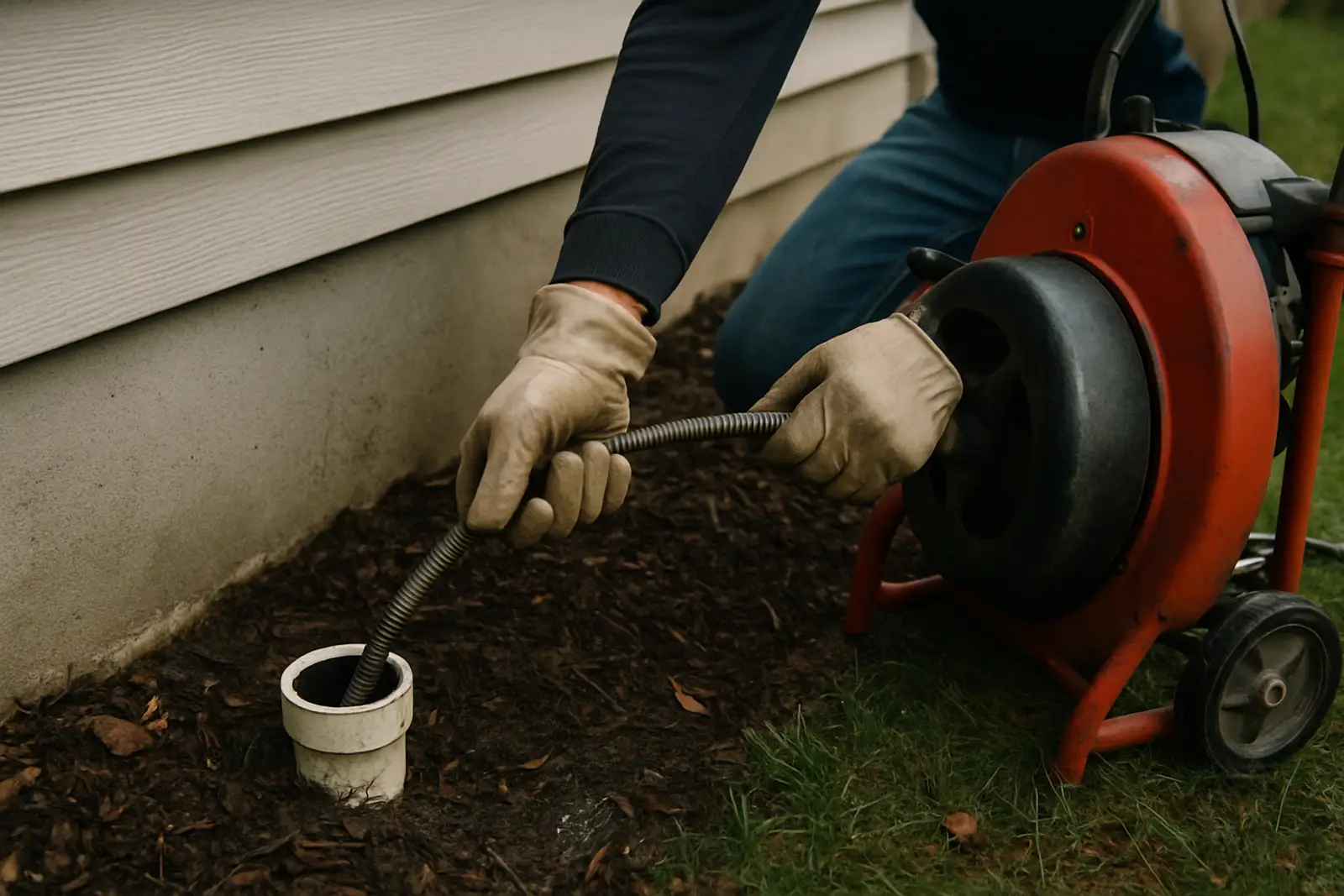
Houses and pipes in Louisville
Old Louisville, one of the largest Victorian neighborhoods in the country, along with Butchertown, Germantown, Schnitzelburg and Portland, has homes from the 1860s through the 1910s, with basements or crawlspaces and clay laterals.
The Highlands, Crescent Hill, Clifton and the neighborhoods along Bardstown Road and Frankfort Avenue were built from the 1880s through the 1930s.
The South End and neighborhoods like Beechmont, Iroquois and Shively filled in from the 1920s through the 1960s with bungalows and ranches.
The East End and suburban Jefferson County grew from the 1950s onward with ranches, split-levels and newer subdivisions.
About a third of the urban core has combined sewers, and the Metropolitan Sewer District built the Waterway Protection Tunnel to reduce overflows into the Ohio River and Beargrass Creek.
Who handles what in Louisville
Louisville MSD, the Metropolitan Sewer District, runs the wastewater system for Louisville and Jefferson County. Homeowners own the private lateral from the house to the public sewer.
Drain problems Louisville homes see most
| Problem | Why it happens here |
|---|---|
| Basement flooding in storms | Combined sewer neighborhoods |
| Roots in clay laterals | Old Louisville, the Highlands and Crescent Hill |
| Shotgun house lines | Germantown, Schnitzelburg and Portland |
| Cast iron corrosion | Century-old homes |
| Karst and sinkholes | Limestone areas |
| Grease and wipes | Busy kitchens and rentals |
Louisville drains through the year
Spring and summer thunderstorms overload the combined sewers and flood low basements, and roots grow fastest in summer. Derby season in late April and early May fills restaurants and rentals.
Winter cold snaps freeze pipes in crawlspaces, back additions and exterior walls of shotgun houses.
What drain cleaning costs in Louisville
| Job | Typical range |
|---|---|
| Sink, tub or toilet cleared | $130–$275 |
| Main line cleared from a cleanout | $195–$440 |
| Root cutting | $255–$590 |
| Hydro jetting | $335–$805 |
| Sewer camera inspection | $135–$280 |
| Backwater valve installation | $850–$2,650 |
East End homes with an outside cleanout are the quick ones. Century-old clay under Old Louisville's trees, shotgun houses with no cleanout and combined sewer areas take longer.
Before the plumber arrives
- 1
Stop running water
Hold off on laundry, dishes and showers.
- 2
Storm happening?
When half the block has a wet basement during a downpour, the problem is usually MSD's combined sewer, not your line. MSD has programs for backup prevention.
- 3
Basement or crawlspace?
Watch the floor drain in a basement; in a shotgun on a crawlspace, the tub usually fills first.
- 4
Find the cleanout
Older homes may have one in the basement or none at all.
Old Louisville
Old Louisville, just south of downtown, has about 48 blocks of Victorian mansions and row houses built from the 1870s through the 1900s, many with basements. Big trees line the streets and fill the courtyards like St. James Court. Clay laterals under those trees are often original, and roots are the leading cause of backups. Many large homes have been divided into apartments, adding heavy use.
Shotgun houses
Germantown, Schnitzelburg, Butchertown, Portland and other older neighborhoods are full of shotgun houses, narrow homes one room wide and several rooms deep, built for German, Irish and working families in the late 1800s and early 1900s. Most sit on crawlspaces or shallow basements, with the bathroom and kitchen at the back and a long lateral running to the street or alley. Long runs give roots more chances, and some homes have no cleanout.
Combined sewers and the tunnel
Louisville's urban core has combined sewers that carry rain and wastewater together, and for decades they overflowed into the Ohio River and Beargrass Creek during storms. MSD built the Waterway Protection Tunnel, a four-mile tunnel 200 feet underground, and other storage basins to capture overflow. Local sewers can still surcharge in big storms, and low basements can take on water. Backflow devices help.
The Highlands and Crescent Hill
The Highlands, along Bardstown Road, and Crescent Hill, along Frankfort Avenue, have Victorian homes, bungalows and Tudors from the 1880s through the 1930s on tree-lined streets. Clay laterals and big trees mean roots. Some neighborhoods sit near Beargrass Creek, where flooding is a risk.
A typical Louisville call
After a June thunderstorm, a family in an 1895 shotgun house in Germantown sees the bathtub fill with dirty water. There's no outside cleanout, so the plumber goes under the house, opens the line and cables toward the street, cutting roots from a big maple about forty feet out. The camera shows cracked clay. They add a cleanout and plan a liner.
Karst and sinkholes
Parts of Louisville and Jefferson County sit on limestone karst with sinkholes. When the limestone dissolves under a lateral, the pipe loses its support and can sag or snap. If the ground sinks over the sewer path, have it inspected.
The South End
Beechmont, Iroquois, Shively and the South End filled in from the 1920s through the 1960s with bungalows and ranches for workers at the Ford, GE Appliance Park and distillery plants. Their cast iron and clay pipe is now seventy to a hundred years old, and scale inside and roots outside are what the camera usually finds.
Derby season and bourbon
The Kentucky Derby brings huge crowds in late April and early May, and restaurants, bars and short-term rentals run at capacity. Bourbon distilleries and the restaurants along Whiskey Row, NuLu and Bardstown Road put a lot of waste into the system. Kitchens that pump their interceptors ahead of Derby week rarely shut down during it.
The 1937 flood
The Ohio River flood of 1937 put about 70 percent of Louisville under water, and the floodwall and levee system built afterward protects much of the city. Behind the floodwall, storm water must be pumped over during high water, and local sewers can back up when the river is high and it rains hard.
East End and newer homes
The East End and suburban Jefferson County have ranches, split-levels and newer subdivisions with cast iron, early plastic or PVC drains. Calls there are mostly about grease, wipes and roots in older lines.
Winter
Louisville winters bring cold snaps and occasional ice storms. Shotgun houses with crawlspaces and back additions are vulnerable. Close crawlspace vents and keep a faucet dripping on the coldest nights.
In older homes, the kitchen and bathroom at the back often sit over an unheated addition, so those pipes freeze long before the ones in the front rooms.
Helpful details
Share the neighborhood, the home's type and age, whether it has a basement or crawlspace and whether there's a cleanout. Mention whether a storm came first.
Louisville ZIP codes
- 40041
- 40202
- 40203
- 40204
- 40205
- 40206
- 40207
- 40208
- 40209
- 40210
- 40211
- 40212
- 40213
- 40214
- 40215
- 40216
- 40217
- 40218
- 40219
- 40220
- 40221
- 40222
- 40223
- 40228
- 40229
- 40241
- 40242
- 40243
- 40245
- 40258
- 40272
- 40280
- 40291
- 40299
Louisville drain questions
Who handles sewer in Louisville?+
Louisville MSD runs the public system. The private lateral belongs to the homeowner.
What is the Waterway Protection Tunnel?+
A four-mile tunnel under the city, completed in 2021, that stores combined sewer overflow during storms instead of letting it spill into the Ohio River.
Does MSD help with basement backups?+
MSD has offered programs like backflow prevention device installation for eligible homes in backup-prone areas. Check with MSD for current eligibility.
Is a sewer scope worth it before buying an older Louisville home?+
Yes, especially in Old Louisville, Germantown and the Highlands.