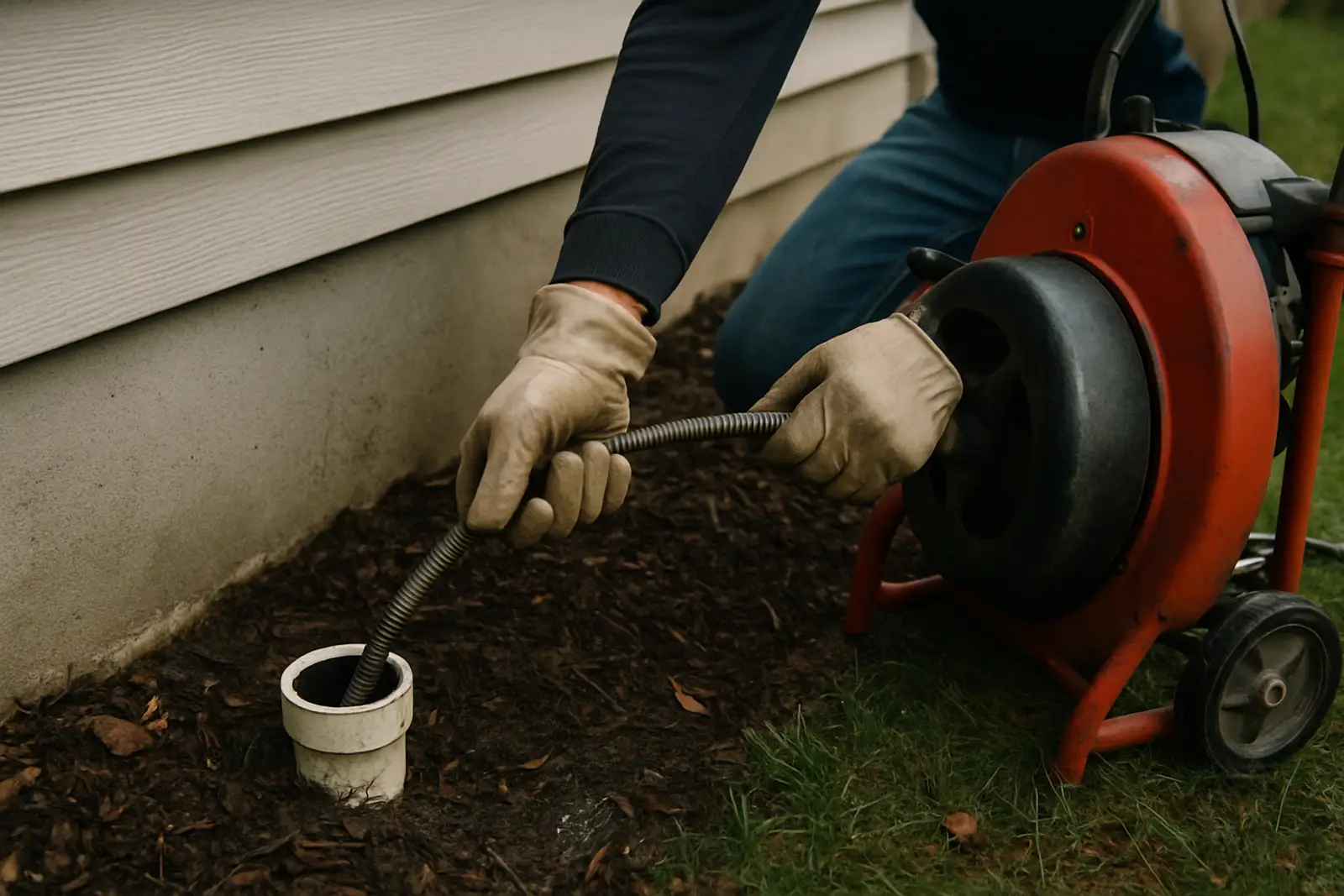
Houses and pipes in Portland
Inner Southeast and Northeast Portland, including Laurelhurst, Irvington, Sellwood, Hawthorne, Alberta and Woodstock, have Craftsman bungalows, foursquares and Old Portland homes from the 1900s through the 1930s, most with basements.
North Portland, including St. Johns, Kenton and Overlook, has bungalows and cottages from the 1900s through the 1940s.
Southwest Portland's hills and East Portland beyond I-205 were built mostly from the 1940s through the 1970s, with ranches and daylight basements.
Many older homes have clay or concrete sewer laterals, and some neighborhoods still share laterals between houses.
About a third of the city, mostly the older east side and downtown, has combined sewers, and the Big Pipe project built large tunnels under the Willamette and Columbia Slough to capture overflows.
Who handles what in Portland
Portland's Bureau of Environmental Services runs the city's sewers and treatment plants. Portland property owners own and maintain the sewer lateral from the house to the property line or main, depending on the location; BES can confirm where the public portion begins.
Drain problems Portland homes see most
| Problem | Why it happens here |
|---|---|
| Roots in clay and concrete laterals | Laurelhurst, Irvington and Sellwood |
| Basement backups in heavy rain | Combined sewer neighborhoods |
| Shared laterals | Older inner east side blocks |
| Cracked and offset pipe | Century-old lines |
| Grease and wipes | Busy kitchens and rentals |
| Steep laterals | Southwest hills |
Portland drains through the year
From October through May, Portland's long rainy season soaks the ground and loads older sewers, and roots grow fastest in spring and early summer.
Occasional winter freezes and ice storms, like January 2024, can freeze pipes in garages, crawlspaces and exterior walls.
What drain cleaning costs in Portland
| Job | Typical range |
|---|---|
| Sink, tub or toilet cleared | $150–$310 |
| Main line cleared from a cleanout | $225–$495 |
| Root cutting | $295–$655 |
| Hydro jetting | $385–$905 |
| Sewer camera inspection | $155–$310 |
| Cleanout installation | $750–$2,150 |
East Portland's postwar homes with an outside cleanout go fastest. Century-old clay under big street trees, shared laterals and basements without a cleanout take longer.
Before the plumber arrives
- 1
Hold off on water
Pause laundry, dishes and showers.
- 2
Heavy rain?
During a downpour in the older east side, a backup may be the public sewer surcharging; report it to BES.
- 3
Check the basement
In a Portland bungalow, the basement floor drain by the laundry is almost always where a lateral backup shows up first.
- 4
Find the cleanout
Older homes may only have one in the basement, if at all.
Bungalow neighborhoods
Portland's inner east side boomed in the early 1900s after the 1905 Lewis and Clark Exposition, and builders filled Laurelhurst, Irvington, Sellwood, Hawthorne, Woodstock and Alberta with Craftsman bungalows and foursquares. Most have basements and clay or concrete laterals. The elms, maples, sweetgums and oaks planted along the parking strips are now enormous, and their roots have filled many laterals.
The rain
Portland gets about 36 inches of rain a year, mostly from October through May, often as steady drizzle that soaks the ground for weeks. Cracked laterals take in groundwater, and in combined sewer areas, heavy storms can surcharge the public system. A backwater valve helps protect finished basements.
The Big Pipe
Portland's combined sewers once overflowed into the Willamette River and Columbia Slough with about every quarter inch of rain. Between 1991 and 2011, the city built the Big Pipe, a set of large tunnels to capture overflows, and added green streets and downspout disconnections. Overflows dropped by about 94 percent. Homeowners can still help by keeping downspouts disconnected from the sewer.
Shared laterals
Some older Portland neighborhoods have houses that share a lateral with a neighbor before it reaches the main. When the shared section clogs, both houses are affected. Knowing whether your lateral is shared, and having an agreement with your neighbor, makes repairs easier.
A typical Portland call
On a wet November evening, a family in a 1915 bungalow in Sellwood finds water spreading from the basement floor drain while the dishwasher runs. The plumber opens the basement cleanout and clears roots about forty feet out, near a huge maple in the parking strip. The scope shows cracked concrete pipe. They plan a liner.
North Portland
St. Johns, Kenton, Overlook and Arbor Lodge have bungalows and cottages built for shipyard and industrial workers. Old clay laterals and big trees mean roots. St. Johns sits near the Willamette and Columbia Slough, where groundwater is higher.
Southwest hills
Southwest Portland's hills have homes on steep, wooded lots, often with long laterals running downhill to the street. Steep runs can leave solids behind, and landslide-prone slopes can shift pipe. Some homes below the street rely on pumps.
East Portland
East Portland, beyond I-205, was annexed in the 1980s and 1990s, and many neighborhoods there were on septic until the city extended sewers. Homes from the 1950s through the 1970s have ranch layouts with cast iron and concrete laterals now aging.
Sewer scopes
Sewer scopes are a routine part of buying a home in Portland, and they often find roots, cracks or offsets in older laterals. Watch the video, ask whether the lateral is shared and get a repair estimate before closing.
Restaurants and food carts
Portland's restaurants and famous food cart pods, from Alberta and Mississippi to Division and downtown, produce a lot of grease. BES requires grease interceptors for food service, and pumping them on schedule prevents backups.
Ice storms
Portland rarely freezes hard, but east wind out of the Columbia Gorge can bring ice storms and days below freezing. Pipes in garages, crawlspaces and exterior walls freeze first. Close crawlspace vents and leave a faucet dripping during a freeze.
Downspout disconnection
Over two decades, Portland disconnected tens of thousands of downspouts from the combined sewer, sending roof water into yards instead. If your downspouts still drain into the sewer, disconnecting them reduces the load on your lateral and the public system.
Make sure disconnected downspouts drain away from the foundation, or the water will end up in the basement instead.
Information to share
Say which neighborhood you're in and the home's age, whether it has a basement and cleanout, whether the lateral is shared and whether it rained hard first.
Portland ZIP codes
- 97201
- 97202
- 97203
- 97204
- 97205
- 97206
- 97208
- 97209
- 97210
- 97211
- 97212
- 97213
- 97214
- 97215
- 97216
- 97217
- 97218
- 97219
- 97220
- 97221
- 97222
- 97223
- 97224
- 97225
- 97227
- 97229
- 97230
- 97231
- 97232
- 97233
- 97236
- 97239
- 97258
- 97266
- 97267
Portland drain questions
Who handles sewer in Portland?+
The Bureau of Environmental Services runs the public system. Property owners maintain their private lateral; BES can tell you where the public part starts on your property.
What was the Big Pipe project?+
A set of large tunnels under the Willamette River and Columbia Slough, finished in 2011, that captures combined sewer overflows and reduced them by about 94 percent.
What is a shared lateral?+
Some older Portland houses share one sewer lateral with a neighbor before it reaches the main. Both owners are responsible for the shared section.
Should I get a camera inspection before buying in Portland?+
Yes. Sewer scopes are standard in Portland home sales, and older laterals often have roots or cracks.