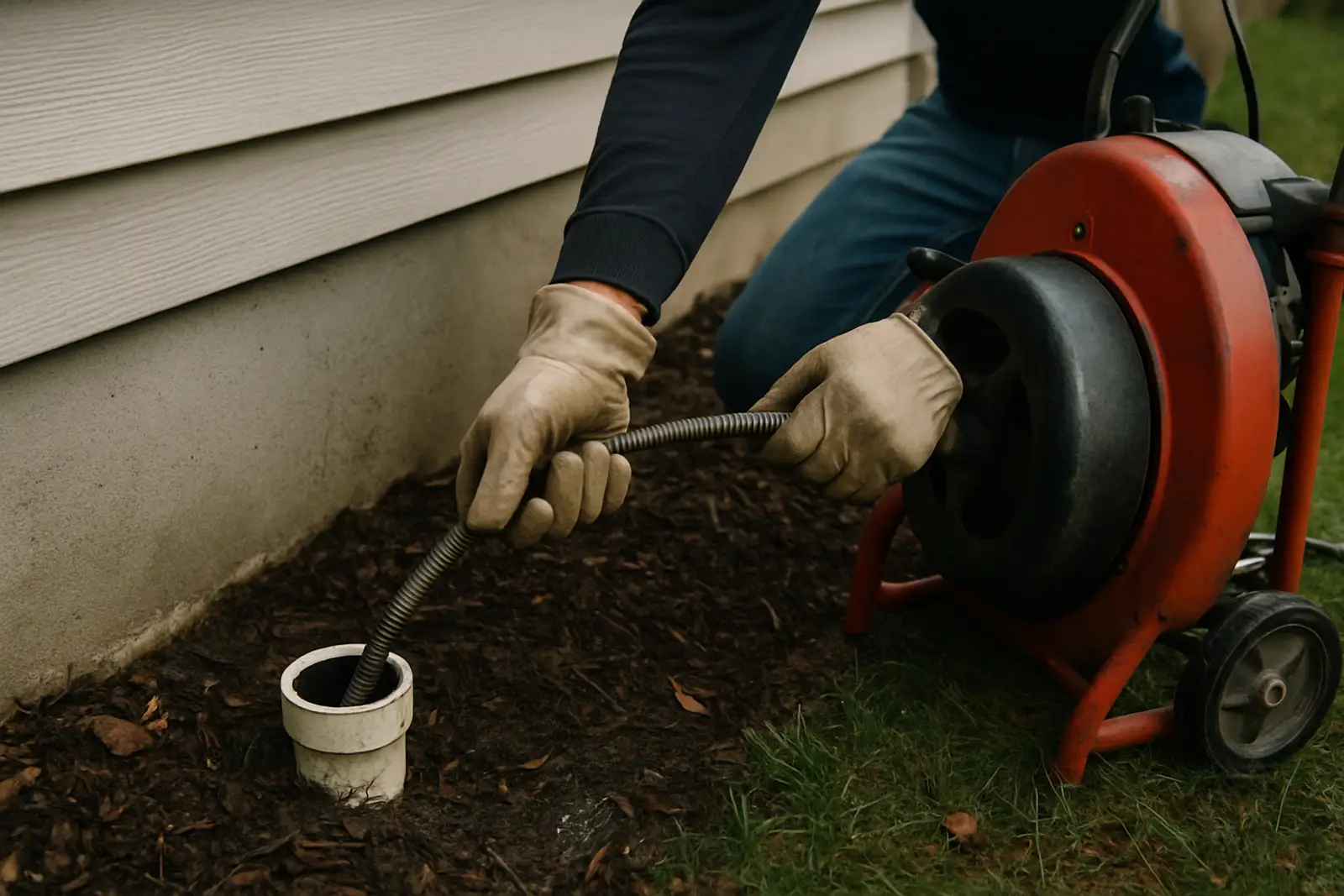
Houses and pipes in Vancouver
Downtown, Arnada, Hough, Carter Park and the neighborhoods near Officers Row have homes from the 1890s through the 1930s, many with basements and clay side sewers.
The neighborhoods built for World War II shipyard workers, including parts of the Rose Village, Fourth Plain and McLoughlin Heights areas, have small homes from the 1940s with aging sewer lines.
Postwar neighborhoods built from the 1950s through the 1970s spread east and north with ranches and split-levels, many on crawlspaces.
East Vancouver and the areas toward Camas and the 192nd Avenue corridor have grown from the 1990s onward with PVC drains, and some older parts of the county were converted from septic to sewer.
The city sits on the north bank of the Columbia River, with rainy winters, dry summers and soils ranging from river sand to dense clay.
Who handles what in Vancouver
The City of Vancouver provides sewer service in most of the city, and Clark Regional Wastewater District serves much of unincorporated Clark County. The side sewer from the house to the public main is the property owner's to maintain.
Drain problems Vancouver homes see most
| Problem | Why it happens here |
|---|---|
| Roots in clay pipe | Historic neighborhoods near downtown |
| Aging wartime lines | 1940s shipyard housing |
| Septic-to-sewer transitions | Older east county areas |
| Grease and wipes | Busy family households |
| Crawlspace drain leaks | Postwar homes |
| Rain infiltration | Winter wet season |
Vancouver drains through the year
Steady rain from October through April soaks the ground and leaks into old side sewers, and roots grow fastest from spring into summer.
East wind out of the Columbia River Gorge can bring sudden freezes in winter, freezing drains in garages and crawlspaces.
What drain cleaning costs in Vancouver
| Job | Typical range |
|---|---|
| Sink, tub or toilet cleared | $140–$290 |
| Main line cleared from a cleanout | $210–$465 |
| Root cutting | $275–$620 |
| Hydro jetting | $360–$850 |
| Sewer scope inspection | $145–$290 |
| Cleanout installation | $650–$1,900 |
Newer east Vancouver homes clear quickly. Old clay near downtown, wartime lines and crawlspace access take longer.
Before the plumber arrives
- 1
Stop the water
Pause showers, laundry and the dishwasher.
- 2
Check the lowest drain
Water at a basement floor drain or lowest shower points to the main.
- 3
Crawlspace home?
If you hear dripping or smell sewage under the house, mention it.
- 4
Find the cleanout
Usually outside near the foundation or by the front walk.
The historic core
Vancouver grew around Fort Vancouver and the Columbia River, and the neighborhoods near downtown, Officers Row, Arnada, Hough and Carter Park have homes from the late 1800s through the 1930s. Many have basements and clay tile side sewers under large street trees. Roots, cracks and offsets are common findings on a camera inspection.
The Kaiser shipyards
During World War II, the Kaiser shipyards in Vancouver employed tens of thousands of workers, and the government built housing for them fast. Much of that temporary housing is gone, but neighborhoods built during and right after the war still have small homes with sewer lines that are eighty years old. Those lines often have cracks, roots and sags.
Postwar ranches and crawlspaces
From the 1950s through the 1970s, Vancouver spread north and east with ranch homes and split-levels, many built over crawlspaces rather than basements. Drain lines run through the crawlspace before exiting to the side sewer, and those lines can sag, leak or separate over time. A leak under the house may go unnoticed until there's a smell or a backup.
East county and septic conversions
As Clark County grew, many homes built on septic systems were later connected to public sewer. Those conversions sometimes left old pipe, unusual connections or abandoned tanks near the line. Newer subdivisions toward Camas and along the 192nd Avenue corridor have PVC drains and fewer problems, mostly grease and wipes.
A typical Vancouver call
On a wet February evening, a family in a 1948 home near Fourth Plain Boulevard notices the bathtub filling with gray water when the washer drains. The plumber opens the outdoor cleanout and finds roots about thirty feet out, plus a sag where the old pipe has settled. After clearing the line, the camera shows cracked joints. The family schedules a spot repair and annual jetting.
Rain and side sewers
Vancouver's rainy season soaks the ground for months, and cracked side sewers let water in. That extra water adds to the flow and can push sewage back up in low fixtures. Repairing cracked pipe and making sure downspouts aren't connected to the sewer helps.
Gorge wind and freezes
When cold east wind blows out of the Columbia River Gorge, Vancouver can get sudden freezes with ice storms. Drains in garages and crawlspaces freeze first. Close crawlspace vents in winter, wrap exposed pipe and let faucets drip during a hard freeze.
Restaurants and the waterfront
Vancouver's new waterfront development and downtown restaurants, along with the busy corridors along Fourth Plain, Mill Plain and 164th Avenue, have many commercial kitchens. Grease interceptors pumped on schedule and lines jetted regularly prevent backups.
Families and busy kitchens
Many Vancouver households are young families who moved north for space and lower costs. Grease, wipes and kids' bathrooms produce most clogs. Shower strainers and a grease can by the stove prevent many calls.
Clay soil and slow drainage
Much of Clark County sits on dense clay and old flood deposits that hold water through the wet season. Yards stay soggy for weeks, and the ground around a cracked side sewer stays saturated, letting water seep into the pipe at every open joint. In summer the same clay dries hard and shrinks, which can pull joints apart a little more each year. Homes near the Columbia and in low spots along Burnt Bridge Creek see the most of this movement, and a camera inspection usually shows it as offset joints with roots growing in the gaps.
Portland commuters and remodels
Many Vancouver homeowners commute across the I-5 or I-205 bridges to Portland, and a lot of older homes here have been remodeled by owners who added bathrooms, moved kitchens or finished basements. New fixtures tied into an old side sewer increase the load on pipe that was sized for a much smaller house. If clogs started after a remodel, mention it, because the connection between new and old pipe is a common trouble spot.
A sewer scope before you buy
Whether it's a downtown bungalow, a wartime home or a postwar ranch, a sewer scope before purchase is worth it. Ask whether the home was ever on septic, look for roots and sags in the video, and check crawlspace drain lines during the inspection.
Calling a Vancouver plumber
Share the neighborhood and the home's age, whether there's a basement or crawlspace and whether the home was ever on septic. Mention where the water appeared, big trees near the line and whether the trouble started during heavy rain.
Vancouver ZIP codes
- 98660
- 98661
- 98662
- 98663
- 98664
- 98665
- 98682
- 98683
- 98684
- 98685
- 98686
Vancouver drain questions
Who handles sewer in Vancouver?+
The City of Vancouver in most of the city and Clark Regional Wastewater District in much of the unincorporated area. The side sewer is the owner's.
My house was on septic before. Does that matter?+
Sometimes. Homes converted from septic may have old pipe, awkward connections or a buried tank near the line. A camera inspection shows the layout.
Do crawlspace homes have different problems?+
Drain lines in crawlspaces can sag, leak or freeze. A plumber can inspect them while clearing the main.
Should I scope the sewer before buying in Vancouver?+
Yes, especially for homes built before 1980.