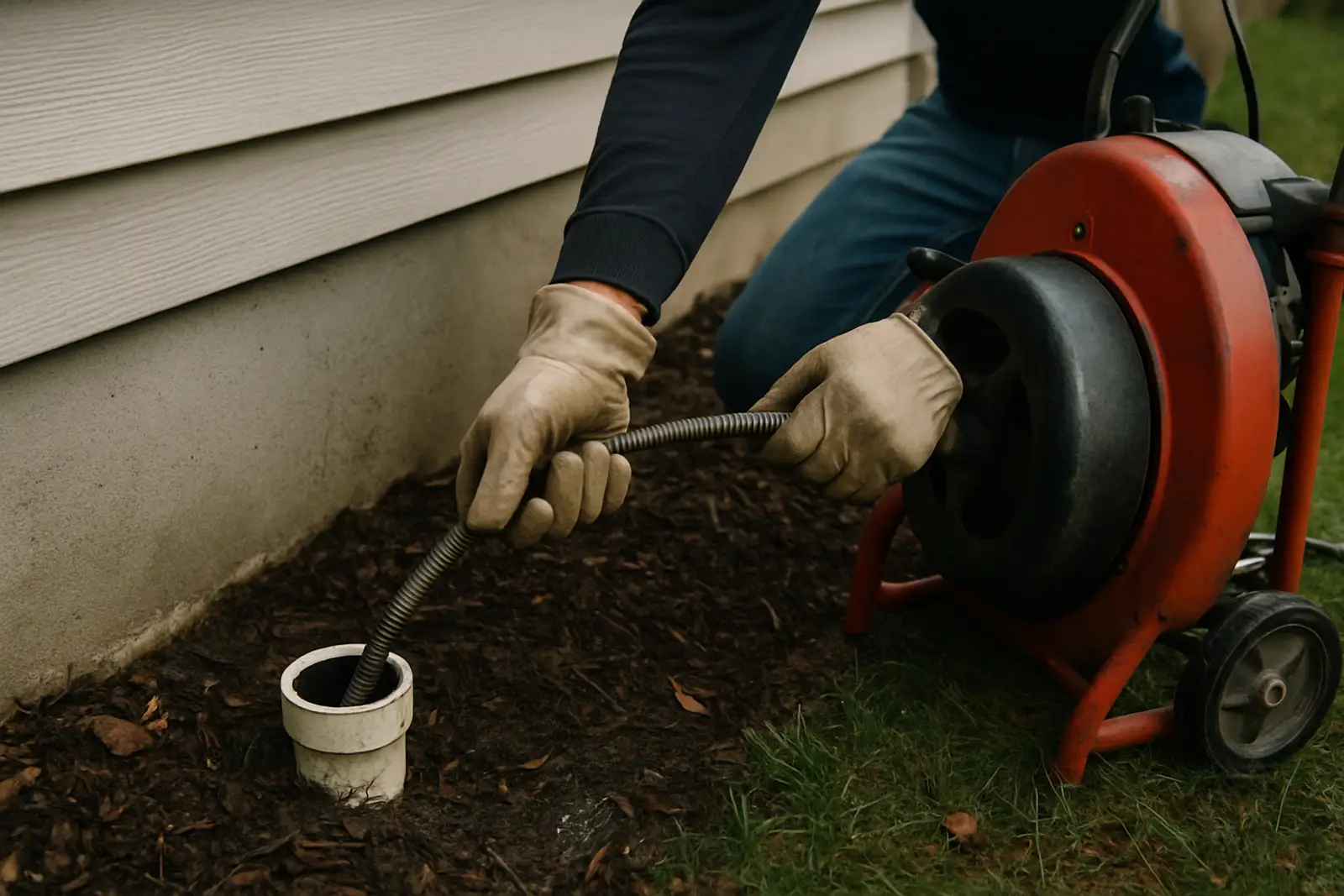
Houses and pipes in Tacoma
The North End, Stadium District, Proctor and the Hilltop have homes from the 1880s through the 1930s, including Victorians, Craftsmans and foursquares, most with basements and clay tile side sewers.
The South End, Lincoln District and Fern Hill filled in from the 1910s through the 1950s with bungalows, cottages and small postwar homes.
East Tacoma, the Eastside and much of the West End were built in the 1940s through the 1970s with ranches, daylight basements and split-levels.
Newer homes and townhomes have filled in across the city since the 1990s, often with new PVC tied into old side sewers.
Much of Tacoma sits on steep slopes above Commencement Bay and the Puyallup River tideflats, with heavy winter rain and glacial soils that drain slowly.
Who handles what in Tacoma
Tacoma's Environmental Services department runs the city's wastewater system and treatment plants. Tacoma homeowners own the side sewer that carries waste from the house to the public main.
Drain problems Tacoma homes see most
| Problem | Why it happens here |
|---|---|
| Roots in clay side sewers | North End and Hilltop |
| Cracked and offset pipe | Steep hillside lots |
| Basement backups in rainy months | Older homes with floor drains |
| Grease and wipes | Rentals and busy kitchens |
| Cast iron scale | Postwar homes |
| Freezes | Rare cold snaps |
Tacoma drains through the year
From October through April, steady rain saturates the hills and leaks into cracked side sewers, while spring and summer bring the fastest root growth.
Occasional winter cold snaps with snow can freeze drains in garages and crawlspaces in homes built for mild weather.
What drain cleaning costs in Tacoma
| Job | Typical range |
|---|---|
| Sink, tub or toilet cleared | $150–$315 |
| Side sewer cleared from a cleanout | $230–$505 |
| Root cutting | $300–$665 |
| Hydro jetting | $395–$915 |
| Side sewer camera inspection | $160–$320 |
| Cleanout installation | $700–$2,050 |
Newer lines clear quickly. Century-old clay on steep North End lots and side sewers without a cleanout take longer.
Before the plumber arrives
- 1
Stop using water
Pause the washer, dishwasher and showers.
- 2
Look in the basement
Gray water at the basement floor drain points to a blocked side sewer.
- 3
Rental?
Let your landlord or property manager know right away.
- 4
Find the cleanout
Check the foundation outside, the basement or a small box near the sidewalk.
The North End and Stadium District
When the Northern Pacific chose Tacoma as its western terminus in 1873, the city boomed, and the wealthy built Victorians and Craftsmans in the Stadium District and the North End, near Stadium High School and Wright Park. Those homes have clay tile side sewers that run down steep lots to mains in the street or alley. Street trees planted generations ago have grown huge, and their roots have found many of the joints. Lining is popular here because it avoids digging up historic yards and retaining walls.
Proctor and the West End
Proctor's shops and the surrounding streets of 1910s and 1920s bungalows give the North End a small-town feel. Farther west, the West End toward Point Defiance filled in after World War II with ranches and daylight basement homes. Older lines in Proctor tend to have roots, while postwar homes often show cast iron scale under the slab and clay or concrete side sewers with a root joint or two.
The Hilltop
The Hilltop, above downtown, has old homes from the late 1800s and early 1900s, many divided into apartments over the decades. The neighborhood is changing quickly with new construction near the Link light rail extension. Old clay side sewers, heavy use and new connections tied into old pipe are common sources of trouble.
Rain on the hills
Tacoma's steep slopes and slow-draining glacial soils hold water through the long rainy season. Cracked side sewers let groundwater in, adding to the flow and sometimes pushing water back into basements. Older homes may also have downspouts tied into the sewer. Disconnecting them and repairing cracked pipe reduces the load.
A typical Tacoma call
On a rainy January night, a family in a 1912 foursquare near Wright Park sees water rising through the basement floor drain while the dishwasher runs. The plumber opens the outdoor cleanout and clears roots about forty-five feet out, where a big maple shades the planting strip. The camera shows cracked clay and a separated joint near the street. The family books lining and pulls a permit for the work.
Steep side sewers
Many Tacoma homes sit high above the street, and their side sewers drop steeply to reach the main. On very steep runs, water outruns solids and leaves paper and waste behind, especially at the bottom where the slope flattens. Long, steep lines also give roots more chances to get in. Jetting cleans these lines thoroughly, and a camera inspection shows any sags or breaks.
The South End and Eastside
Tacoma's South End, Lincoln District and Eastside neighborhoods have a mix of early 1900s cottages and postwar homes, many now home to large families and multiple households. Grease, wipes and hair are the most common causes of clogs, along with roots in older clay side sewers.
Restaurants and the Lincoln District
The Lincoln District's Vietnamese and Asian restaurants, downtown's dining scene and the busy strip along Sixth Avenue all have commercial kitchens, many in older buildings on old lines. Grease interceptors pumped on a set schedule and regular jetting keep them open through the weekend rush.
Cold snaps
Tacoma rarely sees a hard freeze, but when one comes, homes built for mild weather can have trouble. Drains in garages, crawlspaces and exterior walls freeze first. Wrap exposed pipe and let faucets drip during a freeze.
Tideflats, the Port and low ground
Below the hills, the Port of Tacoma and the Puyallup River tideflats are industrial, but neighborhoods on the lower slopes near the Dome District and along Pacific Avenue sit on fill and soft soils that settle. Side sewers in settling ground sag over time, forming low spots where grease and paper collect. A line that clears easily but backs up again a few months later often has one of these bellies, and the camera footage will show standing water in the pipe where the ground has sunk.
Daylight basements
Postwar Tacoma builders loved the daylight basement, a lower level that is underground on the uphill side and opens to the yard on the downhill side. The laundry, a bathroom and a rec room often sit down there, and their drains are the lowest in the house. When the side sewer slows, the lower bathroom shower or the laundry standpipe is where homeowners first see water. If the lower fixtures sit below the street main, an ejector pump may be involved too.
Buying an older Tacoma home
A side sewer camera inspection is standard practice here and well worth the money on any home built before 1970. Look for roots, cracks, offsets and sags, and ask how far the camera traveled. On steep lots, ask whether the line runs to the street or the alley.
Calling a Tacoma plumber
Mention your neighborhood and when the house was built, whether there's a basement or daylight basement, and where the side sewer exits. Note any big street trees, how steep the lot is and whether the trouble started during heavy rain.
Tacoma ZIP codes
- 98402
- 98403
- 98404
- 98405
- 98406
- 98407
- 98408
- 98409
- 98416
- 98418
- 98421
- 98422
- 98424
- 98433
- 98443
- 98444
- 98445
- 98446
- 98447
- 98465
- 98466
Tacoma drain questions
Who owns the side sewer in Tacoma?+
The homeowner owns the side sewer from the house to the public main.
Why do North End homes have so many root clogs?+
Clay side sewers laid more than a century ago run under big street trees, and roots enter at every joint.
Can a side sewer be fixed without digging up the hill?+
Often, yes. Lining or pipe bursting can renew a side sewer through small access points.
Should I scope the side sewer before buying in Tacoma?+
Yes. It's a standard part of buying older homes in the Puget Sound area.