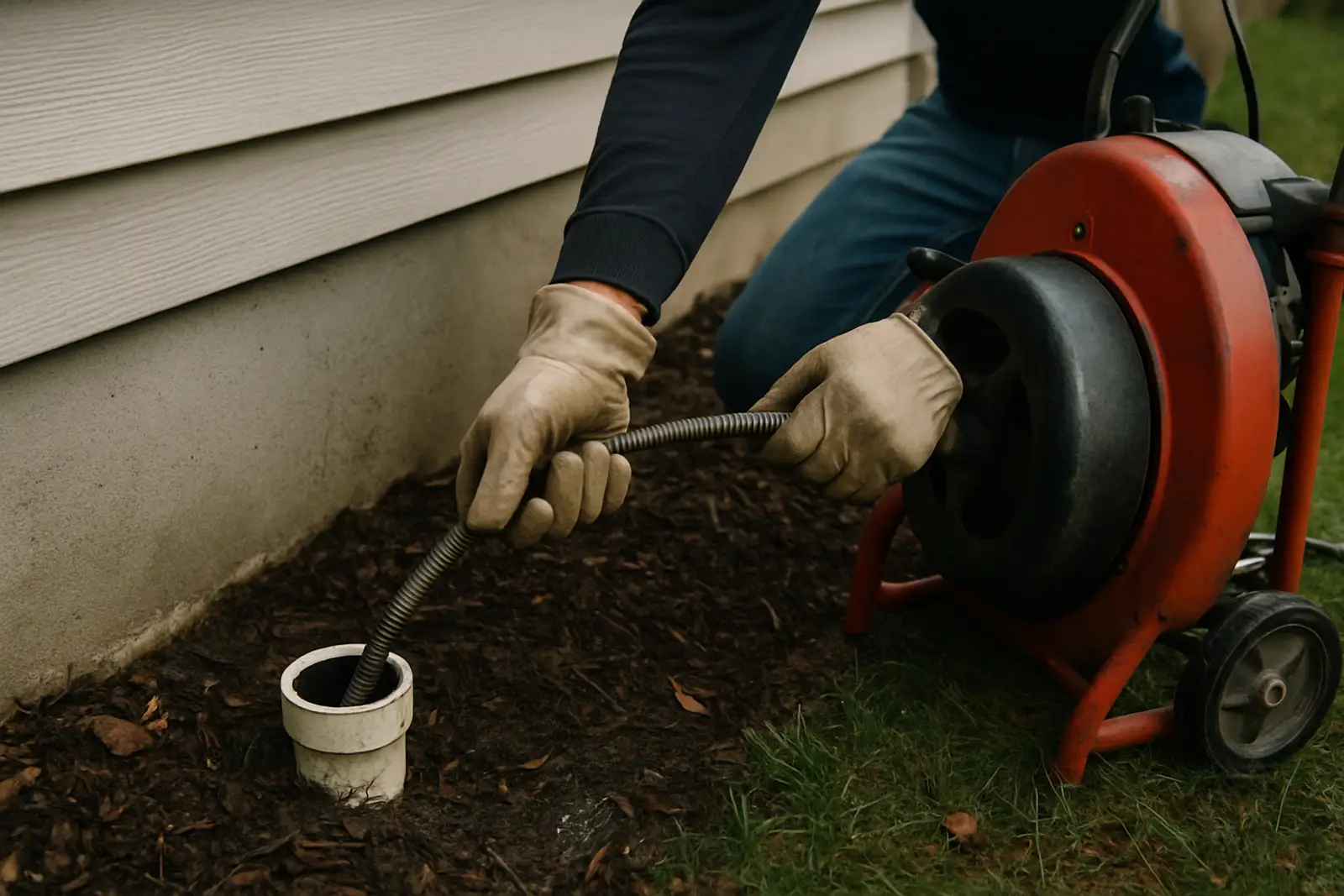
Houses and pipes in Salinas
Oldtown Salinas and the neighborhoods around Main Street, the Steinbeck House and the old residential grid have homes from the late 1800s through the 1940s, many on raised foundations, with clay laterals running to street or alley mains beneath mature trees. Roots and shifted joints are common reasons these lines back up, and the cool, damp climate keeps soil moist around them for much of the year.
East Salinas, the Alisal, grew after the war with modest single-story homes on slabs and raised foundations, many with clay laterals and cast iron or galvanized drains inside. Many east side homes house more people than they were designed for, often several families or a large multigenerational household, and many have rear units or garage conversions sharing the lateral. Heavy use, kitchen grease and wipes make main line clogs a constant there.
North Salinas and the neighborhoods toward Boronda and Williams Ranch were built from the 1970s onward, with newer pipe and fewer structural problems. Their typical calls are kitchen and laundry clogs and the occasional low spot in a settled lateral.
Salinas sits on flat valley ground near the Salinas River, and parts of the city have a high water table, especially in wet winters. Cracked laterals can take in groundwater, adding flow and fine silt to lines that may already be stretched by heavy use.
The agricultural season brings seasonal workers to the area, and some homes see their busiest months from spring through fall, when more people share the same kitchen and bathrooms.
Who handles what in Salinas
The City of Salinas maintains its public sewer collection system, with treatment handled regionally. Owners maintain their laterals up to the city's main. When neighbors on both sides are backing up too, the main is the likely problem and the city should hear about it before anyone pays a plumber.
Drain problems Salinas homes see most
| Problem | Why it happens here |
|---|---|
| Heavy use in crowded households | East side homes shared by several families |
| Grease in busy kitchens | Large households cooking every day |
| Rear unit and conversion tie-ins | Second dwellings on one lateral |
| Roots in Oldtown clay laterals | Older homes with mature trees |
| Groundwater infiltration | High water table near the river in wet winters |
| Corroded galvanized drains | Post-war homes with original interior pipe |
Salinas drains through the year
Salinas winters are mild but wet, and long rainy periods raise groundwater around older laterals. Backups during or after storms are common in Oldtown and the east side. Fog keeps the ground damp much of the year.
Spring through fall is the busy farming season, and homes with seasonal residents see their heaviest use then. The holidays bring large family gatherings and kitchen clogs.
What drain cleaning costs in Salinas
| Job | Typical range |
|---|---|
| Sink, tub or shower cleared | $150–$300 |
| Main line cleared from a cleanout | $225–$500 |
| Root cutting in a clay lateral | $275–$575 |
| Jetting a grease-coated line | $400–$850 |
| Camera inspection | $175–$425 |
Older homes without a cleanout, lines with heavy roots and properties where several households share one lateral sit toward the top of these ranges. North Salinas homes with newer pipe usually come in lower.
Before the plumber arrives
- 1
Stop running water
Tell every household on the property.
- 2
Find the cleanout
Look by the front wall or driveway; older homes may have one under the house or none.
- 3
Say how many people share the line
Heavy use changes what the plumber expects to find.
- 4
Mention rain
Say whether the backup began during a wet spell.
Oldtown and the historic grid
Oldtown's homes sit on lots with mature trees and old clay laterals. Many have raised foundations, with cast iron or galvanized drains running under the floor before reaching the lateral. Root cutting and a look under the house during any drain visit catch most problems before they become emergencies.
The Alisal
East Salinas has some of the most densely occupied housing in the region. Main lines there carry far more than they were designed for, and kitchen grease and wipes are behind most backups. Landlords who jet heavily used lines on a schedule and post notes about wipes and grease in every unit prevent most emergency calls.
A typical Salinas call
During a February storm, a family in a Alisal home with a rear unit finds water rising in the back unit's shower. Working from the driveway cleanout, the plumber pulls out a grey mass of fat and wipes mixed with fine sand. On camera, a split clay joint just short of the sidewalk is weeping groundwater into the line. The owner books jetting every six months and gets a lining quote.
North Salinas
Neighborhoods north of Boronda Road and around Williams Ranch have newer homes with plastic pipe. Their calls are mostly kitchen and laundry clogs, with outside cleanouts making main line clearings quick.
Agricultural season
When the growing season brings extra residents into homes, drains work harder for months at a time. A quick check of a heavily used line before the season starts is cheaper than a mid-summer backup.
Raised floors and galvanized pipe
Many older Salinas homes, both in Oldtown and on the east side, sit on raised foundations with galvanized or cast iron drains running under the floor. Galvanized pipe rusts from the inside and eventually leaks at threaded joints, and in the damp Salinas climate, crawlspaces rarely dry out fully. A drain visit is a good moment to have someone look under the house for wet soil, rust trails or a sagging section, before a slow leak rots the floor framing.
Landlords and shared properties
Where several households share a home or a lot, small habits multiply. One kitchen pouring grease down the sink and one bathroom flushing wipes can block a line every few months. A short note in each unit, in the languages the tenants read, a trash can in every bathroom and scheduled jetting of the main keep shared lines flowing. Keep a simple log of each clearing and what the camera showed, so the next visit starts with facts.
Keeping lines clear
Schedule jetting for heavily used lines, root cutting for older laterals and check cleanout caps before the rains. Share the rules about wipes and grease with everyone on the property.
Salinas ZIP codes
- 93901
- 93905
- 93906
- 93907
- 93908
Salinas drain questions
Who maintains the lateral in Salinas?+
The property owner, up to the city's main. The city maintains the mains.
Why do east side homes clog so often?+
Many are shared by large households, sometimes with rear units on the same line, and heavy use exposes narrow or old pipe quickly.
Can groundwater get into my sewer line?+
Yes, through cracks in older laterals during wet winters. A camera inspection shows it, and lining seals it.
What helps most in a busy household?+
Keeping grease out of the sink, a trash can by every toilet and regular jetting of a heavily used line.