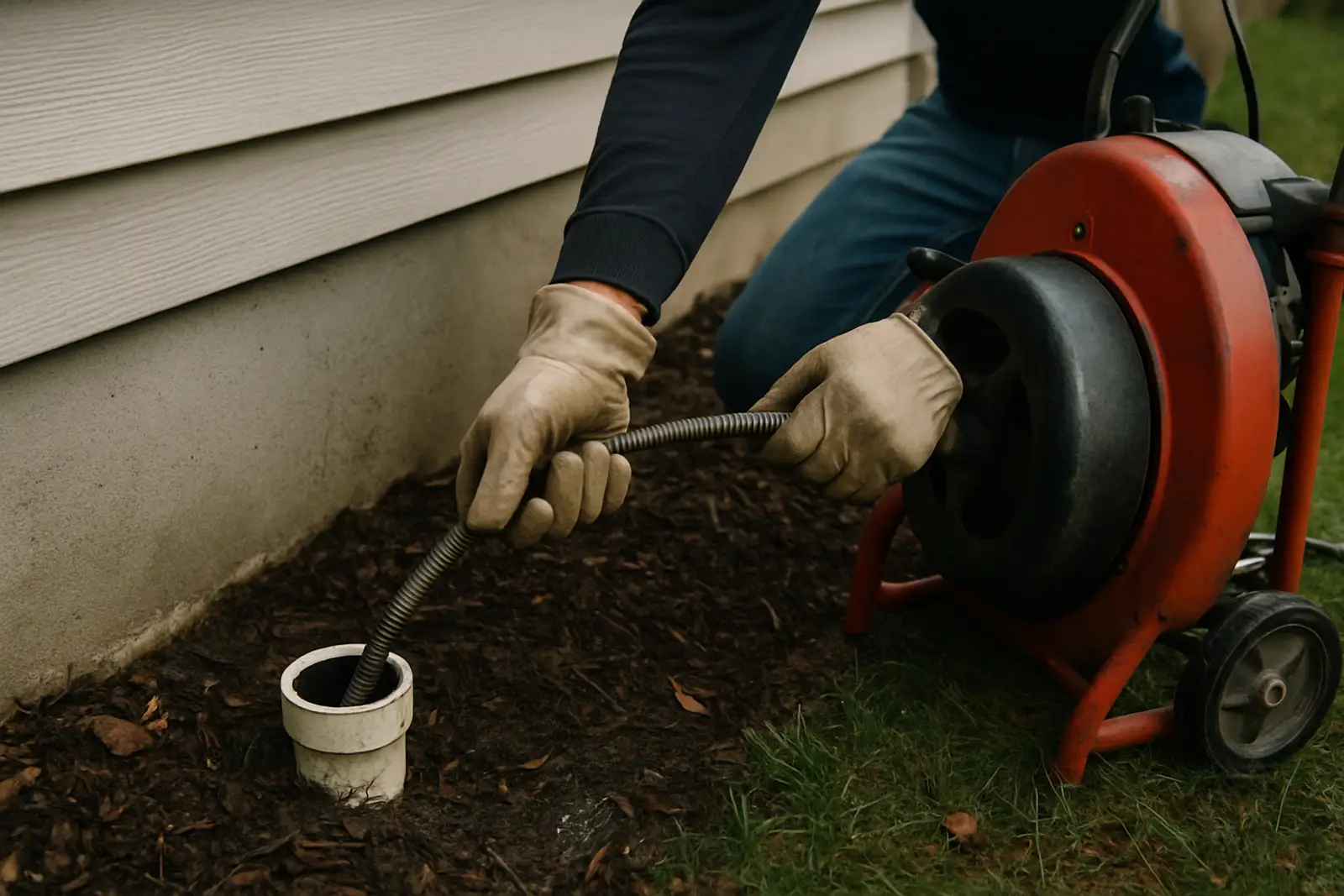
Houses and pipes in Santa Clara
The Old Quad, the original town laid out around Mission Santa Clara and the university, has Victorian and early twentieth century homes, some among the oldest in the valley. Laterals there may be clay, cast iron or a patchwork of both, and many have never been replaced.
After World War II, orchards gave way to tract housing, and most Santa Clara homes date from 1950 to 1970. Neighborhoods such as Old Mill, Killarney Farms, Bracher and the areas around Central Park have ranch homes on clay laterals, now sixty to seventy years old.
North of the 101, near Levi's Stadium and the tech campuses, newer apartments and townhomes have gone up since the 1990s, with plastic pipe and shared building lines.
Santa Clara has many rentals and student households near Santa Clara University, and older homes split into multiple units. One lateral often serves several kitchens and bathrooms.
Big street trees, especially sycamores, liquidambars and old fruit trees left from orchard days, send roots into clay joints throughout the older neighborhoods.
Who handles what in Santa Clara
The City of Santa Clara maintains the sewer collection system, and wastewater is treated at the San José-Santa Clara Regional Wastewater Facility. Santa Clara homeowners own and maintain the lateral from the house to the city main, including the section under the sidewalk.
Drain problems Santa Clara homes see most
| Problem | Why it happens here |
|---|---|
| Roots in clay laterals | Postwar tracts with mature trees |
| Very old pipe | Old Quad Victorians |
| Grease in shared lines | Apartments and multi-unit homes |
| Wipes and hair | Student rentals near campus |
| Joint offsets | Clay soil and old earthquakes |
| Restaurant grease | El Camino Real kitchens |
Santa Clara drains through the year
Winter rain from November through March swells roots and pushes groundwater into cracked laterals, so backups cluster in storm season.
Summer is dry and warm. Move-in week at Santa Clara University in September brings a wave of clogs in shared houses, and holiday cooking brings grease.
What drain cleaning costs in Santa Clara
| Job | Typical range |
|---|---|
| Sink, tub or toilet cleared | $160–$320 |
| Main line cleared from a cleanout | $240–$500 |
| Root cutting | $310–$660 |
| Hydro jetting | $400–$900 |
| Camera inspection | $180–$440 |
Bay Area labor costs push prices higher than inland cities. A postwar home with a front cleanout and light roots stays toward the bottom; Old Quad laterals, shared buildings and homes without a cleanout cost more.
Before the plumber arrives
- 1
Stop water use
Pause showers, dishes and laundry, and tell housemates or other units.
- 2
Check the lowest drain
A tub or floor drain filling with water means the main is backing up.
- 3
Find the cleanout
Usually near the front of the house or close to the sidewalk.
- 4
Note your trees
Mention any big street or yard tree near the sewer path.
The Old Quad
The Old Quad, the blocks around Santa Clara University and the mission, holds homes from the late 1800s and early 1900s. Laterals there are often original or patched in sections, with roots, bellies and cracked joints. Many homes have been divided into apartments, so one old lateral serves several units. A camera inspection is the first step before any repair, and lining is often the gentlest fix for historic properties.
Postwar tracts
Most of Santa Clara's single-family homes went up between 1950 and 1970 on former orchard land. Ranch homes in neighborhoods like Old Mill, Killarney Farms and the streets near Central Park started with clay laterals, and many still have them. If the main clogs every winter, roots in the clay joints are almost certainly the cause.
North Santa Clara
North of the 101, near the stadium, the convention center and the tech campuses, most housing is newer apartments and townhomes. Pipe failure is rare, but shared building lines carry grease, wipes and hair from many households. HOAs and property managers who jet main lines on a schedule see far fewer emergency calls.
A typical Santa Clara call
During a week of February rain, a family in a 1956 home near Homestead Road finds water rising in the bathtub every time the washer drains. The plumber opens a cleanout near the front walk and cuts a mass of liquidambar roots about thirty feet out. The camera shows several cracked clay joints under the parkway, and the family schedules lining to stop the cycle.
Student rentals
Homes near Santa Clara University are often rented to groups of students. Hair, wipes, grease and the occasional forgotten item down a toilet cause most clogs. Landlords who post clear rules, provide hair catchers and trash cans in bathrooms, and clean the main before each school year avoid most move-in emergencies.
Old orchard trees
Some Santa Clara yards still have apricot, plum or walnut trees left from orchard days, and many streets are lined with mature sycamores and liquidambars. Their roots find clay joints easily. Root cutting every year or two keeps lines open, and lining seals them for good. When planting new trees, keep them away from the sewer path.
Restaurants on El Camino Real
El Camino Real runs through Santa Clara lined with restaurants of every cuisine, many in older strip buildings. Grease is the main threat. Regular grease interceptor pumping and kitchen line jetting keep them running, and shared building lines need coordinated maintenance.
Earthquake country
Santa Clara sits between active faults, and the 1989 Loma Prieta earthquake shook the area hard. Some laterals shifted at joints, and those offsets still turn up on camera. After any strong shaking, watch for new slow drains or sewer smells.
ADUs and lot splits
California's ADU rules have led many Santa Clara owners to build backyard cottages or convert garages. A new unit usually ties into the existing lateral, adding a kitchen and bathroom's worth of flow to pipe that may be seventy years old. Scoping the lateral before construction starts lets you line or replace it while the yard is already open, which is far cheaper than doing it after the new landscaping goes in.
What to tell a Santa Clara plumber
Give your neighborhood and the home's age, whether it's a rental, student house or multi-unit building, and whether there's a big tree near the sewer path. Mention if the trouble started after rain. If several units share the line, say which ones are backing up; the pattern often points to where the problem is.
Santa Clara ZIP codes
- 95050
- 95051
- 95053
- 95054
Santa Clara drain questions
Who owns the sewer lateral in Santa Clara?+
You do, from the house all the way to the city's pipe, sidewalk section included. Santa Clara maintains the public main, and the regional plant in Alviso treats what flows through it.
Do most Santa Clara homes have clay laterals?+
Homes built before about 1975 usually do. A camera inspection confirms the material and shows roots or cracks.
Why does my rental back up every September?+
New tenants bring new habits, and wipes, grease and hair add up fast in shared houses. Cleaning the main before move-in helps.
Is lining a good option here?+
Often, yes. Lining avoids digging up driveways, sidewalks and landscaping and seals the joints roots use to get in.