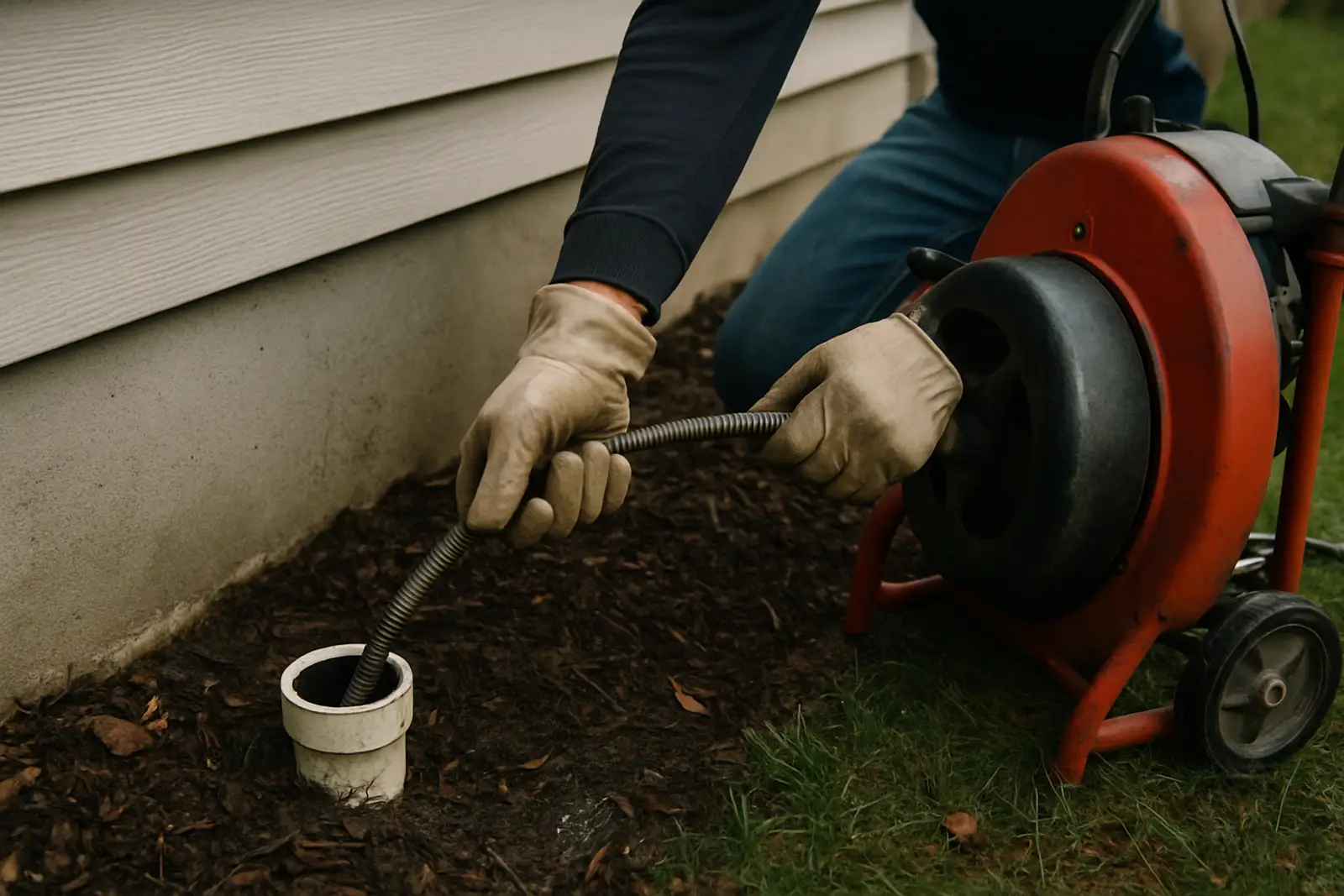
Houses and pipes in Salt Lake City
The Avenues, Capitol Hill, Central City and Marmalade have homes from the 1870s through the 1920s, many on steep lots with basements and clay laterals.
Sugar House, Liberty Wells, 9th and 9th and Yalecrest have bungalows and period revival homes from the 1910s through the 1940s.
Rose Park, Glendale and the west side filled in from the 1940s through the 1960s with modest ranches and bungalows.
The East Bench and neighborhoods near the foothills were built from the 1950s onward, many on sloping lots.
Salt Lake City sits along the Wasatch Fault, and the 2020 Magna earthquake damaged older brick buildings and pipes.
Who handles what in Salt Lake City
Salt Lake City Public Utilities runs the city's sewer system and water reclamation facility. Salt Lake City homeowners maintain the sewer lateral from the house to the public main.
Drain problems Salt Lake City homes see most
| Problem | Why it happens here |
|---|---|
| Roots in clay laterals | The Avenues, Sugar House and Yalecrest |
| Basement backups | Older homes with floor drains |
| Frozen pipes | Cold winter nights |
| Steep laterals | Avenues and East Bench hillsides |
| Earthquake damage | Older homes after the 2020 quake |
| Hard water scale | Kitchen and laundry lines |
Salt Lake City drains through the year
Spring snowmelt from the mountains raises groundwater, and hot, dry summers drive roots toward water.
Winter inversions and cold snaps freeze pipes in garages, porches and exterior walls.
What drain cleaning costs in Salt Lake City
| Job | Typical range |
|---|---|
| Sink, tub or toilet cleared | $135–$280 |
| Main line cleared from a cleanout | $205–$455 |
| Root cutting | $265–$605 |
| Hydro jetting | $345–$830 |
| Sewer camera inspection | $140–$285 |
| Frozen line thawing | $195–$495 |
Newer suburban lines go quickly. Century-old clay in the Avenues, steep laterals and basement access take longer.
Before the plumber arrives
- 1
Stop the water
Pause laundry, dishes and showers.
- 2
Check the basement
Gray water around the floor drain means the lateral is backing up.
- 3
Below freezing?
If drains stopped after a cold night, a pipe may be frozen.
- 4
Find the cleanout
In the Avenues, it's often on the downhill basement wall.
The Avenues
The Avenues climb the foothills north of downtown in a grid of steep streets lined with Victorian cottages, bungalows and brick homes from the 1880s through the 1920s. Laterals drop sharply to the street, and big trees planted generations ago send roots into the joints. Steep runs can leave debris behind. Jetting and lining are common fixes.
Sugar House and Yalecrest
Sugar House, one of the city's oldest suburbs, and Yalecrest, with its Tudors and English cottages, have homes from the 1910s through the 1940s on tree-lined streets. Many have full basements. Clay laterals under big trees fill with roots, and basement floor drains show backups first.
Earthquakes
Salt Lake City sits along the Wasatch Fault, and the March 2020 Magna earthquake, magnitude 5.7, damaged older unreinforced brick buildings across the valley. Shaking can crack old clay and cast iron laterals and separate joints. After a quake, homeowners who notice new slow drains should have the line inspected.
Winter inversions
Salt Lake's winter inversions trap cold air in the valley for days, and arctic outbreaks can drop temperatures into single digits. The first pipes to go are usually a garage laundry drain or a line in an old back porch. Keep basements warm and insulate exposed pipe.
A typical Salt Lake City call
In June, a family in a 1915 bungalow in the Avenues finds water around the basement floor drain after laundry. The plumber opens the cleanout on the downhill wall and clears roots from a big elm about forty feet out. The camera shows cracked clay and a sag near the street. A liner is booked.
The west side
Rose Park, Glendale and Poplar Grove filled in from the 1940s through the 1960s with modest bungalows and ranches, many now home to large families. Old cast iron and clay lines and busy kitchens make roots and grease the most common causes of clogs.
Hard water
Salt Lake's water is hard, and mineral scale builds up inside drain pipes, especially kitchen and laundry lines. Jetting removes scale and grease together.
Snowmelt and groundwater
When the mountain snowpack melts in spring, groundwater rises across the valley, especially near the old creek channels like Red Butte, Emigration and Parleys. Cracked laterals take in water, and basements see more moisture.
Restaurants and downtown
Downtown Salt Lake, 9th and 9th, Sugar House and the busy corridors along State Street and 400 South have many restaurants. Kitchens stay open by keeping interceptors pumped.
University of Utah
The University of Utah sits on the East Bench, and older homes nearby are often rented to students. Heavy use in old laterals means more clogs at the start of each semester.
Rentals with basement apartments are especially vulnerable, since the basement unit sits below everything else.
Large households
Utah has the largest average household size in the country, and many Salt Lake homes are busy with kids. More people means more water, grease and wipes through the same lateral.
Central City and Marmalade
Central City and the Marmalade district, near the Capitol, have some of the city's oldest homes, small brick and adobe cottages from the 1870s and 1880s mixed with Victorians and newer infill. Many have been restored, and some have been converted to duplexes. Original clay laterals, sometimes laid shallow, are common, along with roots from old fruit and shade trees planted by early settlers. Lining protects these historic lots.
East Bench and foothills
The East Bench, toward the foothills and the University, has midcentury homes on sloping lots with views across the valley. Laterals there run downhill to the street through rocky soil, and some homes below the street need a pump. Steep runs collect debris where the slope flattens, and jetting clears them.
Basement apartments
Many older Salt Lake homes have basement apartments rented to students or extended family. Those units sit at the bottom of the plumbing and flood first when the lateral clogs. A backwater valve and regular jetting protect both tenants and owners.
When you call
Share the neighborhood, the home's age, whether the lot is steep and whether the basement is finished. Mention big trees near the line and whether it's been very cold.
Salt Lake City ZIP codes
- 84101
- 84102
- 84103
- 84104
- 84105
- 84106
- 84107
- 84108
- 84109
- 84111
- 84112
- 84113
- 84114
- 84115
- 84116
- 84117
- 84121
- 84123
- 84124
- 84129
- 84138
- 84150
- 84180
Salt Lake City drain questions
Who handles sewer in Salt Lake City?+
Salt Lake City Public Utilities. Homeowners maintain the lateral to the main.
Why do Avenues homes have root clogs?+
Their clay laterals are often over a century old and run under big street trees on steep lots.
Did the 2020 earthquake damage sewer lines?+
In some older homes, yes. Shaking can crack old clay and cast iron. A camera inspection checks for damage.
Is a sewer scope worth it before buying in Salt Lake?+
Yes, especially for homes built before 1960.