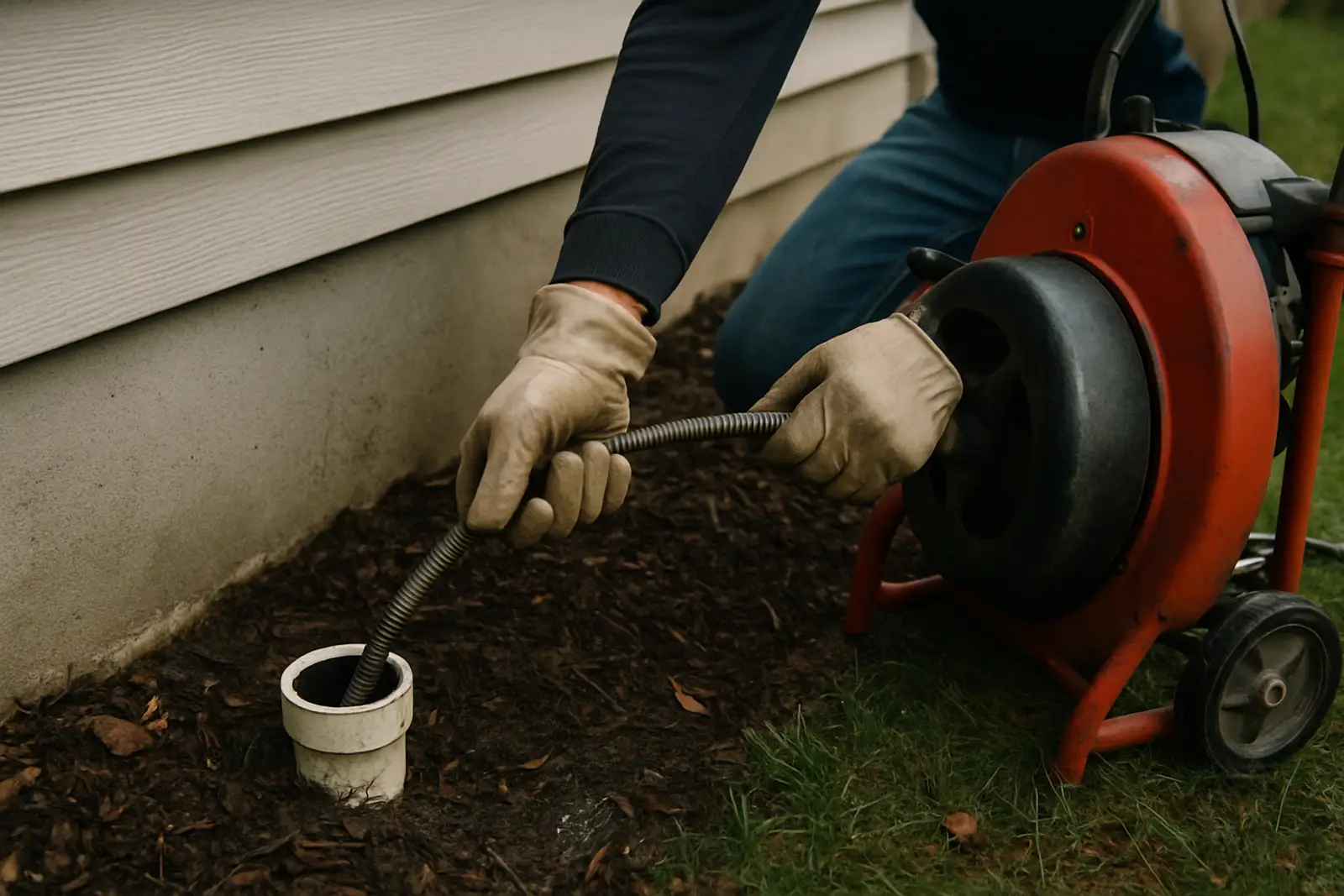
Houses and pipes in St. Louis
Soulard, Lafayette Square, Benton Park, Compton Heights and the Central West End have brick homes from the 1850s through the 1910s, with basements and clay laterals.
South City neighborhoods like Tower Grove South, Bevo Mill, Dutchtown and the Hill are full of brick two-family flats and bungalows from the 1900s through the 1940s.
North City neighborhoods like Hyde Park, the Ville and Fairground have brick homes and flats from the 1880s through the 1920s, many affected by vacancy.
St. Louis County suburbs grew from the 1940s onward with ranches and split-levels.
MSD Project Clear is a multi-billion dollar program to reduce overflows and basement backups across the region.
Who handles what in St. Louis
The Metropolitan St. Louis Sewer District runs sewers for the city and most of St. Louis County. Property owners own and maintain the private lateral from the house to the public sewer.
Drain problems St. Louis homes see most
| Problem | Why it happens here |
|---|---|
| Basement backups in storms | Combined sewer neighborhoods |
| Roots in clay laterals | Tower Grove, Compton Heights and the Central West End |
| Two-family flat shared lines | South City |
| Cast iron corrosion | Century-old buildings |
| Vacant buildings | North City |
| Frozen pipes | Winter cold snaps |
St. Louis drains through the year
Spring and summer thunderstorms flood basements across the older city, and roots grow fastest in summer heat.
Winter cold snaps freeze pipes in unheated basements, back porches and exterior walls.
What drain cleaning costs in St. Louis
| Job | Typical range |
|---|---|
| Sink, tub or toilet cleared | $130–$275 |
| Main line cleared from a cleanout | $200–$445 |
| Root cutting | $260–$595 |
| Hydro jetting | $340–$815 |
| Sewer camera inspection | $135–$280 |
| Backwater valve installation | $900–$2,750 |
County ranches with an outside cleanout are quick. Century-old clay, two-family flats with shared lines and basements with no cleanout take longer.
Before the plumber arrives
- 1
Tell the other flat
In a two-family, both units share one lateral.
- 2
Storm-related?
If neighbors also have water after heavy rain, MSD may be able to help; call their customer service line.
- 3
Check the floor drain
Water coming up there or in the laundry tub means the lateral is backing up.
- 4
Find the cleanout
Usually low on the front or rear basement wall, depending on whether the sewer runs to the street or alley.
Brick city
After the 1849 fire, St. Louis required brick construction, and its clay deposits fueled a huge brickmaking industry. The result is a city of solid brick homes and flats that have stood for more than a century. Their laterals, mostly clay, haven't fared as well. Roots, cracks and sags are the usual findings when a camera goes in.
Two-family flats
South City is full of two-family flats, brick buildings with one apartment on each floor sharing a basement and lateral. When the lateral clogs, water from upstairs comes out the basement floor drain or the first-floor tub. Many flats have been converted to single-family homes, but the lateral is often original.
Alleys
Many St. Louis neighborhoods have alleys behind the homes, and in some blocks the sewer runs in the alley rather than the street. The lateral exits the rear basement wall and runs under the back yard. Knowing which way your line runs helps the plumber find the cleanout.
Combined sewers and Project Clear
Much of St. Louis has combined sewers that overflow into the Mississippi and River des Peres during heavy rain, and basement backups have long been a problem. MSD Project Clear is building tunnels and storage, including the Deer Creek and Lower Meramec tunnels, to reduce overflows. Backwater valves and disconnected downspouts help protect homes.
A typical St. Louis call
After a June storm, the first-floor tenant in a 1915 brick flat in Tower Grove South finds water around the basement floor drain. The owner calls a plumber, who opens the cleanout on the rear basement wall and clears roots from a big silver maple in the back yard about thirty feet toward the alley. On the camera, the clay has separated at a joint. The owner prices a liner.
Tower Grove and Compton Heights
Tower Grove South, Shaw and Compton Heights have brick homes on tree-lined streets near Tower Grove Park and the Missouri Botanical Garden. Big trees and clay laterals mean roots.
North City
North City neighborhoods have beautiful brick homes, many affected by decades of vacancy. Vacant buildings' laterals can fill with roots or collapse. Before closing on, or gutting, a long-vacant North City brick, put a camera down the lateral; it is often the most expensive surprise in the building.
The Hill and toasted ravioli
The Hill, St. Louis's Italian neighborhood, has small brick homes and famous restaurants. South Grand, Soulard and the Central West End add many more kitchens. Restaurants there must pump grease traps on a regular schedule, especially before Cardinals home stands and Mardi Gras in Soulard.
Winter
St. Louis winters bring cold snaps that can drop below zero. Pipes in unheated basements, back porches and exterior walls freeze first. Heat the basement and insulate exposed pipe.
Brick walls hold cold well, and pipes running along the inside of an exterior brick wall can freeze even in a heated room.
St. Louis County
Suburbs across St. Louis County grew from the 1940s onward with ranches and split-levels. Older ones have cast iron and clay laterals now aging, and many have finished basements.
Karst and sinkholes
Parts of St. Louis and the county sit on karst limestone with sinkholes. A sinkhole near a lateral can undermine it. A dip in the lawn along the line's route is a reason to call before the pipe gives way.
Soulard and Lafayette Square
Soulard, home of the city's oldest farmers market and its huge Mardi Gras celebration, and Lafayette Square, with its painted Victorian townhouses around a park, have some of St. Louis's oldest homes. Many were nearly lost to decline before restoration in the 1970s and 1980s. Restoration often focused on facades and interiors, leaving original clay laterals in the ground. Roots, cracks and sags in those lines are common, and lining is the usual fix in these historic districts.
Information to share
Say which neighborhood you're in, whether it's a flat or single-family, the building's age and whether the sewer runs to the street or alley. Mention whether a storm came first.
St. Louis ZIP codes
- 63101
- 63102
- 63103
- 63104
- 63106
- 63107
- 63108
- 63109
- 63110
- 63111
- 63112
- 63113
- 63115
- 63116
- 63118
- 63120
- 63139
- 63147
- 63155
St. Louis drain questions
Who handles sewer in St. Louis?+
MSD runs the public system for the city and most of the county. Owners maintain the private lateral.
Does MSD help with lateral repairs?+
MSD has run programs, including the Private Building Sewer Program, to help with certain defective laterals. Check with MSD for current eligibility.
What is MSD Project Clear?+
MSD's long-term program to reduce sewer overflows and basement backups with tunnels, storage and new pipes.
Should I get a sewer scope before buying a brick flat?+
Yes. Laterals under century-old flats often have roots, cracks or sags.