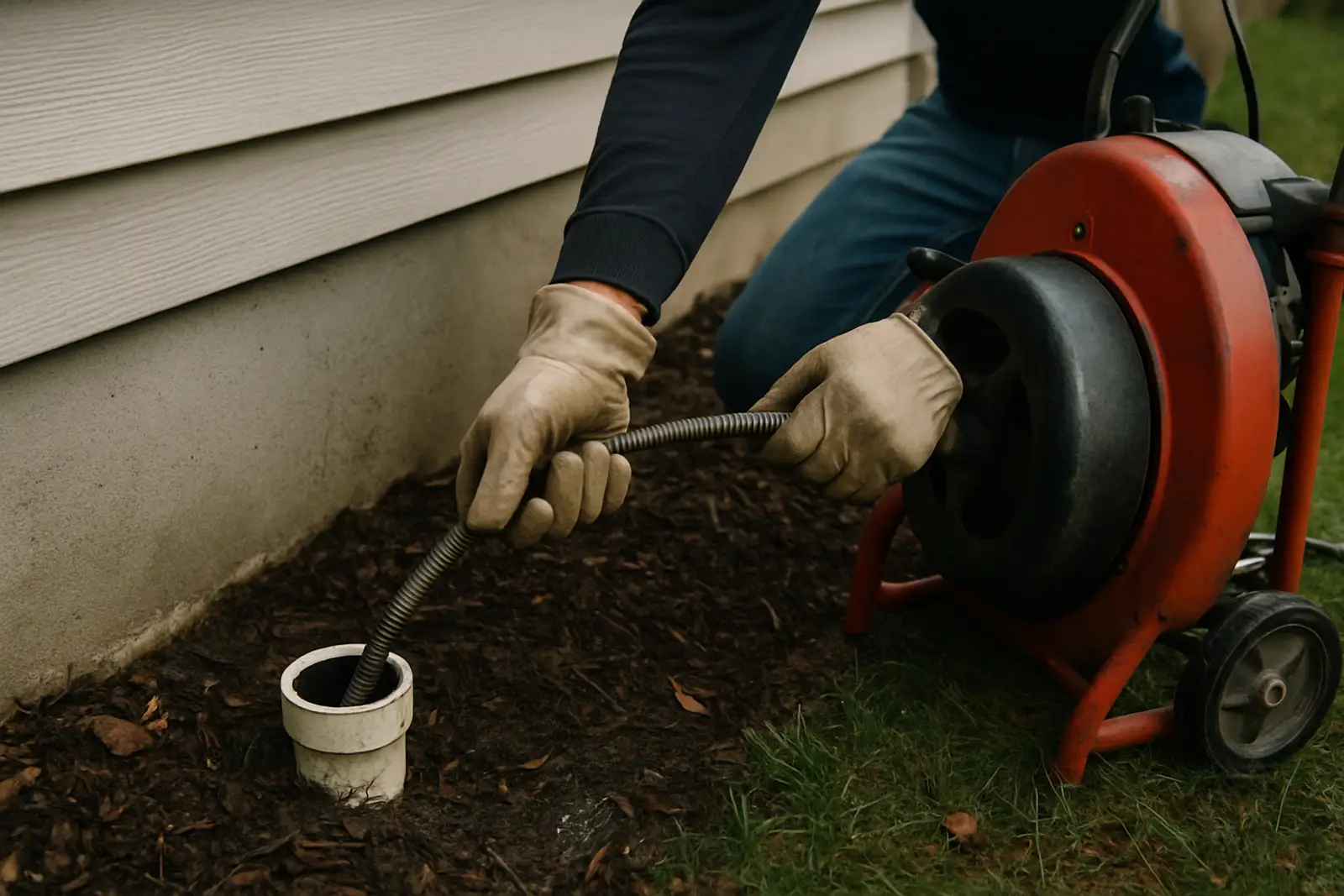
Houses and pipes in Wilmington
The downtown historic district, one of the largest in North Carolina, along with Carolina Heights, Carolina Place and Forest Hills, has homes from the 1800s through the 1930s. Many sit on raised foundations with clay or cast iron laterals under live oaks draped with Spanish moss.
Postwar neighborhoods across Wilmington, including Pine Valley and the areas off Oleander Drive and College Road, were built from the late 1940s through the 1970s, some with Orangeburg fiber or cast iron laterals.
Ogden, Porters Neck and the areas toward Leland and Monkey Junction grew from the 1980s onward with PVC drains, though some outlying homes use septic.
Wilmington sits on sandy coastal soil with a shallow water table. Laterals settle, and groundwater seeps into cracked pipe during wet seasons and storms.
UNC Wilmington and Cape Fear Community College bring thousands of students, and many homes near the beaches are vacation rentals.
Who handles what in Wilmington
Cape Fear Public Utility Authority, known as CFPUA, provides sewer service to Wilmington and much of New Hanover County. The property owner maintains the lateral to the CFPUA connection.
Drain problems Wilmington homes see most
| Problem | Why it happens here |
|---|---|
| Live oak roots | Historic downtown and Forest Hills |
| Corroded cast iron and fiber pipe | Postwar neighborhoods |
| Groundwater infiltration | Shallow water table and sandy soil |
| Storm flooding | Hurricanes and nor'easters |
| Hair, grease and wipes | Student and vacation rentals |
| Septic backups | Outlying county homes |
Wilmington drains through the year
Hurricane season, June through November, brings tropical storms and surge. Hurricane Florence in 2018 dropped more than two feet of rain and cut the city off for days.
Summer brings tourists to beach rentals. August move-in at UNCW fills student houses. Nor'easters in fall and winter push high tides into low areas.
What drain cleaning costs in Wilmington
| Job | Typical range |
|---|---|
| Sink, tub or toilet cleared | $130–$270 |
| Main line cleared from a cleanout | $195–$440 |
| Root cutting | $265–$590 |
| Hydro jetting | $335–$790 |
| Camera inspection | $150–$385 |
Newer homes with PVC clear quickly. Historic laterals under live oaks, old fiber pipe and storm-damaged lines take longer.
Before the plumber arrives
- 1
Pause water use
Hold off on showers, laundry and dishes.
- 2
After a storm?
If the home flooded, sand and silt may be in the lines.
- 3
Historic home?
Check under the house for leaks or odor.
- 4
Find the cleanout
Near the porch, side yard or by the street.
The historic district
Downtown Wilmington's historic district stretches across more than 200 blocks of homes from the 1800s and early 1900s. Laterals there are often original clay or cast iron, running under live oaks that have been growing for a century or more. Roots, cracks and bellies are common. Lining preserves the trees, gardens and brick walks.
Forest Hills and Carolina Heights
Forest Hills and Carolina Heights were Wilmington's first streetcar suburbs, laid out in the 1910s and 1920s with bungalows, Colonial Revival homes and wide lots under live oaks and longleaf pines. Their clay laterals have had a century to collect roots, and many have shifted at the joints in the sandy soil. Owners there usually clear the roots every year or two or line the lateral once to end the cycle.
Postwar Wilmington
Pine Valley, Long Leaf Hills, Winter Park and the neighborhoods off Oleander Drive and College Road were built from the late 1940s through the 1970s. Many have laterals of Orangeburg fiber pipe, which softens and flattens over time, or cast iron that the damp coastal soil has rusted thin. A camera inspection shows which you have and how much life is left before a backup decides for you.
Sandy soil and groundwater
Wilmington sits on sandy coastal soil over a water table that, in low neighborhoods near the river and the creeks, can be just a few feet down. Rain drains through the sand quickly and raises that water table fast. Cracked clay or iron laterals take in groundwater after storms, and the sand itself shifts around old pipe, leaving low spots where sediment and paper collect. Sealing the lateral cuts the infiltration, and a camera with a locator finds the dips.
A typical Wilmington call
A month after a hurricane, the owners of a 1925 home in Carolina Heights notice slow drains and a sewer smell. The plumber jets the main, flushing out sand from the storm, then runs a camera that shows live oak roots and cracked clay. They schedule lining.
Hurricanes
Hazel in 1954, Fran in 1996, Floyd, Matthew and Florence in 2018 all left their mark on Wilmington. Florence stalled offshore and dropped more than two feet of rain, cutting the city off by road for days. Floodwater pushes sand and silt into cleanouts and low drains, and that sediment settles in the lateral where it catches paper for months. After any flood, a jetting and camera inspection clear the line and show whether anything cracked.
Student and beach rentals
Rental houses in the neighborhoods around UNCW, off College Road and Kerr Avenue, fill with students every August, and vacation rentals near Wrightsville Beach and Carolina Beach turn over every week in summer. Both put far more through a lateral than a full-time household would, and guests and students rarely think about what they flush. Owners who jet the main before each season, leave hair catchers in the showers and post a short note about wipes and grease avoid most of the calls.
Riverwalk and restaurants
Downtown's Riverwalk, Front Street and the Cotton Exchange are lined with restaurants and bars in buildings from the 1800s. Kitchens there push grease into very old lines, and the river's high water table doesn't help. Interceptors pumped on a short schedule and lines jetted before the Azalea Festival in April and the summer season keep them open.
Leland, Monkey Junction and septic
Growth across the river in Leland and south toward Monkey Junction and Carolina Beach has brought new subdivisions with PVC drains. Some older homes on larger lots in New Hanover and Brunswick counties still use septic, and sandy soil over a high water table means drain fields saturate quickly after a tropical storm.
What to tell a Wilmington plumber
Give your neighborhood and the home's age, whether it flooded recently and whether it's a rental, student house or vacation home. Mention big oaks near the sewer path, whether the house sits on a raised foundation and whether you're on CFPUA sewer or a septic tank.
Wilmington ZIP codes
- 28401
- 28403
- 28405
- 28409
- 28411
- 28412
Wilmington drain questions
Who handles sewer in Wilmington?+
Cape Fear Public Utility Authority. The lateral from the house to the CFPUA connection is the owner's.
My home flooded during Florence. Should I scope the drains?+
Yes. Floodwater carried sand and debris into lines across the city.
Can I fix my sewer without harming my live oak?+
Usually. Roots can be cut from inside and the pipe lined, avoiding digging around the tree.
Why does my UNCW-area rental clog so often?+
Several students sharing an older lateral push a lot through it. Regular jetting and hair catchers help.