Houses and pipes in North Charleston
Park Circle, the old Navy Yard neighborhoods and Chicora-Cherokee have homes from the 1910s through the 1950s, many small and on crawlspaces.
Neighborhoods built from the 1950s through the 1970s near Rivers Avenue and Dorchester Road have ranches on slabs.
Newer subdivisions in the northern areas toward Summerville and Ladson have grown since the 1990s.
North Charleston sits on low, sandy ground between the Ashley and Cooper rivers, with a high water table.
Boeing's 787 plant and the port employ thousands, many on shifts.
Who handles what in North Charleston
North Charleston Sewer District runs the sewer system for most of the city. In North Charleston, the homeowner maintains the lateral from the house to the district's main.
Drain problems North Charleston homes see most
| Problem | Why it happens here |
|---|---|
| Cast iron corrosion | Navy-era homes |
| Roots from live oaks | Park Circle and older neighborhoods |
| High water table | Low-lying areas |
| Storm flooding | Neighborhoods near rivers and creeks |
| Grease and wipes | Busy family households |
| Sand and settling pipe | Sandy soils |
North Charleston drains through the year
Hurricane season and summer storms flood low streets and overload sewers, and roots grow year-round.
Freezes are rare this close to the coast, but a cold January night can still split an exposed pipe under a raised Navy-era cottage.
What drain cleaning costs in North Charleston
| Job | Typical range |
|---|---|
| Sink, tub or toilet cleared | $130–$270 |
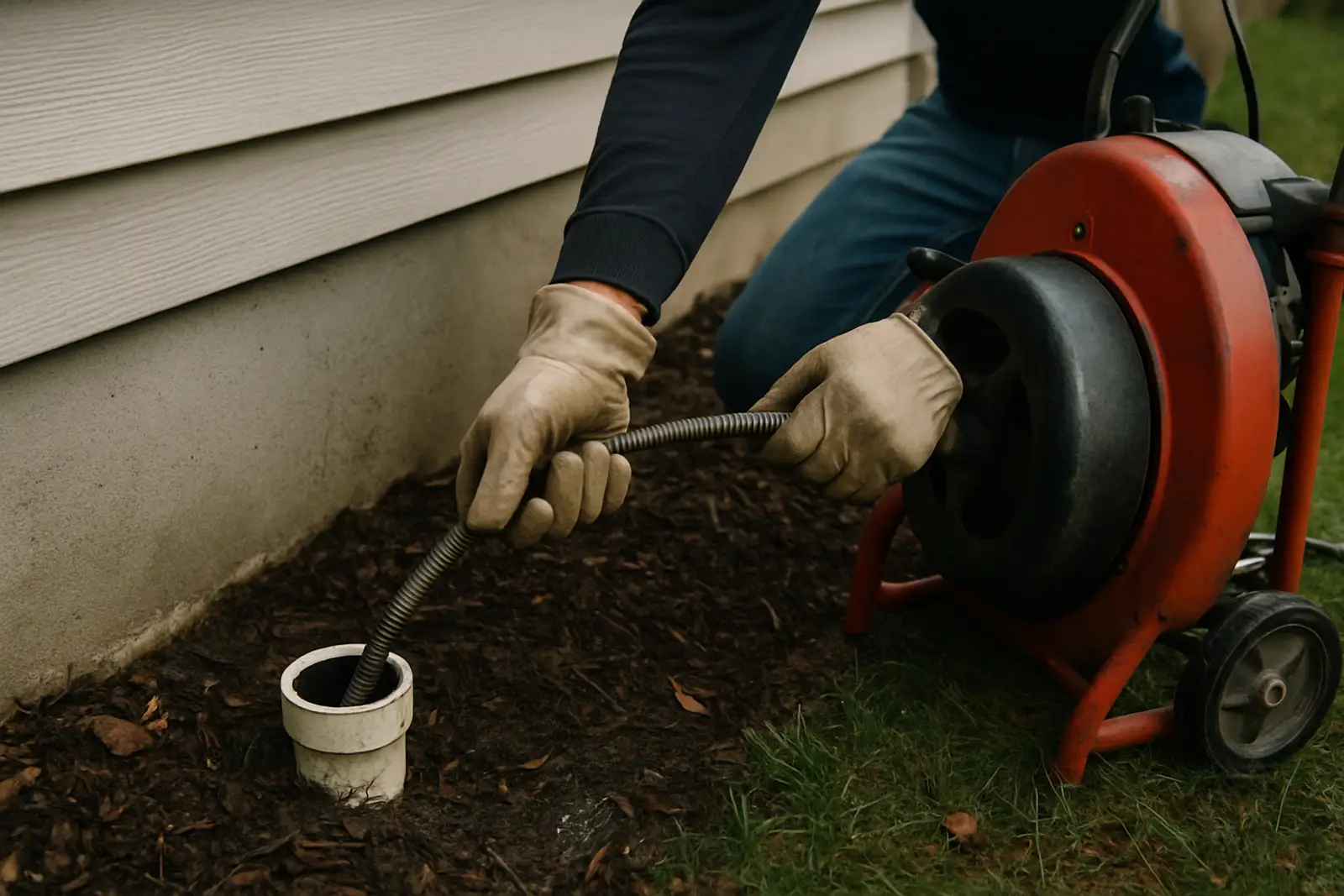
| Main line cleared from a cleanout | $195–$440 |
| Root cutting | $255–$590 |
| Hydro jetting | $335–$805 |
| Sewer camera inspection | $135–$280 |
| Backflow preventer installation | $800–$2,450 |
Newer northern subdivisions go quickly. Navy-era cast iron, live oak roots and flooded access take longer.
Before the plumber arrives
- 1
Hold off on water
Skip the washer and showers until the line is checked.
- 2
Streets flooded?
After heavy rain, the sewer may be overloaded; let the water drop first.
- 3
Crawlspace home?
A sewer smell under the house may mean a leaking line.
- 4
Find the cleanout
Usually near the front of the house.
Navy town
The Charleston Navy Base and Shipyard opened in 1901 and grew enormously during World War II, and North Charleston filled with homes for Navy families and shipyard workers. Many were built quickly, with cast iron and clay lines now seventy to eighty years old. The base closed in 1996, and the area has since been redeveloped, but the old homes remain.
Park Circle
Park Circle, laid out in the 1910s as a planned garden city around a circular park, has become one of the region's most popular neighborhoods, with restaurants, breweries and restored homes. Old laterals under big live oaks fill with roots, and some homes sit on crawlspaces.
High water table
North Charleston sits on low, sandy ground between two rivers, and the water table is close to the surface. During storms and high tides, groundwater rises and seeps into cracked laterals. Sand washes into joints and builds up with grease.
A typical North Charleston call
After a summer storm, a family in a 1952 home near Park Circle finds the tub filling with dirty water. The plumber opens the cleanout and clears roots from a live oak and sand about twenty-five feet out. The video shows cast iron heavily corroded near the house and cracked clay beyond. They plan a liner.
Boeing and the port
Boeing's 787 Dreamliner plant, the port's container terminals and other manufacturers employ thousands of North Charleston residents on shifts. Water use at all hours can bring partial clogs to light quickly.
Midcentury ranches
Neighborhoods near Rivers Avenue and Dorchester Road filled in from the 1950s through the 1970s with ranches on slabs. Cast iron under those slabs corrodes in the humid, salty air and sandy soil.
Storm flooding
North Charleston's low areas near the Ashley and Cooper rivers and Filbin Creek flood during heavy rain and hurricanes. Sewers can surcharge, and backflow preventers help protect homes.
Restaurants in Park Circle
Park Circle's East Montague Avenue, the restaurants along Rivers Avenue and the Tanger Outlets area serve workers and families. Busy kitchens along Rivers Avenue avoid shutdowns by pumping their grease traps often.
Newer northern subdivisions
Newer neighborhoods toward Summerville and Ladson have PVC drains that resist roots. Grease and wipes cause most clogs there.
Some of those subdivisions were built on former pine forest and farmland with high groundwater, and settling backfill can create sags in newer lines.
Crawlspaces
Many older North Charleston homes sit on crawlspaces, and the humid climate keeps them damp. Drain lines rust and leak. If the house smells damp or sour from below, have someone look under it.
Hurricane season
Before hurricane season, have older lines cleaned and inspected. Once a storm passes, give the low streets time to drain before running laundry and long showers.
Family households
North Charleston has many young families and military households, and busy kitchens send grease and food scraps down drains. A sink strainer and a can for used oil prevent most clogs.
Chicora-Cherokee and the old shipyard blocks
Chicora-Cherokee and the neighborhoods closest to the old Navy base were home to shipyard workers for most of the twentieth century. When the base closed, many families stayed, and many homes became rentals. Their laterals are often original, with cast iron near the house and clay toward the street, sitting in sandy soil that shifts and lets groundwater in. Lining or replacing the clay section is usually the lasting fix.
The Navy Yard redevelopment
The old Navy Yard along the Cooper River has been redeveloped with homes, restaurants, breweries and event spaces in former shipyard buildings. New construction there connects to sewers that served the base for decades. Where new lines meet old ones, problems sometimes show up in the first few years, and a camera inspection catches them early.
Mobile and manufactured homes
North Charleston has a number of manufactured-home communities, where homes sit on piers with drain lines running underneath to a shared or private lateral. Those exposed lines can sag, separate or freeze in a rare cold snap, and connections at the home can leak. A plumber can check the under-home piping while clearing a clog.
Live oaks and sandy ground
Live oaks in Park Circle and the older neighborhoods spread their roots far through the loose, sandy soil, much farther than the edge of the canopy. Cracked clay and corroded cast iron joints are easy targets. A root cutter clears the line for a while, and a liner keeps roots out for good.
Helpful details
Share the neighborhood, the home's age, whether it's on a slab or crawlspace and whether streets flooded recently. Mention live oaks near the line.
North Charleston ZIP codes
- 29404
- 29405
- 29406
- 29418
- 29420
- 29456
- 29485
North Charleston drain questions
Who handles sewer in North Charleston?+
North Charleston Sewer District for most of the city. The lateral is the homeowner's.
Why do Navy-era homes have drain problems?+
Many were built quickly in the 1940s and 1950s with cast iron and clay lines that are now seventy to eighty years old.
Does the high water table affect sewer lines?+
Yes. Groundwater seeps into cracked pipe, especially during storms and high tides.
Should North Charleston buyers pay for a sewer scope?+
Yes, especially for homes built before 1970.