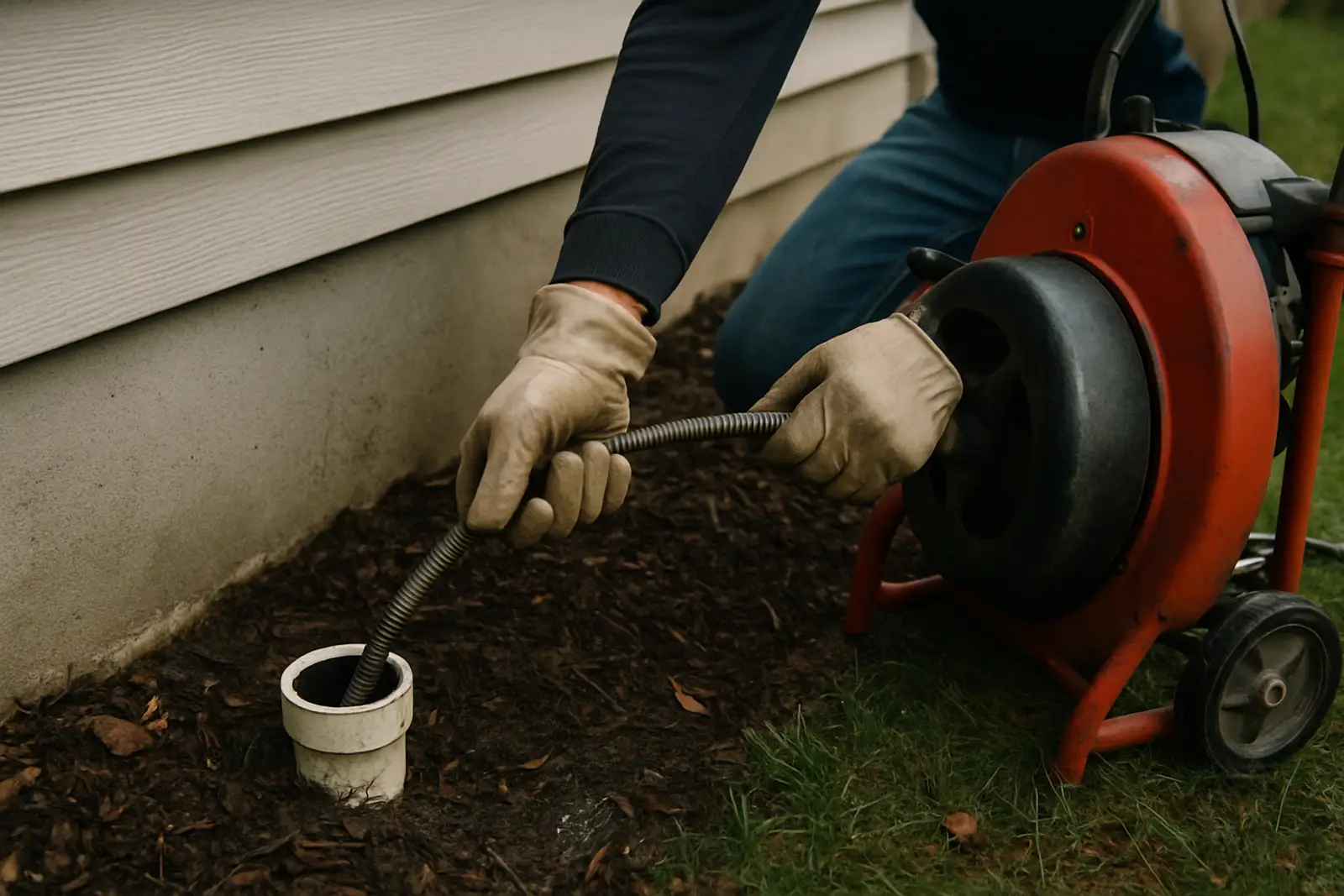
Houses and pipes in Augusta
Olde Town, Pinch Gut, Harrisburg and the neighborhoods near downtown and the Riverwalk have homes from the 1790s through the 1920s, many on crawlspaces with clay laterals.
Summerville, the Hill, was a summer retreat for wealthy families and has large homes from the 1800s and early 1900s on wooded lots.
Neighborhoods like Forest Hills, National Hills and the areas near Augusta National were built from the 1920s through the 1960s.
West Augusta, Evans and Martinez in Columbia County have grown since the 1970s with ranches and newer subdivisions.
Augusta sits on the fall line where Piedmont clay meets coastal plain sand, along the Savannah River and the Augusta Canal.
Who handles what in Augusta
Augusta Utilities runs the sewer system and the Messerly treatment plant for Augusta-Richmond County. The private lateral from an Augusta home out to the public sewer is the owner's to maintain.
Drain problems Augusta homes see most
| Problem | Why it happens here |
|---|---|
| Roots in clay laterals | Summerville, Olde Town and Forest Hills |
| Crawlspace drain leaks | Homes on brick piers |
| Sandy soil and sags | Coastal plain neighborhoods |
| Cast iron corrosion | Midcentury homes |
| Grease and wipes | Busy kitchens |
| River and canal groundwater | Low areas near downtown |
Augusta drains through the year
Hot, humid summers drive roots toward water, and summer thunderstorms soak the ground. Masters week each April fills homes and restaurants across the city.
Mild winters bring a few hard freezes that can catch crawlspace pipes.
What drain cleaning costs in Augusta
| Job | Typical range |
|---|---|
| Sink, tub or toilet cleared | $120–$255 |
| Main line cleared from a cleanout | $180–$410 |
| Root cutting | $240–$560 |
| Hydro jetting | $315–$765 |
| Sewer camera inspection | $125–$260 |
| Cleanout installation | $600–$1,750 |
Newer Columbia County lines go quickly. Old clay in Summerville and Olde Town, crawlspace work and sagging pipe in sand take longer.
Before the plumber arrives
- 1
Hold the water
Pause laundry and showers for now.
- 2
Masters week rental?
If you've rented your home for the tournament, ask guests to stop flushing until the plumber arrives.
- 3
Check under the house
A sewer smell coming through the floor of a pier-and-beam home usually means a leak in the crawlspace.
- 4
Find the cleanout
Older homes may not have one outside; check near the foundation.
Olde Town and Pinch Gut
Olde Town and Pinch Gut, near downtown and the Savannah River, have some of Augusta's oldest homes, from Federal-style houses to Victorian cottages, most on brick piers with crawlspaces. Their sewer laterals were added long after the homes were built and are often old clay. Roots and cracks are common, and groundwater near the river and the Augusta Canal adds to the strain.
Summerville
Summerville, on the hill above the city, was where wealthy families spent summers to escape the heat and fevers of the river lowlands. It's now a historic neighborhood of large homes on wooded lots, with the Partridge Inn and Augusta University's Summerville campus. Long clay laterals under big trees fill with roots, and lining protects the landscaping.
Masters week
Every April, the Masters Tournament at Augusta National brings tens of thousands of visitors, and many Augusta homeowners rent their homes to guests for the week. Homes full of visitors put heavy demands on old laterals, and guests may flush things residents never would. Jetting lines before Masters week is a smart move for rental owners.
A typical Augusta call
During Masters week, a homeowner renting a 1930s house in Forest Hills gets a call from guests that the bathtub is filling with dirty water. The plumber opens the line under the house and cables toward the street, clearing roots and wipes about thirty feet out. The camera shows cracked clay. The owner books a liner after the tournament.
The fall line
Augusta sits on the fall line, where the red clay of the Piedmont meets the sandy soils of the coastal plain. Neighborhoods on the hill sit on clay that shifts with moisture, while lower areas sit on sand that can settle. Both conditions can move a lateral over time.
Crawlspaces
Many Augusta homes, old and midcentury, sit on crawlspaces. In the humid climate, crawlspaces stay damp, and drain lines can rust, leak or sag. Leaks can soak the soil under the house for months before anyone notices.
Midcentury neighborhoods
National Hills, Forest Hills and neighborhoods west of downtown grew from the 1940s through the 1960s, many for families working at the Savannah River Site and Fort Gordon, now Fort Eisenhower. Cast iron and clay laterals from that era are aging.
Columbia County growth
Evans, Martinez and Grovetown in Columbia County have grown rapidly since the 1970s with newer homes and PVC drains. Kitchen grease and wipes, not roots, cause most of their clogs.
Fort Eisenhower families
Fort Eisenhower brings many military families, and homes near Gordon Highway and in Grovetown turn over often. A camera inspection when moving in helps catch problems before they become emergencies.
The Augusta Canal
The Augusta Canal, built in the 1840s to power mills, still runs through the city. Neighborhoods near it and near the Savannah River sit on low ground with high groundwater, and cracked laterals take in water during wet months.
Harrisburg and the mill villages along the canal have small worker cottages with very old laterals, some without cleanouts.
Restaurants on Broad Street
Broad Street and the Riverwalk have restaurants in historic buildings, and Washington Road near the National is lined with restaurants that run at full capacity during Masters week. Pumping grease traps before April keeps them open when it matters most.
Short winters
Augusta's winters are mild, but a few nights each year drop into the teens. Pipes in crawlspaces and on exterior walls freeze first. Shut foundation vents and leave a tap trickling during a hard freeze.
Savannah River Site and shift workers
Thousands of Augusta-area residents work across the river at the Savannah River Site, at the hospitals of the medical district and at the plants along the river. Shift schedules mean showers, laundry and cooking happen around the clock, and households with several working adults can push a lot of water through a lateral in a short time. A partly blocked line that holds up for a small family can overflow when everyone gets home from a shift at once.
Hill and lowland drainage
Water runs downhill from Summerville toward the river, and storm runoff from the hill collects in the lower neighborhoods near downtown. After heavy summer storms, the ground there stays soggy, and cracked laterals take in water for days. Homes at the bottom of the hill are the most likely to see storm-related slow drains.
Helpful details
Mention the neighborhood, the home's age, whether it's on piers or a slab and whether guests are staying. Note big trees near the line.
Augusta ZIP codes
- 30901
- 30904
- 30905
- 30906
- 30907
- 30909
- 30912
Augusta drain questions
Who handles sewer in Augusta?+
Augusta Utilities. The homeowner owns the lateral out to the public sewer.
Why do Summerville homes have root clogs?+
Their clay laterals are often a century old and run under huge magnolias, oaks and pines.
Does sandy soil cause sewer problems?+
It can. Sand settles around buried pipe, creating sags where debris collects.
Should Augusta buyers order a sewer camera inspection?+
Yes, especially for older homes in Summerville and near downtown.