Houses and pipes in Savannah
The Historic District has townhouses, row houses and mansions from the 1790s through the 1890s, many with raised basements or garden levels and very old sewer connections.
The Victorian District, Thomas Square and the Starland area have Victorian and early 1900s homes, many wood-frame on piers.
Ardsley Park, Chatham Crescent and Parkside were built from the 1910s through the 1940s with bungalows and Colonial Revivals.
The Southside, Windsor Forest and the islands filled in from the 1950s onward with ranches on slabs.
Savannah sits on low, sandy ground near the coast, with a high water table, tidal creeks and frequent flooding from storms and king tides.
Who handles what in Savannah
The City of Savannah's Water Resources department runs the sewer system and treatment plants. In Savannah, the property owner owns the service lateral from the building to the public sewer and pays for repairs.
Drain problems Savannah homes see most
| Problem | Why it happens here |
|---|---|
| Roots from live oaks | The Historic and Victorian districts and Ardsley Park |
| Tidal and storm flooding | Low areas near the marsh and river |
| Sand and settling pipe | Coastal soils |
| Cast iron corrosion | Old townhouses and midcentury homes |
| Wipes and grease | Short-term rentals and restaurants |
| Heavy use in student rentals | Near SCAD |
Savannah drains through the year
Hurricane season from June through November brings heavy rain and storm surge, and king tides in the fall can flood low streets on sunny days.
Summer heat and humidity drive roots toward water year-round in Savannah's mild climate.
What drain cleaning costs in Savannah
| Job | Typical range |
|---|---|
| Sink, tub or toilet cleared | $130–$270 |
| Main line cleared from a cleanout | $195–$440 |
| Root cutting | $255–$590 |
| Hydro jetting | $335–$805 |
| Sewer camera inspection | $135–$280 |
| Backflow preventer installation | $800–$2,500 |
Southside slab homes go quickly. Historic District townhouses with lines under the squares and sidewalks, live oak roots and flooded access take longer.
Before the plumber arrives
- 1
Hold off on water
Pause laundry and showers until the line is checked.
- 2
Flooding outside?
During a storm or king tide, low sewers may be surcharged; wait for water to recede.
- 3
Vacation rental?
Ask guests to stop flushing and check for wipes or other items.
- 4
Find the cleanout
Historic homes may have one in the garden-level basement or the back courtyard.
The Historic District
James Oglethorpe laid out Savannah in 1733 around a grid of squares, and the Historic District's townhouses, row houses and mansions now line those squares. Many have raised basements, called garden levels, often rented as apartments. Plumbing came long after the homes were built, and laterals are a mix of old clay, cast iron and newer pipe running under sidewalks and lanes. Live oak roots and settling sandy soil cause most problems.
Live oaks
Savannah's live oaks are its signature, and many are more than a century old. Their roots spread far beyond the canopy, through sandy soil, looking for water. Cracked joints in old laterals are easy targets. Root cutting clears the line, and lining provides a lasting fix without harming the protected trees.
The Victorian District and Starland
South of Forsyth Park, the Victorian District, Thomas Square and the Starland area have wood-frame Victorians and cottages, many on piers with crawlspaces. Drain lines under the floor can rust and leak in the humid climate, and laterals under big oaks fill with roots.
Ardsley Park
Ardsley Park and Chatham Crescent, built as streetcar suburbs in the 1910s and 1920s, have bungalows and Colonial Revivals on streets lined with live oaks. Long clay laterals and big roots are the common pairing here.
A typical Savannah call
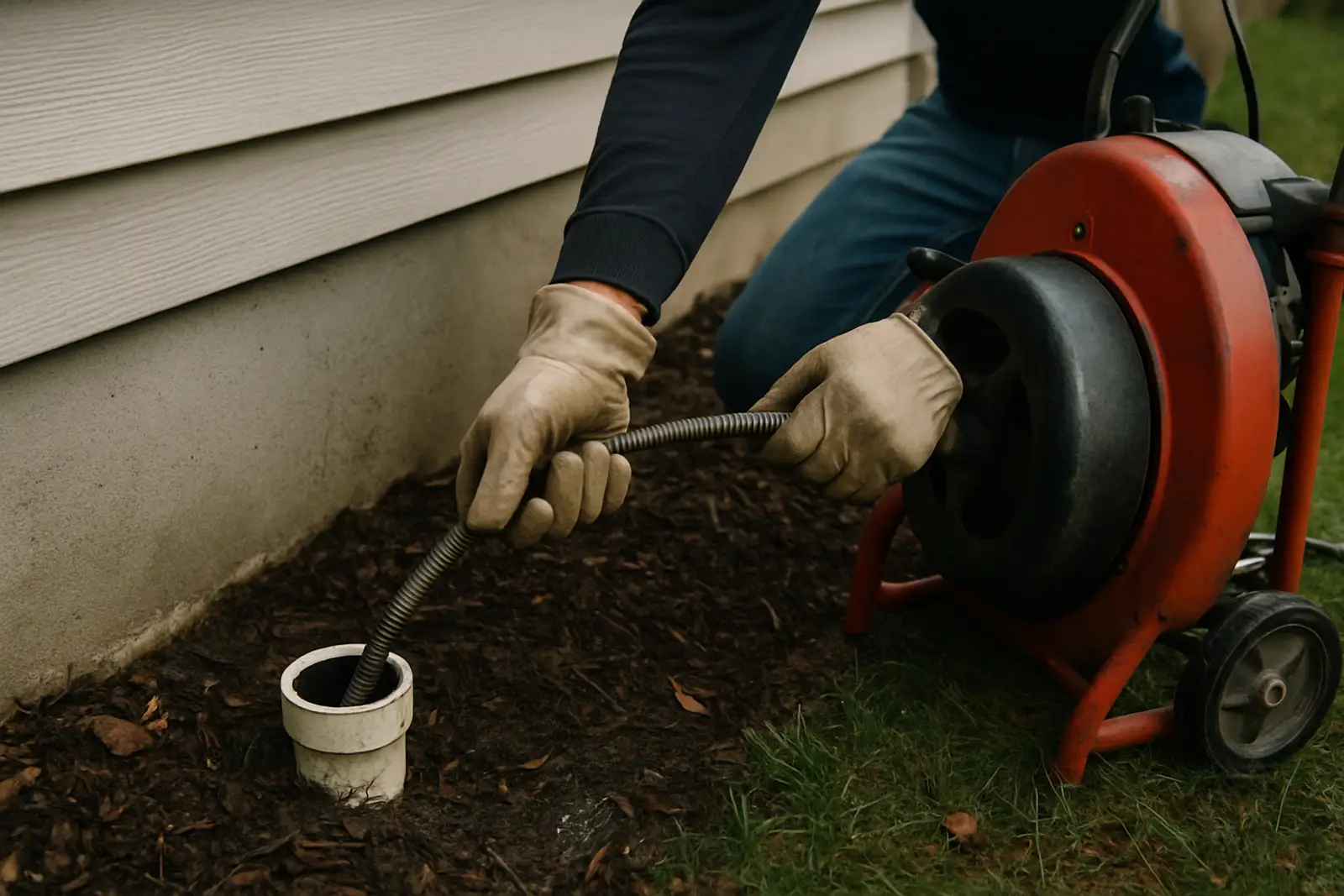
During an October king tide, the garden-level tenant in an 1880s townhouse on Jones Street finds water rising in the shower. The plumber opens the cleanout in the back courtyard and cables toward the lane, clearing roots from a live oak about twenty-five feet out. On the camera, the clay is cracked with groundwater seeping in. The owner books a liner and asks about a backflow preventer.
Tides and flooding
Savannah sits just inland from the coast, surrounded by marsh and tidal creeks. King tides, nor'easters and hurricanes can flood low streets, and groundwater rises with the tide. Cracked laterals take in water, and low sewers can surcharge. Backflow preventers and raised cleanouts help protect homes.
SCAD and student rentals
The Savannah College of Art and Design owns buildings throughout the Historic District, and many students rent apartments in old townhouses and Victorians. Heavy use and old laterals mean more clogs, especially in September.
Short-term rentals
Savannah is one of the most visited cities in the South, and many historic homes are short-term rentals. Guests flush wipes and other items, and big groups cook a lot. Rental owners who post clear signs and jet lines regularly avoid many emergencies.
The Southside and islands
The Southside, Windsor Forest and the islands like Wilmington and Whitemarsh grew from the 1950s onward with ranches on slabs. Cast iron under slabs from that era can corrode, and sandy soil can let lines sag.
River Street and restaurants
River Street, City Market and Broughton Street have restaurants in old warehouses and storefronts, serving huge tourist crowds, especially on St. Patrick's Day, when Savannah hosts one of the largest celebrations in the country. Kitchens there must pump interceptors often to keep up.
Sandy soil
Savannah's sandy soil drains well on the surface but settles over time around buried pipe. Laterals can sag, and sand can wash into cracked joints, building up with grease into stubborn clogs. Jetting flushes sand out, and lining seals cracks.
On very old lines, plumbers sometimes find brick or terra cotta sections that predate modern sewer pipe entirely.
Hurricane preparation
Before hurricane season, have older laterals inspected and cleared, and consider a backflow preventer. After a storm, watch for slow drains and odors.
Mild winters
Savannah rarely freezes, but a few cold nights each winter can catch exposed pipes in crawlspaces and on exterior walls. Wrap them before the first cold snap.
When you call
Share the neighborhood, the home's age, whether it has a garden level or crawlspace and whether it's a rental. Mention any live oaks near the line and whether a storm or high tide came first.
Savannah ZIP codes
- 31401
- 31404
- 31405
- 31406
- 31408
- 31409
- 31410
- 31411
- 31415
- 31419
- 31421
Savannah drain questions
Who handles sewer in Savannah?+
The City of Savannah's Water Resources department. The property owner owns the service lateral to the public sewer.
Do live oaks really damage sewer lines?+
Yes. Live oak roots spread wide and seek water, and old clay and cast iron joints are easy targets.
Why do drains slow during high tides?+
King tides raise groundwater and can surcharge low sewers, slowing flow in laterals.
Should I get a camera inspection before buying a historic home?+
Yes. Old laterals under sidewalks and squares can be expensive to repair.