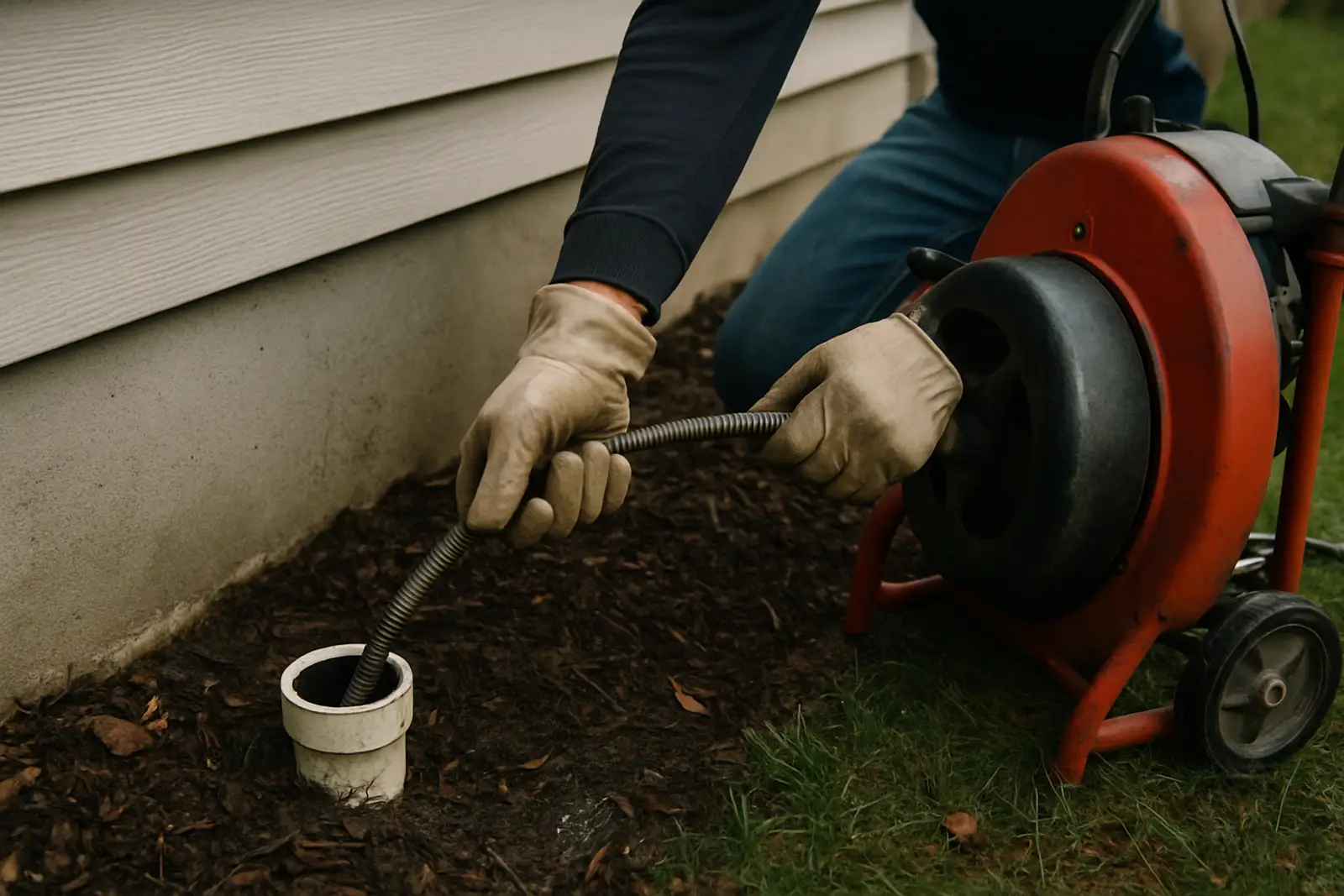
Houses and pipes in Columbia
Elmwood Park, Cottontown, Earlewood and the neighborhoods near downtown have homes from the 1890s through the 1930s, many on crawlspaces with clay laterals.
Shandon, Rosewood and Melrose Heights have bungalows and cottages from the 1910s through the 1950s.
Forest Acres, Arcadia Lakes and the northeast filled in from the 1950s through the 1980s with ranches.
Newer subdivisions in northeast Columbia and toward Lexington and Irmo have grown since the 1990s.
Columbia sits on the fall line where Piedmont clay meets coastal plain sand, along the Congaree, Broad and Saluda rivers.
Who handles what in Columbia
The City of Columbia's Utilities and Engineering department runs the sewer system and the Metro wastewater plant. Columbia homeowners maintain the private lateral from the house to the public sewer.
Drain problems Columbia homes see most
| Problem | Why it happens here |
|---|---|
| Heavy use in student rentals | Near USC |
| Roots in clay laterals | Shandon, Elmwood Park and Earlewood |
| Sandy soil and sags | Coastal plain neighborhoods |
| Crawlspace drain leaks | Older homes |
| Cast iron under slabs | Midcentury homes |
| Flooding | Low areas near creeks |
Columbia drains through the year
Hot summers drive roots toward water, and August move-in and football season bring heavy use near campus.
Mild winters bring a few hard freezes that catch crawlspace pipes.
What drain cleaning costs in Columbia
| Job | Typical range |
|---|---|
| Sink, tub or toilet cleared | $125–$260 |
| Main line cleared from a cleanout | $185–$420 |
| Root cutting | $245–$565 |
| Hydro jetting | $320–$775 |
| Sewer camera inspection | $130–$265 |
| Cleanout installation | $620–$1,800 |
Newer northeast lines go quickly. Old clay in Shandon and Elmwood Park, crowded student rentals and crawlspace work take longer.
Before the plumber arrives
- 1
Ask housemates to stop
In a student rental, everyone needs to hold off on water.
- 2
USC rental?
Your landlord should be the first call.
- 3
Check the tub
In a crawlspace home, the tub usually fills first.
- 4
Find the cleanout
Columbia bungalows often have a capped pipe by the front steps; some of the oldest only have access from the crawlspace.
Shandon and Rosewood
Shandon, one of Columbia's most popular neighborhoods, and Rosewood have bungalows and cottages from the early twentieth century on streets shaded by big oaks. Many sit on crawlspaces, and their clay laterals fill with roots. Lining protects the trees and yards.
Elmwood Park and Cottontown
Elmwood Park and Cottontown, north of downtown, have Victorian and early 1900s homes, many restored. Old clay laterals, some without cleanouts, and crawlspace plumbing are common.
Around USC
The University of South Carolina sits in the middle of the city, and neighborhoods around it, including Wales Garden and the blocks off Greene Street, have many older homes rented to students. On Gamecock football Saturdays, Williams-Brice Stadium fills with 80,000 fans, and nearby homes host crowds. Old laterals get pushed hard.
The fall line
Columbia sits on the fall line, where the red clay of the Piedmont meets the sandy soils of the coastal plain. Neighborhoods on clay see shrinking and swelling, while those on sand see settling. Both can move laterals over time.
A typical Columbia call
The week before the first home game, five students in a 1930s house in Shandon find the bathtub filling with gray water. The plumber opens the cleanout and pulls out hair, wipes and oak roots about twenty-five feet out. The camera shows cracked clay. The owner plans a liner over winter break.
The 2015 flood
In October 2015, historic rainfall flooded parts of Columbia, washing out roads and dams and filling homes near Gills Creek and Rocky Branch. Lines in flooded areas filled with silt, and saturated soil shifted pipe. Homes that flooded should have their lines inspected.
Crawlspaces
Many older Columbia homes sit on crawlspaces, and the humid climate keeps them damp. Old galvanized and cast iron drains under the floor corrode in that humidity, and a sewage odor coming up through the floor usually means one has started leaking.
Midcentury neighborhoods
Forest Acres and the northeast filled in from the 1950s through the 1980s with ranches for families working at Fort Jackson and in state government. Cast iron under slabs from that era is aging.
Fort Jackson families
Fort Jackson, the Army's largest basic training center, brings many military families. Landlords near the base who have the line jetted between soldiers' families see far fewer emergency calls.
Restaurants in the Vista and Five Points
The Vista, Five Points and Main Street have restaurants and bars serving students, state workers and fans. Kitchens there pump grease traps before football season to stay open on game days.
Five Points' bars and late-night spots near campus run fryers long after most kitchens close and need frequent interceptor service.
Summer heat
Columbia is famously hot, with long summers in the upper nineties. Trees send roots far for water, and cracked joints attract them. A root cutting in April, before the worst of the heat, prevents a lot of July emergencies.
Mild winters
Columbia winters are mild, but a few nights drop into the teens. Crawlspace pipes freeze first. Shut the foundation vents when the forecast calls for the teens.
Melrose Heights and the Gills Creek area
Melrose Heights, Rosewood's eastern blocks and the neighborhoods along Gills Creek have bungalows and ranches from the 1920s through the 1950s. Several of these streets took on water in the 2015 flood, and many homes were repaired afterward without the lateral ever being checked. Silt left in a line after a flood can settle in low spots and cause recurring clogs years later. A camera inspection shows whether the line came through clean.
Waverly and the historic Black neighborhoods
Waverly, near Benedict College and Allen University, is one of Columbia's oldest historically Black neighborhoods, with homes from the late 1800s and early 1900s. Many have been in families for generations, and their clay laterals have rarely been replaced. Roots, cracks and missing cleanouts are common. Putting in an outside cleanout on the first visit saves time and money every time after.
State House workers and downtown condos
Downtown Columbia has added condos and apartments in old warehouses and office buildings, and new plumbing often ties into very old sewer connections. Where new pipe meets old, joints can fail or catch debris. A camera inspection after a renovation confirms the connection is sound.
When you call
Share the neighborhood, the home's age, whether it's a student rental and whether it's on a crawlspace or slab. Mention big trees near the line.
Columbia ZIP codes
- 29044
- 29045
- 29201
- 29203
- 29204
- 29205
- 29206
- 29207
- 29208
- 29209
- 29210
- 29212
- 29223
- 29225
- 29229
Columbia drain questions
Who handles sewer in Columbia, SC?+
The City of Columbia's Utilities and Engineering department. The private lateral is the homeowner's.
Why do USC-area rentals clog so often?+
Several students in an old house send a lot of hair, grease and wipes through clay laterals built for one family.
Does sandy soil affect sewer lines?+
Yes. Sand can settle around pipe, creating sags, and wash into cracked joints.
Is a sewer scope worth it before buying in Shandon?+
Yes. Old clay laterals there often have roots or cracks.