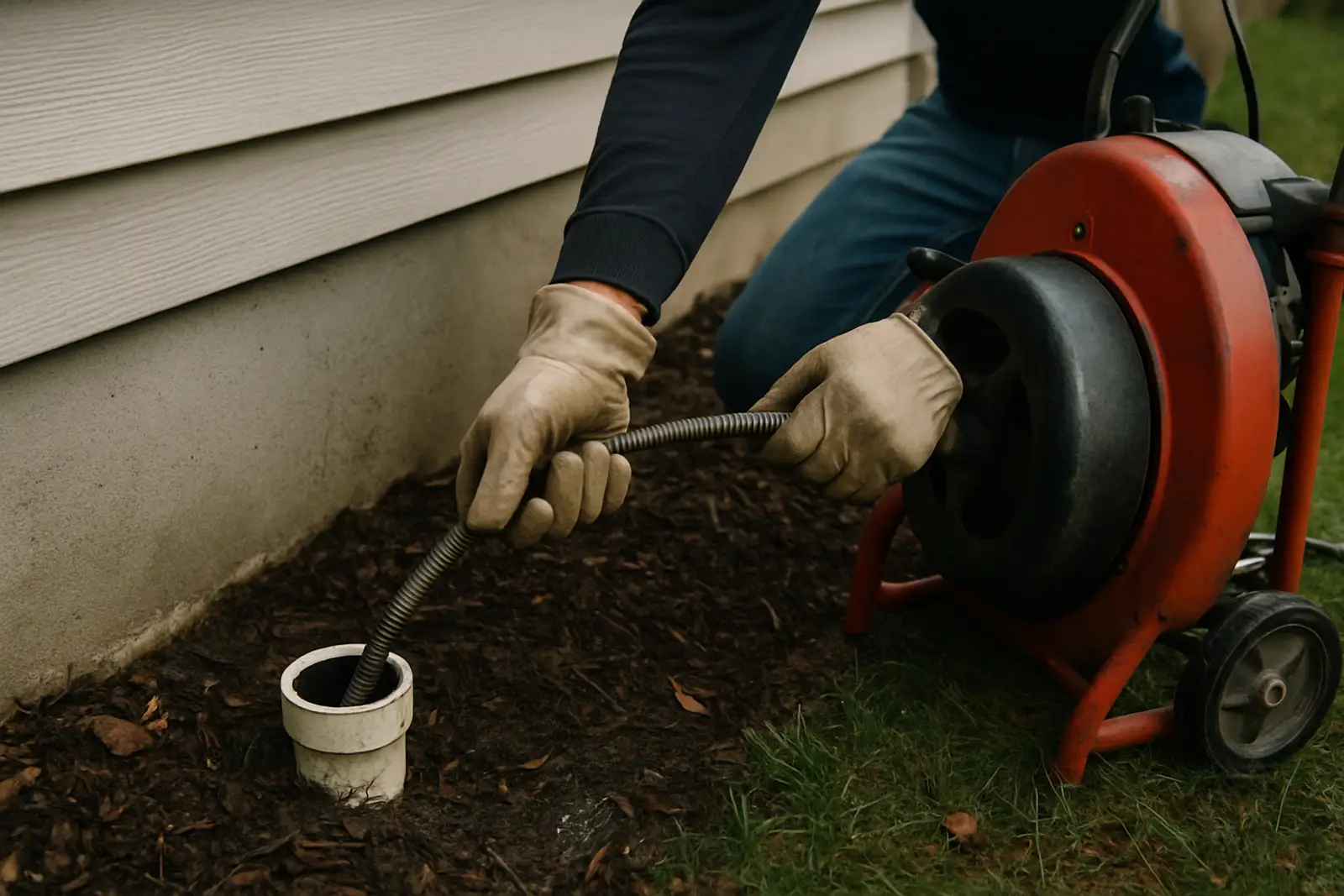
Houses and pipes in Chesapeake
South Norfolk, the city's oldest neighborhood, has homes from the 1890s through the 1940s with old clay and cast iron sewer lines.
Western Branch, Indian River, Deep Creek and the older parts of Greenbrier were built from the 1960s through the 1980s with slab and crawlspace homes, many with cast iron drains.
Great Bridge, Hickory, Grassfield and the newer parts of Greenbrier grew from the 1990s onward with PVC drains and larger homes.
Large parts of southern Chesapeake, near Hickory, Pungo Ferry and the Great Dismal Swamp, are rural and many homes there use septic systems.
The city sits on low, flat ground laced with rivers, canals and wetlands, including the Elizabeth River branches and the Intracoastal Waterway.
Who handles what in Chesapeake
Chesapeake Public Utilities runs the city's sewer collection system, and the Hampton Roads Sanitation District treats the wastewater. The lateral from a Chesapeake home out to the public cleanout or main is the property owner's responsibility.
Drain problems Chesapeake homes see most
| Problem | Why it happens here |
|---|---|
| Cast iron corrosion | 1960s through 1980s slab homes |
| Groundwater infiltration | Low, wet ground citywide |
| Roots in older lines | South Norfolk and Western Branch |
| Septic problems | Rural southern Chesapeake |
| Grease and wipes | Family households |
| Storm and tidal flooding | Low areas near rivers |
Chesapeake drains through the year
Hurricane season and summer thunderstorms bring heavy rain that saturates the flat ground, overloads sewers and floods septic drain fields.
Fall and winter nor'easters raise tides and groundwater along the rivers.
What drain cleaning costs in Chesapeake
| Job | Typical range |
|---|---|
| Sink, tub or toilet cleared | $135–$280 |
| Main line cleared from a cleanout | $200–$450 |
| Root cutting | $260–$595 |
| Hydro jetting | $340–$820 |
| Sewer camera inspection | $140–$285 |
| Septic line clearing | $200–$480 |
Newer Great Bridge and Grassfield lines clear quickly. Old South Norfolk pipe, corroded cast iron under slabs and septic issues take longer.
Before the plumber arrives
- 1
Stop using water
Pause laundry, showers and the dishwasher.
- 2
City sewer or septic?
Tell the plumber which you have; septic backups may need a pump truck.
- 3
Check the tub
With no basement, the lowest tub or shower usually fills first.
- 4
Find the cleanout
Look outside near the foundation or at the property line.
South Norfolk
South Norfolk was its own city until it merged with Norfolk County in 1963 to form Chesapeake. Its streets of Victorian, Craftsman and early 1900s homes grew around the railroads and shipyards, and many still have old clay tile and cast iron sewer lines. Big oaks and magnolias shade the yards, and roots are a common cause of backups. Lining is often the best fix for these old lines.
Suburban growth
From the 1960s onward, Chesapeake's farmland turned into subdivisions in Western Branch, Indian River, Deep Creek and Greenbrier. Most homes were built on slabs or crawlspaces with cast iron drains. After forty to sixty years, that cast iron can corrode and crack, especially in the wet, low-lying soil. Slow drains throughout the house and recurring clogs are warning signs.
Great Bridge and the newer south
Great Bridge, site of an early Revolutionary War battle, has become one of the most popular parts of the city, with newer subdivisions spreading toward Hickory and Grassfield. Homes there have PVC drains and rarely see root intrusion. Calls are mostly about grease, wipes and the occasional construction debris in a new line.
Septic in the rural south
Southern Chesapeake, toward the North Carolina line and the Great Dismal Swamp, is still rural, with farms, horse properties and homes on septic systems. In that flat, wet ground, drain fields can saturate after heavy rain, making drains slow throughout the house. A full septic tank, a clogged outlet baffle or a failing drain field can all look like a clog. Regular pumping, every three to five years for most households, keeps systems working.
A typical Chesapeake call
After a week of tropical storm rain in September, a family in a 1978 slab ranch in Western Branch notices the tub filling with gray water when the washing machine drains. The plumber opens the outside cleanout and clears a partial blockage of grease and scale. The camera shows heavy scale and a crack in the cast iron under the slab. The family gets quotes for lining.
Rivers, canals and wet ground
Chesapeake is laced with the branches of the Elizabeth River, the Northwest River, the Albemarle and Chesapeake Canal and the Intracoastal Waterway. Groundwater sits close to the surface in much of the city, and cracked laterals take in water during wet periods. Low areas near the rivers can see tidal flooding during storms and nor'easters.
Crawlspaces and moisture
Many older Chesapeake homes sit on crawlspaces, where drain lines run under the floor. In the humid coastal climate, a small leak can go unnoticed and add moisture to the crawlspace. Sewer odors, damp floors or rising humidity under the house are signs to have the lines checked.
Military and shipyard families
Chesapeake is home to many families who work at Norfolk Naval Station, the Norfolk Naval Shipyard and other bases and shipyards around Hampton Roads. Families who move often may not know a home's plumbing history, and a camera inspection when moving in can prevent surprises.
Restaurants and shopping centers
Greenbrier, Chesapeake Square, Great Bridge and the Battlefield Boulevard corridor have many restaurants and chain eateries. Commercial kitchens need grease interceptors pumped on schedule and lines jetted regularly to prevent backups.
Deep Creek and the canal
Deep Creek grew up around the northern end of the Dismal Swamp Canal, one of the oldest operating canals in the country, and its neighborhoods mix older homes near the locks with ranches and split-levels from the 1960s and 1970s. The ground here is soft, dark and wet, and laterals laid in it tend to settle unevenly. A line that sags even an inch or two holds standing water, and grease and paper collect in that low spot until the pipe closes off. Jetting clears the belly, but the camera usually tells the owner whether a section needs to be dug up and relaid on firmer bedding.
Grinder pumps and low lots
In parts of Chesapeake where the ground is too flat or too low for gravity sewer, homes are connected through small pressure systems with a grinder pump in the yard. The pump chops waste and pushes it into a pressure main. When the power goes out during a storm, or wipes and grease jam the grinder, the house backs up quickly. Grinder pump homes should treat wipes as a strict no, keep the alarm panel working and know who to call for pump service before a hurricane arrives.
Storm season
Before hurricane season, it's worth having an older line inspected and cleared so it can handle heavy rain. After a major storm, check for slow drains, odors or signs of a backup, especially in low-lying neighborhoods.
Calling a Chesapeake plumber
Say which part of Chesapeake you're in, the home's age, whether it's on a slab or crawlspace and whether you're on city sewer or septic. Mention where water appeared and whether heavy rain or flooding came first.
Chesapeake ZIP codes
- 23320
- 23321
- 23322
- 23323
- 23324
- 23325
Chesapeake drain questions
Who handles sewer in Chesapeake?+
Chesapeake Public Utilities maintains the public system, and HRSD treats the wastewater. Your lateral is yours.
Is my Chesapeake home on septic?+
Many homes in rural southern Chesapeake are. If you don't get a sewer bill, you're likely on septic.
Why do slab homes from the 1970s have drain problems?+
Cast iron under the slab can corrode after decades, causing slow drains and backups.
Should I scope the line before buying in Chesapeake?+
Yes. Cast iron under slabs and older clay lines are common sources of costly repairs.