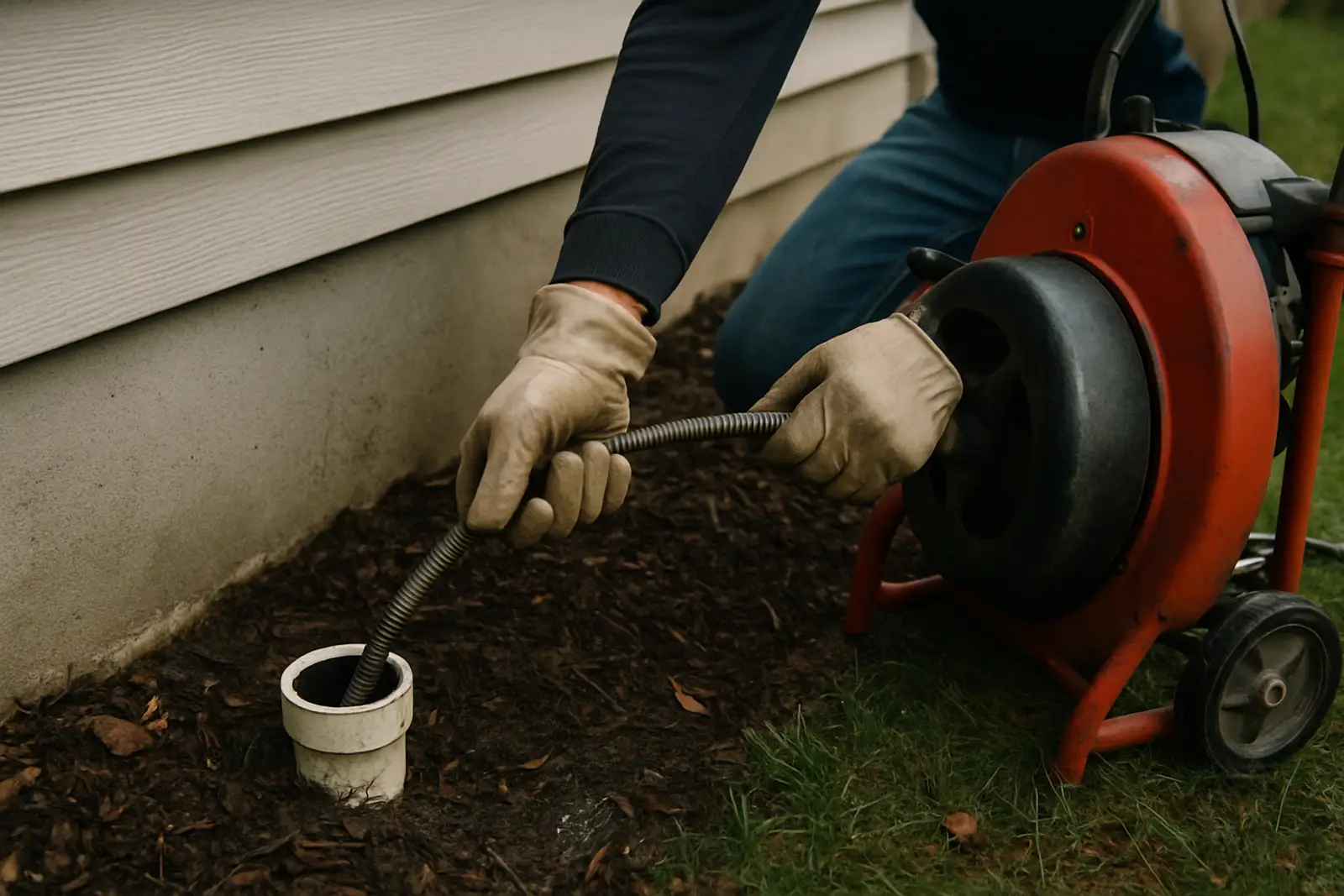
Houses and pipes in Hampton
Phoebus, downtown Hampton and the neighborhoods near Hampton University have homes from the 1880s through the 1930s, with old clay and cast iron sewer lines.
Wythe, Elizabeth Lake Estates, Riverdale and much of central Hampton were built from the 1940s through the 1960s with Cape Cods, ranches and brick colonials, many on crawlspaces.
Fox Hill, Buckroe and the areas near Langley Air Force Base mix older cottages with postwar homes, many in low, flood-prone areas.
North Hampton, near Coliseum Central and toward Newport News, was built mostly from the 1960s through the 1980s with slab and crawlspace homes.
Hampton sits on low, flat ground surrounded by water, with Hampton Roads, the Chesapeake Bay and several rivers and creeks, and many neighborhoods flood during storms and high tides.
Who handles what in Hampton
The City of Hampton's Public Works department maintains the local sewer collection system, and HRSD treats the wastewater. Hampton homeowners own the lateral from the house to the city cleanout or main.
Drain problems Hampton homes see most
| Problem | Why it happens here |
|---|---|
| Groundwater infiltration | High water table citywide |
| Tidal and storm flooding | Fox Hill, Buckroe and Wythe |
| Roots in clay pipe | Phoebus and older neighborhoods |
| Cast iron corrosion | Postwar crawlspace and slab homes |
| Grease and wipes | Military and family households |
| Settling pipe | Sandy, soft soils |
Hampton drains through the year
Hurricane season brings heavy rain and storm surge, and summer thunderstorms dump water on flat ground that drains slowly.
Nor'easters in fall and winter push tides into low neighborhoods and keep groundwater high.
What drain cleaning costs in Hampton
| Job | Typical range |
|---|---|
| Sink, tub or toilet cleared | $135–$275 |
| Main line cleared from a cleanout | $200–$445 |
| Root cutting | $260–$590 |
| Hydro jetting | $340–$815 |
| Sewer camera inspection | $140–$280 |
| Backflow preventer installation | $800–$2,450 |
Newer north Hampton lines clear quickly. Old Phoebus pipe, corroded cast iron in crawlspaces and work during flooding take longer.
Before the plumber arrives
- 1
Hold the water
Stop the washer and dishwasher and wait on showers.
- 2
Street flooded?
If the street is under water from a storm or high tide, the sewer may be surcharged. Wait for it to recede.
- 3
Watch the tub
The lowest tub or shower usually shows the backup first.
- 4
Locate the cleanout
Check the yard near the front foundation or by the sidewalk.
Phoebus and old Hampton
Phoebus, once its own town next to Fort Monroe, has a small historic downtown and streets of homes from the late 1800s and early 1900s. Downtown Hampton and the neighborhoods around Hampton University have similarly old houses. Their sewer lines are often clay tile or cast iron a century old, and roots from big oaks and magnolias have worked into many joints.
Postwar growth
After World War II, Hampton grew rapidly to house workers at NASA Langley Research Center, Langley Air Force Base, Fort Monroe and the shipyards across the water. Neighborhoods like Wythe, Elizabeth Lake Estates and Riverdale filled with Cape Cods, ranches and brick colonials, many on crawlspaces. Their cast iron drains and clay laterals are now seventy to eighty years old, and scale, cracks and roots are common.
Flooding and groundwater
Hampton is surrounded by water, and much of it sits only a few feet above sea level. Fox Hill, Buckroe, Wythe and Grandview flood during storms and king tides, and groundwater sits close to the surface year round. Cracked laterals take in groundwater and sand, and during floods the sewer can surcharge, pushing water back into low fixtures. Repairing cracked pipe, adding a backflow preventer and raising cleanout caps above flood level help protect homes.
A typical Hampton call
During an October nor'easter, a family in a 1955 Cape Cod in Wythe notices the tub draining slowly and the toilet gurgling. The plumber opens the outside cleanout and finds the lateral partly blocked by roots and sand about twenty-five feet out. After clearing it, the camera shows cracked clay with groundwater seeping in. Because the street floods a few times a year, they pair a liner with a backflow preventer and a raised cleanout cap.
Crawlspace homes
Many Hampton homes sit on crawlspaces, where drain lines run under the floor before exiting to the lateral. In the damp coastal climate, cast iron there corrodes, and leaks can go unnoticed. Sewer odors, damp floors or a musty smell from the crawlspace are signs to have the lines checked.
Langley and NASA families
Hampton's economy is built around Langley Air Force Base, NASA Langley and the defense contractors nearby. Many families move often, and a camera inspection when moving into a home helps avoid surprises with an aging line.
Fox Hill and Buckroe
Fox Hill, a former fishing village on the Chesapeake Bay, and Buckroe Beach have older cottages and postwar homes on very low ground. Flooding is frequent, and sandy soil lets pipe settle. Lines there can sag, separate and fill with sand. Jetting and a camera inspection show what's happening.
North Hampton
North Hampton, around Coliseum Central and toward Newport News, filled in from the 1960s through the 1980s with slab and crawlspace homes. Cast iron under slabs is common and can corrode after forty to sixty years, causing slow drains throughout the house.
Restaurants and seafood
Hampton's seafood restaurants, from downtown and the waterfront to Phoebus and Coliseum Central, fry and steam a lot of seafood. Commercial kitchens need grease interceptors pumped on schedule and lines jetted to avoid backups.
Sand in the line
Sandy soil washes into cracked joints and settles in low spots in the pipe. Over time, sand mixed with grease and paper can build into a stubborn blockage. Hydro jetting flushes the sand out, and lining or spot repairs seal the cracks that let it in.
Hampton University and the waterfront
Hampton University's campus sits on the water at the mouth of the Hampton River, and the older neighborhoods around it and along Kecoughtan Road were among the first in the city to get sewer service. Some of those early laterals were laid shallow because the water table left little room to go deeper. Shallow pipe in soft ground near the river is easily shifted by heavy trucks, tree roots and decades of settling. When a camera shows a lateral that wanders up and down along its length, holding water in the low spots, replacement on firm bedding is usually the lasting answer.
Storm readiness
Before hurricane season, have an older line inspected and cleared. After a big storm, watch for slow drains, odors or water in low fixtures, and have the line checked if anything seems off.
Calling a Hampton plumber
Share the neighborhood and the home's age, whether it's on a crawlspace or slab and whether the street floods. Mention whether a storm or high tide came first and where the water showed up.
Hampton ZIP codes
- 23651
- 23661
- 23663
- 23664
- 23665
- 23666
- 23667
- 23668
- 23669
- 23681
Hampton drain questions
Who handles sewer in Hampton?+
Hampton Public Works maintains the local system, and HRSD treats wastewater. Your lateral is yours.
Why do my drains slow down during high tides?+
High tides raise groundwater and can surcharge sewers in low areas, slowing flow in your lateral.
Is a backflow preventer worth it in Hampton?+
In flood-prone neighborhoods, yes. It helps keep sewage from flowing back into the house during surcharges.
Should I scope the line before buying in Hampton?+
Yes. Cast iron corrosion and root intrusion are common in postwar homes.