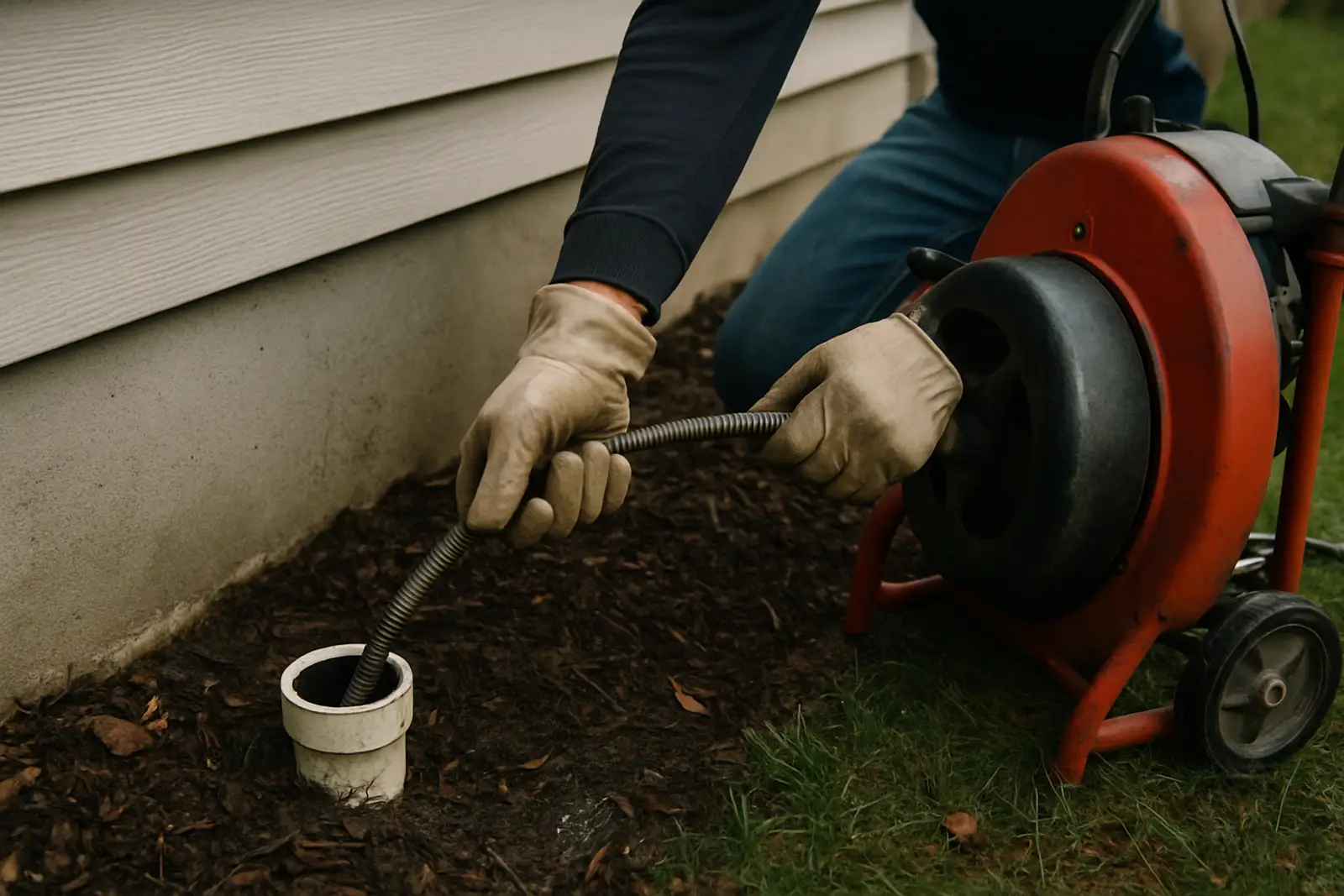
Houses and pipes in Elgin
The Elgin Historic District, the Gifford Park area and the near east and west sides above downtown have homes from the 1860s through the 1920s, including Victorians, foursquares and workers' cottages with basements and clay tile laterals.
The postwar neighborhoods around the old Elgin Watch Company site and farther out were built from the 1940s through the 1970s with ranches, Cape Cods and bi-levels over full basements.
Far west Elgin, toward Randall Road and Route 20, grew rapidly from the 1990s onward with PVC drains, sump pumps, finished basements and many ejector pumps.
Elgin straddles the Fox River, with older neighborhoods on steep bluffs and newer subdivisions on flat farmland to the west.
Elgin has a large Latino community, a casino on the river and a downtown that has been reviving with restaurants and arts venues.
Who handles what in Elgin
The City of Elgin maintains the public sewers, and the Fox River Water Reclamation District treats the wastewater. Homeowners in Elgin own their sewer service line from the house to the main.
Drain problems Elgin homes see most
| Problem | Why it happens here |
|---|---|
| Roots in clay tile | Historic district and near east and west sides |
| Basement backups | Older homes on the bluffs |
| Sump pump failures | Newer west side homes |
| Ejector pump trouble | Finished basements |
| Cast iron scale | Postwar homes |
| Frozen lines | Winter cold |
Elgin drains through the year
Spring rains and summer thunderstorms bring the most basement backups, and roots in old clay lines grow fastest in summer.
Winter cold snaps freeze drains in garages, enclosed porches and exterior walls, as well as sump discharge lines.
What drain cleaning costs in Elgin
| Job | Typical range |
|---|---|
| Sink, tub or toilet cleared | $140–$290 |
| Main line cleared from a cleanout | $210–$465 |
| Root cutting | $275–$615 |
| Hydro jetting | $355–$845 |
| Sewer scope inspection | $145–$290 |
| Ejector pump service | $250–$600 |
West side PVC lines clear quickly. Century-old clay in the historic district, steep laterals on the bluffs and ejector pump work take longer.
Before the plumber arrives
- 1
Stop water use
Hold off on laundry, showers and dishes.
- 2
Check the lowest drain
Water at the basement floor drain or laundry tub points to the main.
- 3
Pump alarm?
Stop using basement fixtures if an ejector alarm is sounding.
- 4
Find the cleanout
Usually in the basement near the front wall or utility area.
The watch factory years
From 1864 until the 1960s, the Elgin National Watch Company was one of the largest watchmakers in the world, and the city grew around it. Workers and managers built homes on the bluffs above the Fox River, from modest cottages to grand Victorians. The Elgin Historic District and Gifford Park Association area preserve hundreds of those homes. Their clay tile laterals run under parkways shaded by maples, oaks and elms, and roots have worked into the joints over the decades.
Steep bluffs and long laterals
Many older Elgin homes sit on sloped lots above the river, and their sewer laterals run downhill to the main at a steep pitch or across long distances. Steep lines can let water outrun solids, leaving debris behind, while long lines give roots more joints to enter. A camera inspection shows where problems are.
Postwar Elgin
After World War II, Elgin grew outward with ranches, Cape Cods and bi-levels. Many have cast iron drains under the basement floor and clay laterals to the street. At this age, scale in the cast iron and roots in the clay are the most common problems.
West Elgin
West of Randall Road, Elgin's newer neighborhoods were built from the 1990s onward on former farmland. These homes have PVC drains, sump pumps and often finished basements with bathrooms served by ejector pumps. Most calls are about grease, wipes and pump failures rather than broken pipe.
A typical Elgin call
After a June storm, a family in a 1905 foursquare in the historic district finds dirty water around the basement floor drain. The plumber opens the cleanout and cuts out roots from a big maple about thirty feet out. The camera shows several cracked clay joints. The family chooses lining to protect the tree and the historic yard.
Sump pumps and storms
Most Elgin homes built after the 1960s have sump pumps to keep groundwater out of the basement. When a pump fails during a storm, the basement floods with clean water, which is different from a sewer backup. Test the pump in spring and consider a battery backup.
Busy households
Elgin has many large and multigenerational households, and kitchens see a lot of cooking. Grease in kitchen drains, hair in showers and wipes in toilets cause most clogs. Small habits like wiping pans and using shower strainers prevent many calls.
Downtown and the riverfront
Downtown Elgin's restaurants, the Grand Victoria Casino and the corridors along Route 20, Larkin Avenue and Randall Road have many commercial kitchens. Grease interceptors pumped regularly and lines jetted on schedule keep them running.
Winter in Elgin
Elgin winters bring long cold spells. Drains in garages, enclosed porches and exterior walls freeze first, and sump discharge lines can freeze and back water up. Insulate exposed pipe, keep garage doors closed and make sure sump lines drain freely.
Gifford Park and the near east side
East of the river, the Gifford Park neighborhood and the blocks around Channing Street and Douglas Avenue hold some of Elgin's most carefully restored Victorians, along with simple worker houses that have been divided into flats over the years. Several households sharing one century-old clay lateral is common here, and so is a basement that was never meant to be lived in but now holds a laundry, a shower and sometimes a bedroom. When the shared line slows, the basement shower or laundry tub is usually the first fixture to fill with gray water. Owners of these buildings get the best results by jetting the main every year or so and putting a camera down after any repeat clog.
Many of these homes also have downspouts or old areaway drains that were tied into the sanitary sewer generations ago. During a summer storm, that roof water rushes into the same lateral as the household waste and can push it back into the basement. Disconnecting those old storm connections is often the cheapest flood protection an owner can buy.
Backwater valves and floor drain plugs
For a finished basement in the older parts of Elgin, a backwater valve on the main line is worth pricing. It's a one-way flap that lets waste leave the house but closes when the public sewer surcharges during heavy rain. Some homeowners also use a floor drain standpipe or float plug as a cheaper first step. Both need occasional cleaning, since a flap stuck open with debris offers no protection when the storm arrives.
What to tell an Elgin plumber
Give your neighborhood and the home's age, whether there's a finished basement, sump or ejector pump, and where the water showed up. Mention big parkway trees and whether the trouble started after rain.
Elgin ZIP codes
- 60120
- 60123
- 60124
Elgin drain questions
Who handles sewer in Elgin?+
The city maintains public sewers and the Fox River Water Reclamation District treats wastewater. The service line from the home is the owner's.
Are old Elgin homes prone to root clogs?+
Yes. Clay laterals in the historic neighborhoods are often a century old, and large parkway trees grow right over them.
What does an ejector pump do?+
It lifts waste from a basement bathroom or laundry up to the sewer line, which sits higher than the basement floor.
Should I scope the sewer before buying in Elgin?+
Yes, especially for homes built before 1970.