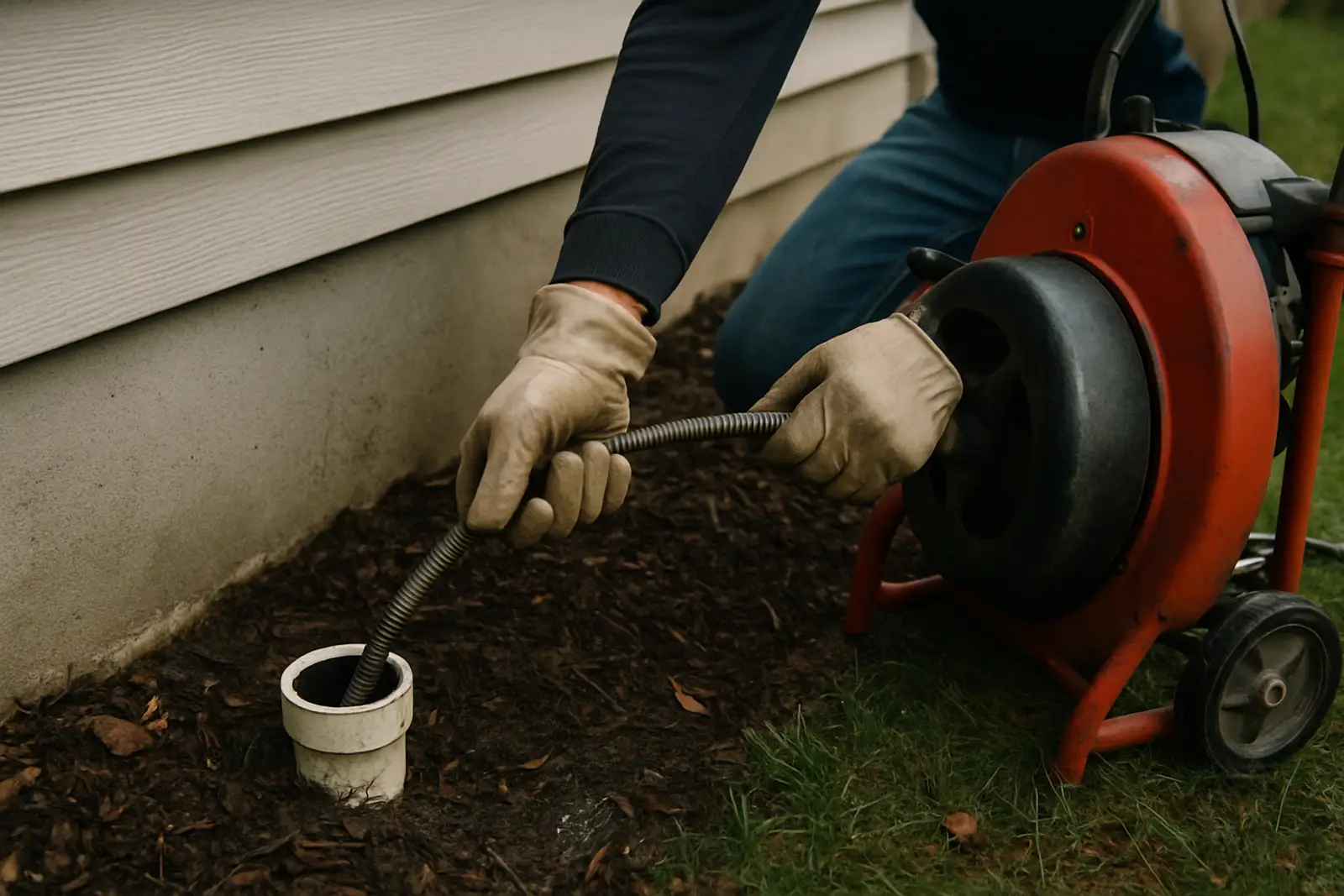
Houses and pipes in Milwaukee
Bay View, Walker's Point, Riverwest, Brewers Hill and the near South Side have cottages, Polish flats and duplexes from the 1870s through the 1920s, with basements and clay laterals.
The Milwaukee duplex, a two-story house with one flat on each floor, is everywhere on the North and South Sides, built mostly from the 1900s through the 1930s.
Washington Heights, Story Hill, Sherman Park and Bay View's southern blocks have bungalows and period revival homes from the 1910s through the 1940s.
The far Northwest and Southwest sides filled in after World War II with ranches and Cape Cods.
The older core has combined sewers, and the Milwaukee Metropolitan Sewerage District's Deep Tunnel stores overflow 300 feet below the city.
Who handles what in Milwaukee
The City of Milwaukee maintains local sewers, and MMSD runs the regional interceptors, Deep Tunnel and the Jones Island and South Shore treatment plants. Milwaukee property owners own the lateral from the house to the public sewer.
Drain problems Milwaukee homes see most
| Problem | Why it happens here |
|---|---|
| Basement backups in storms | Combined and older sewer areas |
| Roots in clay laterals | Washington Heights, Bay View and Story Hill |
| Duplex shared lines | Two-family homes citywide |
| Frozen lines | Lake Michigan winters |
| Cast iron corrosion | Century-old homes |
| Clear-water infiltration | Footing drains and cracked laterals |
Milwaukee drains through the year
Spring rain on frozen or saturated ground and summer thunderstorms overload sewers and flood basements, and roots grow fastest from June through August.
Long winters with stretches below zero freeze pipes in unheated basements, enclosed porches and exterior walls.
What drain cleaning costs in Milwaukee
| Job | Typical range |
|---|---|
| Sink, tub or toilet cleared | $130–$275 |
| Main line cleared from a cleanout | $200–$445 |
| Root cutting | $260–$595 |
| Hydro jetting | $340–$815 |
| Sewer camera inspection | $135–$280 |
| Backwater valve installation | $900–$2,750 |
Postwar homes on the far Northwest side go quickly. Century-old clay, duplexes with shared lines and homes without a cleanout take longer.
Before the plumber arrives
- 1
Tell the other flat
In a duplex, upstairs and downstairs share one lateral; both need to stop running water.
- 2
Storm-related?
If the basement flooded during heavy rain and neighbors have water too, MMSD's system may be overloaded.
- 3
Check the floor drain
Water rising in the basement floor drain or laundry tub points to the lateral.
- 4
Find the cleanout
Look on the street-side basement wall near the floor.
The Milwaukee duplex
Milwaukee's most common older house is the duplex, a two-story wood-frame home with a flat on each floor, built for working families who lived in one unit and rented the other. Thousands line the North and South Sides. Both flats share one basement and one lateral. When the lateral clogs, water from upstairs comes out of the basement floor drain or the lower flat's tub.
Polish flats
On the South Side, Polish immigrants built Polish flats, small cottages that were later raised to add a basement apartment underneath. Families lived in the basement unit while renting the upper floor, or the reverse. Those lower units sit at the bottom of the plumbing, and old clay laterals mean roots and backups are common.
Deep Tunnel and combined sewers
Milwaukee's older core has combined sewers, and for years they overflowed into Lake Michigan and the Milwaukee, Menomonee and Kinnickinnic rivers. MMSD's Deep Tunnel, opened in 1993 and later expanded, stores huge volumes of overflow until the plants can treat it. Overflows have dropped dramatically, but local sewers can still back up into basements during extreme storms, like the 2010 and 2024 floods.
Clear water in the sewer
Many older Milwaukee homes have foundation footing drains or downspouts tied into the lateral, and cracked laterals let in groundwater. During storms, that clean water floods the sanitary sewer. MMSD and area communities have run programs to disconnect footing drains and line laterals to reduce this load. A sump pump that discharges to the yard is the usual fix for footing drains.
A typical Milwaukee call
After a July storm, the lower-flat tenant in a 1918 duplex in Washington Heights finds water spreading from the basement floor drain. The owner calls a plumber, who opens the cleanout and cuts roots from a big ash tree on the terrace about thirty feet out. The camera shows a cracked clay joint and a sag near the curb. The owner looks into a liner and a backwater valve.
Bay View and the South Side
Bay View, along the lake south of downtown, grew around a rolling mill in the late 1800s, and its cottages and duplexes have old clay laterals under big terrace trees. The South Side's Polish and later Latino neighborhoods have similar housing and similar problems.
Lake Michigan winters
Milwaukee winters bring long stretches below freezing and occasional subzero cold off the lake. Pipes in unheated basements, enclosed porches and exterior walls freeze first. Keep the basement heated, insulate pipes along exterior walls and leave a faucet running slowly on the coldest nights.
Brewers and restaurants
Milwaukee's breweries, from the big names to the craft taprooms in Walker's Point and the Third Ward, along with its supper clubs and fish fry restaurants, put a lot of waste and grease into the sewers. Restaurants and breweries keep their lines open by maintaining interceptors and jetting on schedule.
Postwar neighborhoods
The far Northwest and Southwest sides filled in after World War II with ranches and Cape Cods. Cast iron and clay laterals from that era are now aging, and many of these homes have finished basements.
Ash trees
Emerald ash borer killed most of Milwaukee's ash trees in the 2010s, and the city removed thousands from terraces. Dead and removed trees leave root systems that rot in place, and replacement trees are now growing new roots. Old roots in laterals can break loose and cause clogs.
Where a terrace tree was cut down, the stump grinding rarely reaches deep enough to remove the roots around the lateral, so plumbers still pull old ash roots out of lines years later.
Riverwest and Brewers Hill
Riverwest and Brewers Hill, along the Milwaukee River north of downtown, have cottages and duplexes from the late 1800s on hilly streets near the river bluffs. Old clay laterals and steep runs mean roots and occasional sags.
What to tell the plumber
Mention the neighborhood, whether it's a duplex or single-family, the home's age and where the cleanout is. Say whether a storm came first and whether neighbors have water.
Milwaukee ZIP codes
- 53202
- 53203
- 53204
- 53205
- 53206
- 53207
- 53208
- 53209
- 53210
- 53211
- 53212
- 53213
- 53214
- 53215
- 53216
- 53217
- 53218
- 53219
- 53220
- 53221
- 53222
- 53223
- 53224
- 53225
- 53226
- 53227
- 53228
- 53233
- 53295
Milwaukee drain questions
Who handles sewer in Milwaukee?+
The city maintains local sewers and MMSD runs the regional system. Your lateral is your responsibility.
What is MMSD's Deep Tunnel?+
A system of tunnels about 300 feet underground that stores combined sewer overflow and storm water during heavy rain, then sends it to treatment.
Does Milwaukee help with lateral repairs?+
MMSD and the city have offered private property infiltration programs in some years to line or replace laterals. Check for current programs.
Should I get a camera inspection before buying a duplex?+
Yes. Shared laterals under century-old duplexes often have roots, cracks or sags.