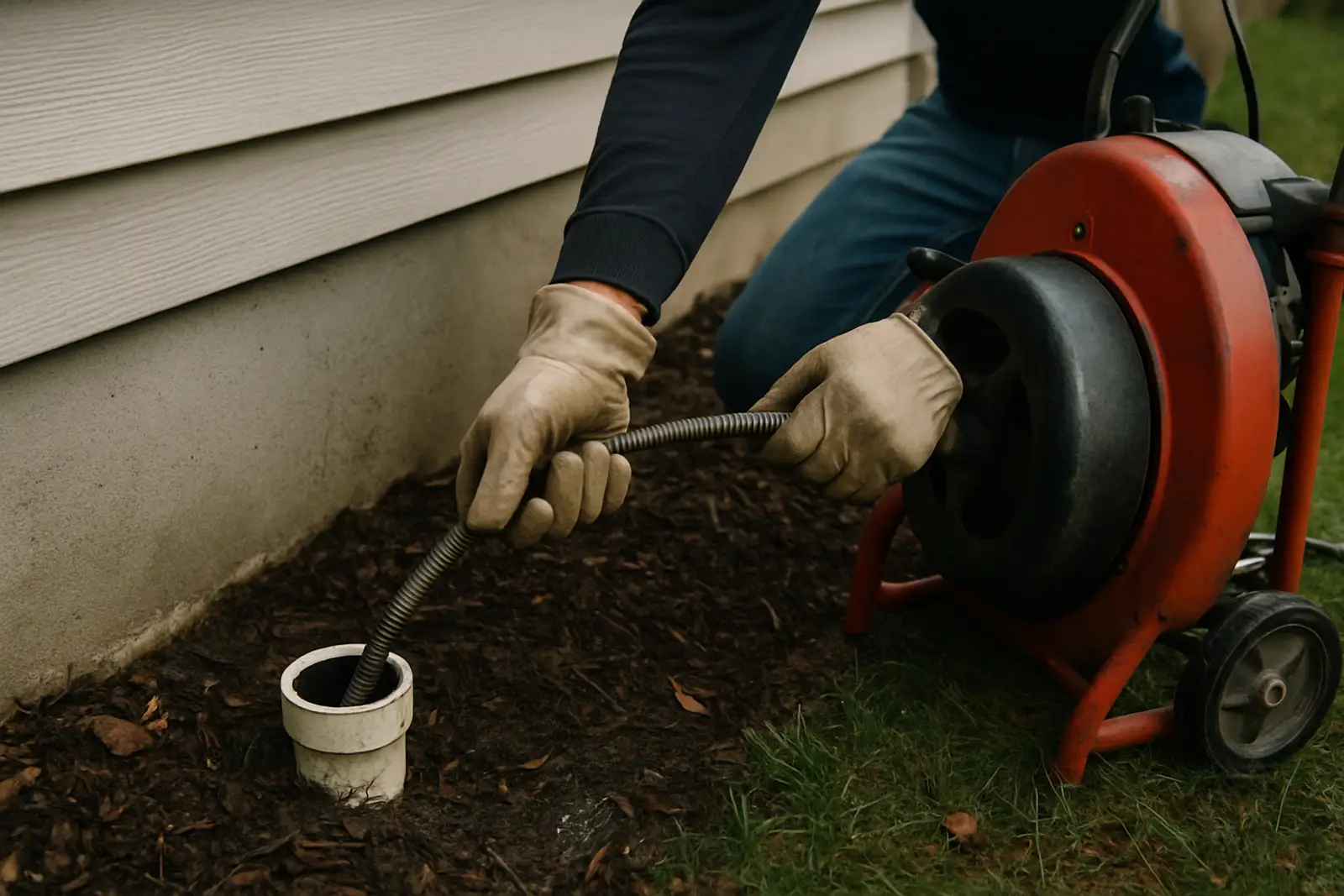
Houses and pipes in Naperville
The historic district around downtown and the DuPage River has homes from the 1840s through the 1930s, with basements and clay or cast iron laterals under very old oaks and maples.
Neighborhoods built in the 1960s and 1970s, like Naper Carriage Hill, Cress Creek and parts of the north side, have brick and frame two-stories and split-levels with basements and some clay or cast iron laterals.
Most of Naperville, especially south of 75th Street toward Route 59 and the Will County side, was built from the 1980s through the 2000s with PVC drains, large finished basements, sump pumps and often ejector pumps.
The city sits on flat prairie and river valley land with clay soils and high groundwater in places, so almost every basement has a sump pump.
Naperville is known for its schools, the Riverwalk and big family homes, and many households are large, busy and heavy users of water.
Who handles what in Naperville
Naperville's Department of Public Utilities runs the sewer system and the Springbrook Water Reclamation Center. Naperville property owners are responsible for the sanitary lateral connecting the house to the public main.
Drain problems Naperville homes see most
| Problem | Why it happens here |
|---|---|
| Ejector pump failures | Finished basements with lower bathrooms |
| Sump pump failures | Storm season across the city |
| Grease and wipes | Large family households |
| Roots in older lines | Historic district and 1960s neighborhoods |
| Basement backups | Homes with floor drains near the laundry |
| Frozen discharge lines | Midwest winters |
Naperville drains through the year
Spring storms and summer downpours test sump pumps, raise groundwater and sometimes overload sewers, and roots in older lines grow fastest in warm months.
Cold snaps freeze sump discharge lines, garage drains and pipes on exterior walls.
What drain cleaning costs in Naperville
| Job | Typical range |
|---|---|
| Sink, tub or toilet cleared | $145–$295 |
| Main line cleared from a cleanout | $215–$470 |
| Root cutting | $280–$625 |
| Hydro jetting | $370–$865 |
| Sewer scope inspection | $150–$295 |
| Ejector pump service | $260–$620 |
Most newer Naperville lines clear quickly. Old clay in the historic district, ejector pump repairs and finished ceilings that block access add time.
Before the plumber arrives
- 1
Pause water use
Stop laundry and dishes and hold off on showers.
- 2
Which pump?
A sump pit handles groundwater; a sealed basin with a vent pipe is the ejector for a basement bathroom.
- 3
Alarm going off?
If the ejector alarm is sounding, stop using basement fixtures.
- 4
Find the cleanout
Usually in the basement near the main stack or in the mechanical room.
Historic Naperville
Naperville was settled in 1831 by Joseph Naper, and the old homes around downtown, Central Park and the DuPage River are some of the oldest in DuPage County. Victorians, Italianates and early 1900s homes sit under very old oaks and maples, and many still have clay or cast iron laterals. Roots and corrosion are common in these lines. Lining is often the best repair because the historic district's trees and gardens are valued and protected.
1960s and 1970s neighborhoods
Naperville's first big growth came after the opening of the East-West Tollway and research campuses in the 1960s. Neighborhoods like Naper Carriage Hill and Cress Creek have two-stories and split-levels with full basements. Many were plumbed with cast iron inside and clay or early plastic outside. At fifty to sixty years old, those lines can have roots, offsets or scale.
Finished basements and ejector pumps
South Naperville and the newer subdivisions toward Route 59 and the Will County side are full of large homes with finished basements, home theaters, guest suites and basement bathrooms. Because those bathrooms sit below the sewer line, they drain into a sealed ejector basin with a pump. When wipes, paper towels or kids' toys jam the pump, or the float sticks, the basement bathroom backs up. Testing the alarm twice a year and keeping wipes out of basement toilets prevents most failures.
Sump pumps and storms
Nearly every Naperville basement has a sump pump to keep groundwater out. During heavy storms, a failed pump can flood a finished basement in hours. Many homeowners add a battery backup or a second pump. Make sure the discharge line runs well away from the house and doesn't freeze in winter.
A typical Naperville call
On a Sunday evening, a family in a 1998 two-story in south Naperville hears the ejector alarm in the basement and sees water around the basement toilet. The plumber opens the basin and finds the pump jammed with wipes. After clearing it and replacing a worn float switch, the basement bathroom works again. The plumber recommends a new pump within a year, since the original is over twenty years old.
Big households, heavy use
Naperville has many large families with busy schedules, and the water use adds up: back-to-back showers, daily laundry, dishwashers and lots of cooking. Grease, hair and wipes are the leading causes of clogs. Shower strainers, a grease can by the stove and a strict rule against flushing wipes go a long way.
Downtown and the Riverwalk
Downtown Naperville's restaurants and bars along the Riverwalk, Jefferson Avenue and Washington Street draw big crowds, especially during Naperville Ribfest and other summer events. Commercial kitchens in older downtown buildings need grease traps pumped regularly and lines jetted to keep from backing up during busy weekends.
Soil and groundwater
Naperville sits on flat prairie with clay soils that hold water and areas of high groundwater near the DuPage River and its tributaries. Saturated soil after spring rains can stress foundations and sewer lines and keep sump pumps cycling for days. Clay soils can also shift older laterals over time.
Winter in Naperville
Cold snaps freeze sump discharge lines, garage drains and pipes along exterior walls. When the sump discharge freezes, the pump can't move water and the basement can flood. Keep the discharge line sloped so it drains, and consider a freeze guard. Wrap exposed pipe in garages and let faucets drip on the coldest nights.
Buying in Naperville
For homes in the historic district and 1960s neighborhoods, a sewer scope is essential. For newer homes, it's still useful to check for construction debris, sags and damaged connections. Ask about the age of the sump and ejector pumps and test them before closing.
What to tell a Naperville plumber
Share your neighborhood and the home's age, whether you have a finished basement, an ejector pump or a sump pump and where the water appeared. Mention whether an alarm is sounding and whether the trouble started during a storm.
Naperville ZIP codes
- 60540
- 60563
- 60564
- 60565
Naperville drain questions
Who handles sewer in Naperville?+
The city's Department of Public Utilities. Homeowners own the lateral to the main.
What's the difference between a sump pump and an ejector pump?+
A sump pump removes groundwater from around the foundation and pumps it outside. An ejector pump lifts sewage from a basement bathroom or laundry up to the sewer line.
How long do ejector pumps last?+
Usually ten to fifteen years. Wipes and other debris are the main reason they fail early.
Do I need a sewer scope for a newer home?+
It's still useful. Even PVC lines can have construction debris, sags or damaged connections.