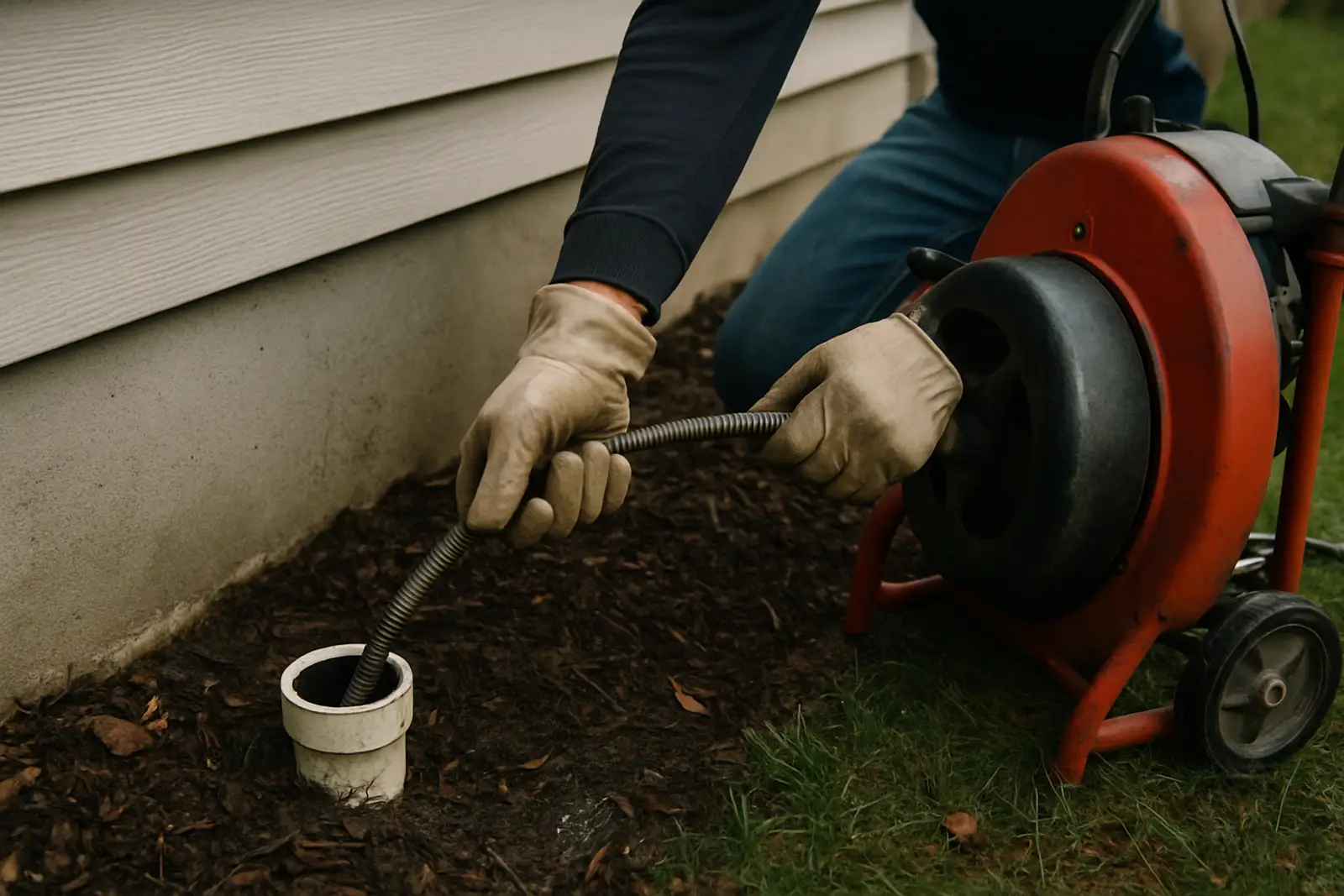
Houses and pipes in Baltimore
Fells Point, Federal Hill, Canton, Mount Vernon, Bolton Hill and Union Square have rowhouses from the 1790s through the 1890s, many with basements and old clay or cast iron laterals.
Hampden, Remington, Highlandtown, Patterson Park and Pigtown have two-story rowhouses from the 1880s through the 1920s built for mill and factory workers.
Northeast and Northwest Baltimore, including Hamilton, Lauraville, Ednor Gardens and Ashburton, have porch-front rowhouses, duplexes and detached homes from the 1910s through the 1950s.
Roland Park, Guilford and Homeland have larger detached homes from the 1890s through the 1940s on wooded lots.
Baltimore's sewers are separate from storm drains by design, but cracks and illegal connections let rain in, and the city has been under a consent decree since 2002 to fix overflows and basement backups.
Who handles what in Baltimore
Baltimore City's Department of Public Works runs the sewer system and the Back River and Patapsco treatment plants. Baltimore property owners own the lateral from the house to the property line, and the city handles the portion from there to the main.
Drain problems Baltimore homes see most
| Problem | Why it happens here |
|---|---|
| Basement sewage backups | Rowhouses during heavy rain |
| Roots in clay laterals | Roland Park, Hamilton and tree-lined blocks |
| Cast iron corrosion | Century-old rowhouses |
| Shared or crossed laterals | Rowhouse blocks |
| Grease buildup | Rowhouse kitchens and corner restaurants |
| Frozen pipes | Back additions and exterior walls |
Baltimore drains through the year
Summer thunderstorms and tropical remnants push rain into cracked sewers and can send sewage into rowhouse basements, and roots grow fastest in summer.
Winter cold snaps freeze pipes in back additions, unheated basements and exterior walls.
What drain cleaning costs in Baltimore
| Job | Typical range |
|---|---|
| Sink, tub or toilet cleared | $140–$290 |
| Main line cleared from a cleanout | $210–$465 |
| Root cutting | $275–$620 |
| Hydro jetting | $360–$850 |
| Sewer camera inspection | $145–$290 |
| Backwater valve installation | $950–$2,850 |
Detached homes with an outside cleanout go fastest. Rowhouse laterals under sidewalks, basements without cleanouts and century-old clay take longer.
Before the plumber arrives
- 1
Stop water use
No laundry, flushing or showers until the line is clear.
- 2
Sewage after rain?
If the backup came during or after heavy rain, call 311; the city has a program to help with backups caused by its system.
- 3
Check the basement
Most rowhouse backups show up at the basement floor drain or laundry tub.
- 4
Find the cleanout
Look on the front basement wall where the line exits under the sidewalk.
Rowhouse city
Baltimore has more rowhouses than almost any city in America. From the Federal-style homes of Fells Point to the formstone fronts of Highlandtown and the porch-front rows of northeast Baltimore, they share walls, sidewalks and old sewer infrastructure. Most have basements, with the lateral exiting the front wall and running under the sidewalk to the main in the street. When the lateral clogs, the basement floor drain is where water appears.
Fells Point, Federal Hill and Canton
The waterfront neighborhoods around the harbor have some of Baltimore's oldest rowhouses, many restored and now very valuable. Laterals are often a mix of old clay, cast iron and newer pipe. Groundwater near the harbor is high, and cracked laterals take in water.
Hampden and the mill neighborhoods
Hampden, Woodberry and Remington grew up around the cotton mills along the Jones Falls in the late 1800s, with small stone and brick rowhouses for mill workers. Hampden's 36th Street, known as The Avenue, is now lined with shops and restaurants. Old laterals and cast iron are common, along with grease from busy kitchens.
The consent decree
Baltimore's sewers were designed separately from storm drains, but cracked pipes, old connections and undersized lines let rain in, causing overflows and basement backups. Since 2002, the city has been under a federal consent decree to fix the system, including a huge headworks project at Back River. Backups have dropped, but heavy storms can still send sewage into basements, especially in older neighborhoods.
A typical Baltimore call
After a July thunderstorm, a family in a 1915 rowhouse in Hamilton finds sewage on the basement floor around the drain. The plumber opens the cleanout on the front basement wall and clears roots about fifteen feet out, under the sidewalk near a street tree. The camera shows cracked clay up to the property line. They book a liner for their section and report the city portion to 311.
Northeast and Northwest
Hamilton, Lauraville, Ednor Gardens, Ashburton and Forest Park have porch-front rowhouses, duplexes and detached homes from the 1910s through the 1950s, many on tree-lined streets. Clay laterals and big trees mean roots are common.
Roland Park and Guilford
Roland Park, Guilford and Homeland are planned early twentieth-century neighborhoods with large detached homes on wooded lots. Long clay laterals under very old trees fill with roots, and many homes have finished basements.
Crossed and shared laterals
In some rowhouse blocks, laterals cross under a neighbor's property or join before reaching the main. When a shared section clogs, more than one house is affected. Running a camera down the line is the only reliable way to see whose pipe the blockage is actually in.
Crab houses and corner restaurants
Baltimore's crab houses, Little Italy's restaurants, Lexington Market and the corner carryouts in every neighborhood put plenty of grease into old lines. Restaurants in old rowhouse buildings keep their basements dry by pumping grease traps often.
Vacant rowhouses
Baltimore has thousands of vacant rowhouses, and their laterals can fill with roots or collapse. Renovating a vacant home almost always means inspecting and often replacing the lateral. A collapsed lateral next door can sometimes affect a neighbor's line.
Winter
Rowhouses share walls, which helps with heat, but back additions, kitchens on rear walls and unheated basements freeze in a hard cold snap. Keep the basement warm and let a faucet drip on the coldest nights.
Rowhouse back additions were often built later than the main house, with less insulation and pipes running along the outside wall, so they're usually the weak spot.
Formstone and old basements
Many Baltimore rowhouses got formstone facades in the mid twentieth century, but the basements behind them are often original brick or stone with old floor drains. Some basements have been finished, hiding the cleanout behind drywall. Make sure it's accessible before you need it.
Helpful details
Mention the neighborhood, whether it's a rowhouse or detached home, its age and where the cleanout is. Say whether the backup happened during or after heavy rain.
Baltimore ZIP codes
- 21201
- 21202
- 21205
- 21206
- 21209
- 21210
- 21211
- 21212
- 21213
- 21214
- 21215
- 21216
- 21217
- 21218
- 21223
- 21224
- 21226
- 21229
- 21230
- 21231
- 21233
- 21239
- 21240
- 21250
- 21251
Baltimore drain questions
Who is responsible for my sewer lateral in Baltimore?+
In Baltimore the split happens at the property line: the owner covers the pipe inside it, and DPW covers the stretch under the street out to the main.
Does the city help with sewage backups?+
Baltimore has offered an Expedited Reimbursement Program for cleanup of backups caused by wet weather and system capacity. Check with DPW for current eligibility.
Why do rowhouse basements back up during storms?+
Rain seeps into cracked sewers and overloads them, and water rises in laterals to the lowest drain, usually in the basement.
Is a sewer scope worth it before buying a rowhouse?+
Yes. Old laterals under sidewalks can be costly to repair.