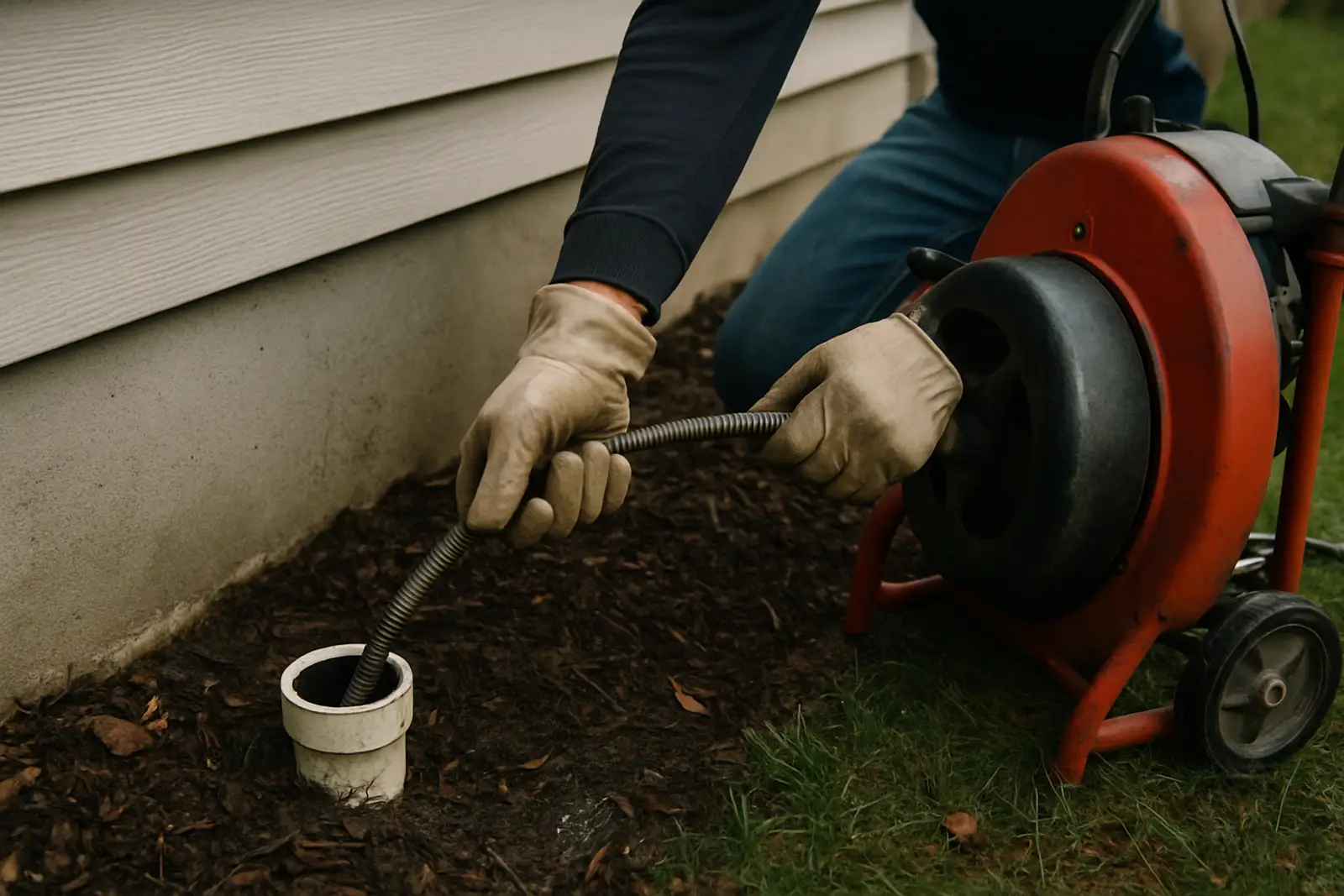
Houses and pipes in Allentown
Center City, the Old Allentown historic district and the neighborhoods around Seventh Street have brick rowhomes and twins from the 1870s through the 1920s, with basements and clay or cast iron laterals.
The West End, near Muhlenberg College and Cedar Creek Parkway, has larger homes from the 1910s through the 1940s on tree-lined streets.
East Side and South Side neighborhoods filled in from the 1900s through the 1950s with twins, rowhomes and small singles.
Postwar neighborhoods on the city's edges and suburbs like Whitehall and South Whitehall have ranches and split-levels from the 1950s through the 1970s.
Allentown sits on limestone with sinkholes in places, along the Lehigh River and Jordan Creek.
Who handles what in Allentown
The Lehigh County Authority operates Allentown's water and sewer systems under a long-term lease, with wastewater treated at the Kline's Island plant. In Allentown, the sewer lateral from the home to the public main is the property owner's to maintain.
Drain problems Allentown homes see most
| Problem | Why it happens here |
|---|---|
| Roots in clay laterals | West End and older neighborhoods |
| Cast iron corrosion | Center City rowhomes |
| Shared walls, shared problems | Twins and rowhomes |
| Sinkhole damage | Limestone areas |
| Grease and wipes | Busy households |
| Frozen lines | Winter cold |
Allentown drains through the year
Summer storms and spring rain raise groundwater and test old laterals, and roots grow fastest in warm months.
Winter cold snaps freeze pipes in unheated basements, rear kitchens and exterior walls.
What drain cleaning costs in Allentown
| Job | Typical range |
|---|---|
| Sink, tub or toilet cleared | $135–$280 |
| Main line cleared from a cleanout | $205–$455 |
| Root cutting | $265–$600 |
| Hydro jetting | $345–$830 |
| Sewer scope inspection | $140–$285 |
| Cleanout installation | $650–$1,900 |
Newer suburban homes clear quickly. Century-old clay, rowhomes with no cleanout and damage from sinkholes take longer.
Before the plumber arrives
- 1
Pause water
Stop flushing and running the washer until the line is clear.
- 2
Twin or rowhome?
If the neighbor's basement is wet too, the problem may be farther out toward the main.
- 3
Check the basement drain
Water rising there points to the lateral.
- 4
Look for the cleanout
Center City rowhomes often have a trap or cleanout near the front basement wall.
Center City rowhomes
Allentown's Center City is a dense grid of brick rowhomes and twins built from the 1870s through the 1920s for workers in the silk mills, cement plants and factories. Most have basements, cast iron stacks and laterals running under the sidewalk to the street. After a century, cast iron scales and clay cracks, and many homes have been divided into apartments, adding heavy use. Lining is often the best way to renew a lateral without tearing up the sidewalk.
Old Allentown
The Old Allentown historic district, near Seventh and Walnut, has Victorian rowhomes with ornate porches and cornices. Restoration has brought many back to life, but old laterals often remain. A camera inspection before or during renovation can save surprises.
The West End
The West End, near Muhlenberg College and Cedar Beach Park, has larger homes on tree-lined streets, built for professionals and mill owners. Big trees and clay laterals mean roots are the most common cause of backups. Many homes have finished basements.
Limestone and sinkholes
The Lehigh Valley sits on limestone, which dissolves over time and can form sinkholes. Allentown has had several sinkholes swallow streets and damage buildings. A sinkhole near a lateral can undermine it and cause it to sag or break. If a lateral suddenly collapses or the yard sinks above it, have it inspected right away.
A typical Allentown call
In June, a family in a 1915 twin on the West End sees the basement floor drain overflow while the washer runs. The plumber opens the cleanout and clears roots about thirty feet out, near a big oak. On the camera, the clay is cracked in several places. The family plans a liner and asks the neighbors in the other half of the twin whether they've had trouble too.
East Side and South Side
The East Side and South Side have twins, rowhomes and singles built from the 1900s through the 1950s for factory and steel workers, including many who worked at Bethlehem Steel. Laterals are clay or cast iron, and roots, scale and cracks are common.
Multi-unit conversions
Many Allentown rowhomes have been split into apartments, with several households sharing one lateral. More people means more water, grease and wipes through old pipe. Owners who jet lines regularly avoid many emergency calls.
Postwar edges
On the city's edges and in suburbs like Whitehall and South Whitehall, ranches and split-levels from the 1950s through the 1970s have cast iron and clay laterals that are now aging. Newer homes have PVC and fewer problems.
Restaurants on Hamilton Street
Hamilton Street, the arena district and neighborhood restaurants serving Dominican, Puerto Rican and other cuisines put plenty of grease into old lines. Interceptors pumped on schedule keep kitchens in those old buildings from flooding their own basements.
Winter
Allentown winters bring cold snaps that freeze pipes in unheated basements, rear kitchens and back porches. A space heater in the cellar during a cold snap and a pencil-thin stream from the kitchen tap overnight usually keep things moving.
The Lehigh Valley's old mill economy
For much of the twentieth century, Allentown's paychecks came from silk mills, Mack Trucks, cement plants up the valley and Bethlehem Steel next door. When those industries shrank, many owner-occupied rowhomes became rentals, and maintenance on the parts nobody sees, like the sewer lateral, slipped. Today, new owners renovating these homes often find a lateral that has been cleared many times but never repaired. It's common to see roots at nearly every clay joint, a sag under the sidewalk and heavy scale in the cast iron under the basement floor.
Because the homes share walls and sidewalks, digging is disruptive and expensive, so lining is usually the first option a plumber will price out for a center city rowhome.
Storms and Jordan Creek
Neighborhoods along Jordan Creek and the Little Lehigh sit on lower ground where heavy summer storms raise groundwater quickly. Water seeps into cracked laterals and old basement walls, and lines that were already slow can back up during the storm. Disconnecting downspouts that still drain into the sewer and sealing cracked pipe both reduce the load.
Details that help
Share the neighborhood and the home's age, whether it's a rowhome, twin or single, and whether it has been split into apartments. Mention big trees near the lateral and whether the yard or sidewalk has sunk anywhere.
Allentown ZIP codes
- 18101
- 18102
- 18103
- 18104
- 18106
- 18109
Allentown drain questions
Who handles sewer in Allentown?+
The Lehigh County Authority operates the city system. The lateral from your home is your responsibility.
Can sinkholes affect my sewer line?+
Yes. Allentown sits on limestone, and sinkholes can undermine and break laterals.
Why do rowhome laterals clog so often?+
Many are a century old, made of clay or cast iron, and heavily used. Roots, scale and cracks are common.
Should I scope the sewer before buying in Allentown?+
Yes, especially in Center City and the West End.