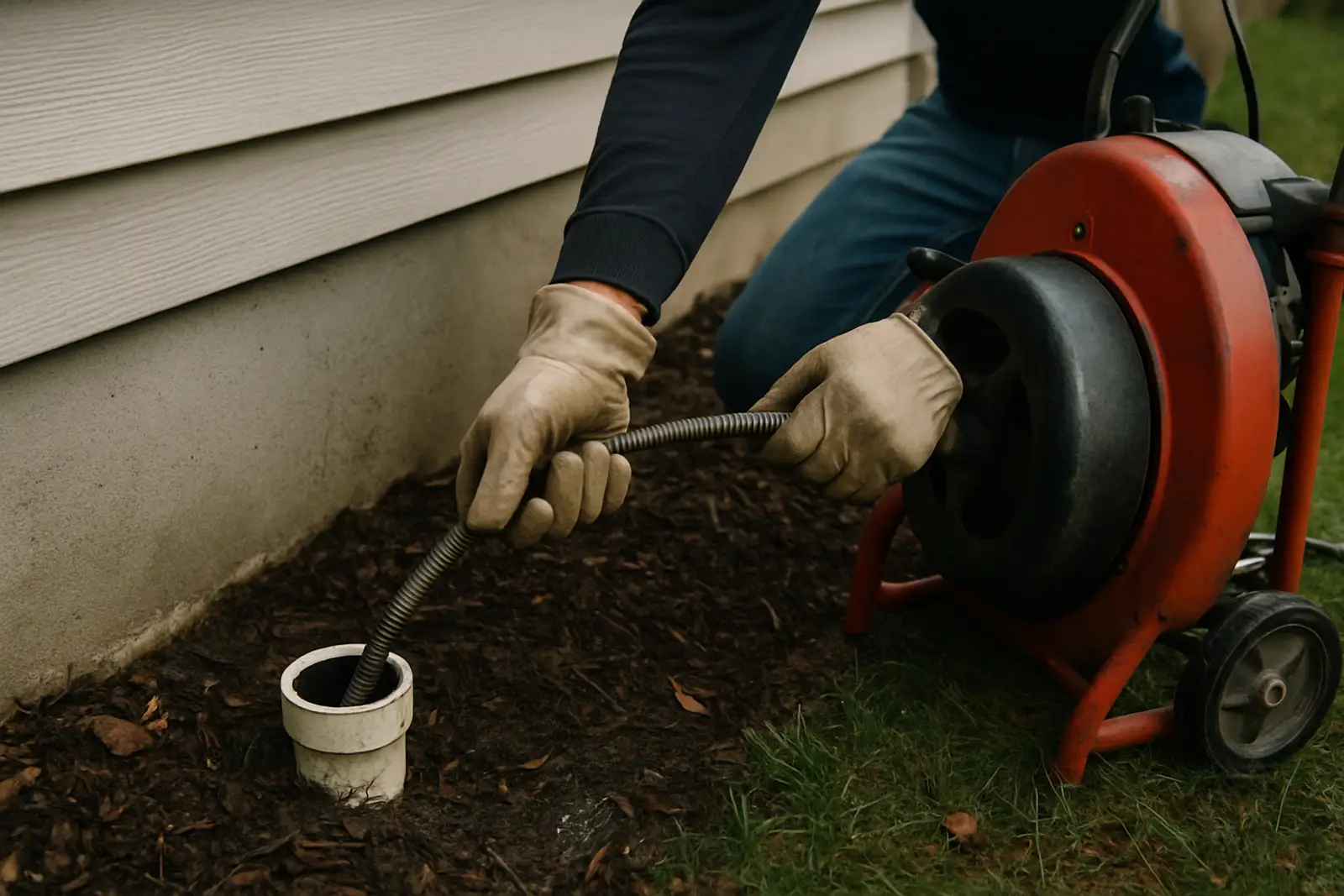
Houses and pipes in Bellevue
Old Bellevue, Meydenbauer Bay and the neighborhoods west of downtown have homes from the 1920s through the 1950s, along with many newer rebuilds on old lots.
Lake Hills, Crossroads, Eastgate, Woodridge, Newport Hills and Sherwood Forest were built mostly in the 1950s through the 1970s with ranches, split-levels and daylight basements, often with concrete or clay side sewers.
Somerset, Cougar Mountain, Lakemont and parts of Bridle Trails were built from the 1970s through the 1990s, many on steep hillsides with long side sewers or private pump systems.
Many older Bellevue lots have been torn down and rebuilt with large new homes, which usually get new PVC side sewers but sometimes reuse old connections.
Bellevue's hills, heavy evergreen tree cover and long rainy season mean roots and groundwater are constant pressures on older sewer lines.
Who handles what in Bellevue
Bellevue Utilities runs the city's sewer collection system, with wastewater treated by King County. Bellevue homeowners own the side sewer all the way from the house to the public main, and the city may require repair when one is found broken.
Drain problems Bellevue homes see most
| Problem | Why it happens here |
|---|---|
| Roots in aging side sewers | 1950s through 1970s neighborhoods |
| Cracked concrete and clay pipe | Lake Hills, Crossroads, Eastgate |
| Steep and long side sewers | Somerset and Cougar Mountain |
| Grease and wipes | Busy family homes |
| Grinder pump trouble | Hillside homes below the street |
| Rain infiltration | Wet season |
Bellevue drains through the year
The wet season from October through April soaks the hills and leaks into cracked side sewers, while spring and summer are the peak months for root growth.
Occasional winter snow and freezes, especially on Cougar Mountain and Somerset, can freeze drains in garages and crawlspaces.
What drain cleaning costs in Bellevue
| Job | Typical range |
|---|---|
| Sink, tub or toilet cleared | $160–$330 |
| Side sewer cleared from a cleanout | $240–$520 |
| Root cutting | $315–$690 |
| Hydro jetting | $410–$945 |
| Side sewer camera inspection | $170–$335 |
| Grinder pump service | $300–$750 |
New rebuilds with PVC clear quickly. Aging 1960s side sewers, long hillside runs and grinder pump work take longer.
Before the plumber arrives
- 1
Stop water use
Hold off on showers, laundry and dishes.
- 2
Check the lower level
Water at a daylight basement shower or floor drain points to the side sewer.
- 3
Pump alarm?
Hillside homes with a grinder or ejector pump may have an alarm. If it's sounding, stop using water.
- 4
Find the cleanout
Often outside near the foundation or in the lower level.
Lake Hills and the postwar boom
When the first floating bridge across Lake Washington opened in 1940, and again after the 520 bridge opened in 1963, Bellevue filled with new subdivisions. Lake Hills, one of the largest, was built in the 1950s with hundreds of ranch homes. Crossroads, Eastgate, Woodridge and Newport Hills followed. Many of those homes have concrete or clay side sewers that have now been in the ground sixty or seventy years. Roots from the Douglas firs, cedars and maples that shade these neighborhoods, along with soil movement on the hills, have cracked many lines.
Lining is often a good fix, because it avoids digging up mature landscaping and steep yards.
Hillside homes and pumps
Somerset, Cougar Mountain and Lakemont climb steep hills with sweeping views, and many homes sit far above or below the street. Homes above the street have long, steep side sewers. Homes below the main often rely on a grinder or ejector pump to push sewage uphill. Pumps wear out and jam on wipes, and a power outage stops them. Knowing whether your home has a pump, and where its alarm panel is, saves time in an emergency.
Teardowns and rebuilds
Bellevue's rising land values have led to many teardowns, where a 1950s ranch is replaced with a much larger home. Most rebuilds get a new PVC side sewer, but some reuse the old connection at the main or tie into an existing line. Problems can show up where new pipe meets old. A camera inspection after construction confirms the line is sound.
A typical Bellevue call
On a rainy December evening, a family in a 1962 split-level in Lake Hills sees water rising in the lower-level shower while the dishwasher runs. The plumber opens the outdoor cleanout and clears roots about forty feet out, where a large cedar grows near the line. The camera shows a cracked concrete section and an offset joint. The family books lining in the spring.
Evergreen roots
Bellevue is known as a city in a park, and its tall Douglas firs, cedars and big-leaf maples are everywhere. Their roots spread wide and seek out moisture, and any cracked joint in a side sewer is an easy target. Regular root cutting or jetting can keep a line flowing, but lining or replacement is the lasting fix.
Wet season
Bellevue's long rainy season saturates the hillsides and fills slow-draining soils with water. Cracked side sewers let that groundwater in, adding to the flow and sometimes overwhelming low fixtures. Disconnecting any downspouts tied into the sewer and repairing cracked pipe reduces the load.
Families and heavy use
Bellevue has many busy households with long work hours, kids' schedules and multigenerational families. Grease from daily cooking, hair in showers and wipes in toilets are the leading causes of clogs. Strainers in showers, a grease can by the stove and a no-wipes rule go a long way.
Downtown and Crossroads restaurants
Bellevue's downtown, Crossroads Mall's international food court and the corridors along 148th Avenue and Bellevue Way hold a wide range of restaurants. Commercial kitchens need grease interceptors pumped regularly and lines jetted on schedule to avoid backups.
Snow on the hills
Bellevue's higher neighborhoods, like Cougar Mountain and Somerset, can get snow and freezes when the lowlands stay wet. Drains in garages and crawlspaces freeze first. On the hills, shut the foundation vents once the forecast calls for snow, sleeve any pipe in the garage and leave a kitchen tap trickling overnight.
Before you buy in Bellevue
Side sewer inspections are routine in Bellevue sales and especially important for homes built before 1980. Look for roots, cracks, offsets and sags, and ask whether the home has a grinder or ejector pump and how old it is.
Calling a Bellevue plumber
Give the neighborhood and the year the home was built, whether it's a rebuild, and whether there's a daylight basement, pump or long hillside side sewer. Mention big evergreens near the line and whether trouble started in heavy rain.
Bellevue ZIP codes
- 98004
- 98005
- 98006
- 98007
- 98008
Bellevue drain questions
Who owns the side sewer in Bellevue?+
The homeowner owns the side sewer from the house to the main. Bellevue Utilities owns the public main.
Why are 1960s Bellevue homes having sewer trouble now?+
Many were built with concrete or clay side sewers that have cracked, shifted or filled with roots after sixty years.
What is a grinder pump?+
A pump that grinds and pushes sewage uphill from homes that sit below the public sewer. They need occasional service and replacement.
Should I scope the side sewer before buying in Bellevue?+
Yes. It's standard practice in the Seattle area, and older Bellevue homes often have issues.