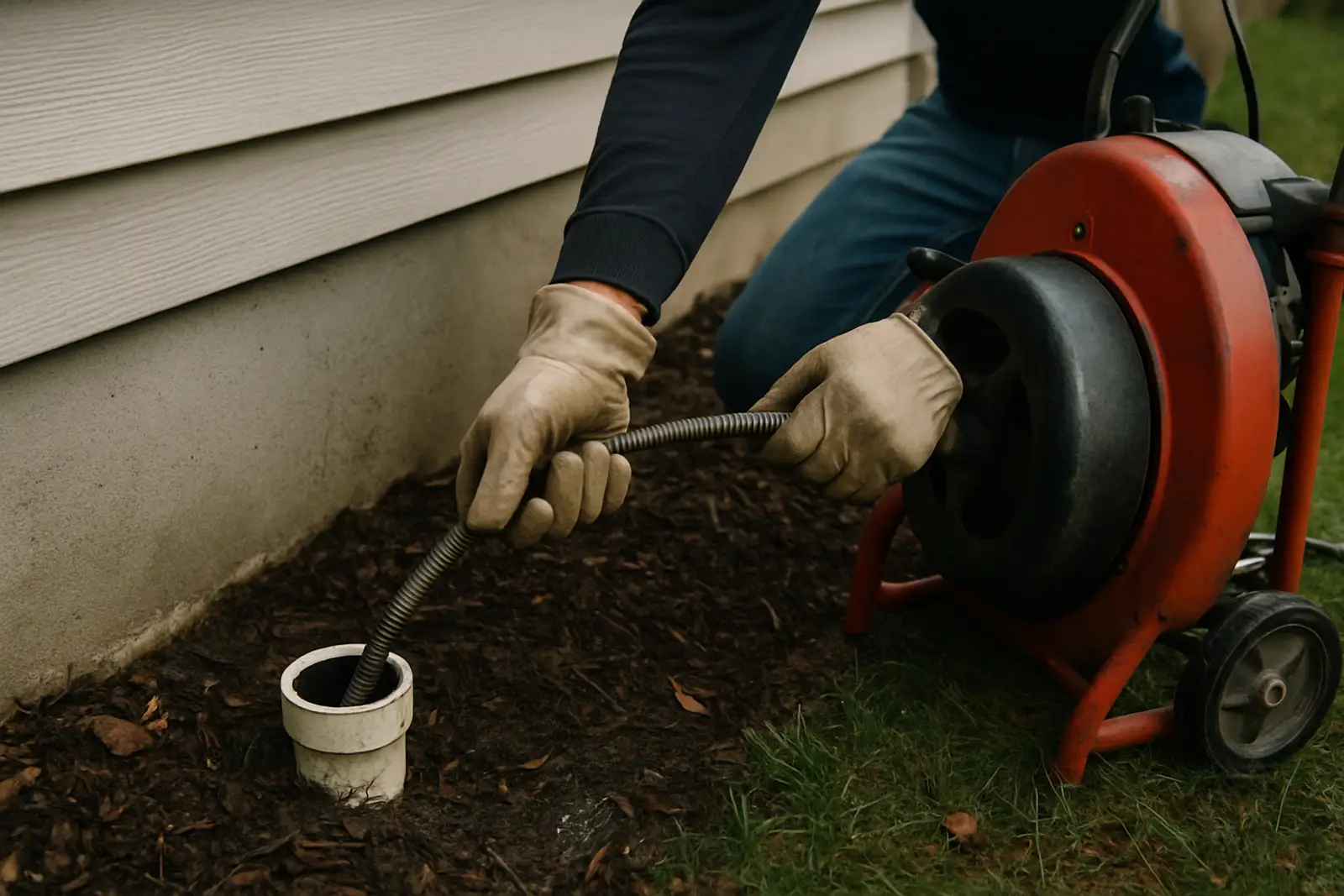
Houses and pipes in Everett
The North End, Riverside, Bayside, Delta and Northwest neighborhoods have homes from the 1890s through the 1930s, including Craftsmans, foursquares and workers' cottages, most with basements and clay side sewers.
Neighborhoods south of downtown, like Port Gardner, Lowell and Evergreen, mix early 1900s homes with postwar houses from the 1940s and 1950s.
South Everett, from Casino Road to Silver Lake and Mill Creek's edge, was built mostly from the 1960s through the 1990s with split-levels, ranches and many apartment complexes.
Much of the older north end is served by combined sewers that carry storm water and sewage together, which can overflow during heavy rain.
Everett is home to Boeing's huge assembly plant and Naval Station Everett, and many households work shifts at those and other large employers.
Who handles what in Everett
Everett Public Works runs the city's sewer system and the water pollution control facility. Each Everett homeowner is responsible for the side sewer between the house and the public main.
Drain problems Everett homes see most
| Problem | Why it happens here |
|---|---|
| Roots in clay side sewers | North End, Riverside and Bayside |
| Basement backups during storms | Combined sewer areas |
| Cracked and offset pipe | Century-old lines on slopes |
| Grease and wipes | Apartments and busy households |
| Cast iron corrosion | Postwar homes |
| Rain infiltration | Wet season |
Everett drains through the year
The wet season from October through April loads the combined sewers and soaks the ground around cracked side sewers, while spring and summer are the peak for root growth.
Arctic outflow wind from the Fraser River valley can bring occasional hard freezes and snow, freezing drains in garages and crawlspaces.
What drain cleaning costs in Everett
| Job | Typical range |
|---|---|
| Sink, tub or toilet cleared | $145–$300 |
| Side sewer cleared from a cleanout | $220–$480 |
| Root cutting | $285–$640 |
| Hydro jetting | $370–$870 |
| Side sewer camera inspection | $150–$305 |
| Backwater valve installation | $950–$2,900 |
South Everett lines clear quickly. Century-old clay in the north end, combined sewer areas and lines without a cleanout take longer.
Before the plumber arrives
- 1
Hold off on water
Ask everyone at home to wait on laundry, dishes and showers.
- 2
Raining hard?
In north end neighborhoods, a backup during a downpour may come from the combined sewer, not just your line.
- 3
Look downstairs
Water at the basement floor drain is the usual first sign.
- 4
Find the cleanout
Check outside near the foundation or in the basement.
The north end mill neighborhoods
Everett boomed in the 1890s with lumber mills, shingle mills and a paper mill, and the families who worked them built homes across the north end. Riverside, Bayside, Delta and the North End have rows of Craftsmans, foursquares and smaller cottages, many with basements. Their clay tile side sewers have been in the ground well over a century, and the trees along the planting strips have grown large over them. Roots, cracks and offsets are very common findings when a camera is run through these lines.
Grand Avenue and Rucker Avenue, where mill owners built their homes, have some of the largest houses and oldest trees in the city. Lining is often preferred there to protect historic yards.
Combined sewers and heavy rain
Much of Everett's older north end is served by combined sewers, an older design that carries storm water and household sewage in the same pipes. During heavy rain, the system can fill, and water looks for the lowest exit, often a basement floor drain. The city has worked for years to reduce overflows with separation projects and storage, but individual homeowners can add protection with a backwater valve and by making sure downspouts and yard drains aren't connected to the sewer.
Slopes above the bay and river
Everett's peninsula slopes down toward Port Gardner Bay on the west and the Snohomish River on the east. Homes on those slopes often have side sewers that drop steeply to the main. Steep runs can leave solids behind, and slopes can shift over time, opening joints or creating sags. Jetting cleans these lines thoroughly, and the camera shows any structural damage.
A typical Everett call
On a stormy evening in November, a couple in a 1910 Craftsman in the North End sees water spreading from the basement floor drain. The plumber opens the outdoor cleanout and finds the side sewer partly blocked by roots about forty feet out, with the combined sewer running high from the storm. After cutting the roots, the camera shows cracked clay. The couple books lining and a backwater valve.
South Everett
South Everett, stretching toward Mill Creek and Silver Lake, grew rapidly from the 1960s through the 1990s with split-levels, ranches and large apartment complexes along Casino Road and Evergreen Way. Side sewers there are concrete, clay or early PVC depending on age. Older lines can have roots and cracks, while newer ones mostly see grease, wipes and hair.
Shift workers and heavy use
Everett's big employers, including Boeing's assembly plant and Naval Station Everett, keep many households on shift schedules, with showers, laundry and cooking happening at all hours. Apartment complexes with many units share large lines that collect grease and wipes. Building managers who schedule regular jetting avoid most emergency calls.
Postwar homes
Neighborhoods built in the 1940s and 1950s, during and after the wartime shipbuilding boom, have cast iron drains inside and clay or concrete side sewers outside. At seventy-plus years old, the cast iron can be heavily scaled and the side sewer may have roots at several joints.
Downtown and Hewitt Avenue restaurants
Downtown Everett's restaurants and bars along Hewitt and Colby Avenues, along with the waterfront and the corridors along Evergreen Way, have many commercial kitchens. Grease interceptors pumped on schedule and lines jetted regularly keep them flowing, especially in older downtown buildings.
Arctic outflow
Everett sits close enough to the Fraser River valley that cold arctic outflow winds sometimes pour south in winter, bringing sudden freezes and snow. Drains in garages, crawlspaces and on exterior walls freeze first. Wrap exposed pipe, close crawlspace vents during cold snaps and let a faucet drip when temperatures fall into the teens.
Buying in the north end
Before buying an older north end home, get a side sewer camera inspection and watch the full video. Look for roots, cracks, offsets and sags, and ask whether the neighborhood is on combined sewers. Factor in the cost of a backwater valve if the basement is finished.
Calling an Everett plumber
Say which neighborhood you're in and when the home was built, whether there's a basement or crawlspace and whether a backwater valve is installed. Mention whether it was raining hard, whether neighbors have water too and whether there are big street trees near the line.
Everett ZIP codes
- 98201
- 98203
- 98204
- 98207
- 98208
Everett drain questions
Who owns the side sewer in Everett?+
You do. Everett treats everything from your foundation to the city main, including the connection itself, as the property owner's pipe.
What does a combined sewer mean for my basement?+
In older parts of Everett, storm water and sewage share pipes. Heavy rain can fill them and push water back through basement drains. A backwater valve can help.
Are north end homes prone to root problems?+
Yes. Clay side sewers there are often over a century old and run under large street trees.
Should I scope the side sewer before buying in Everett?+
Yes, especially in the north end.