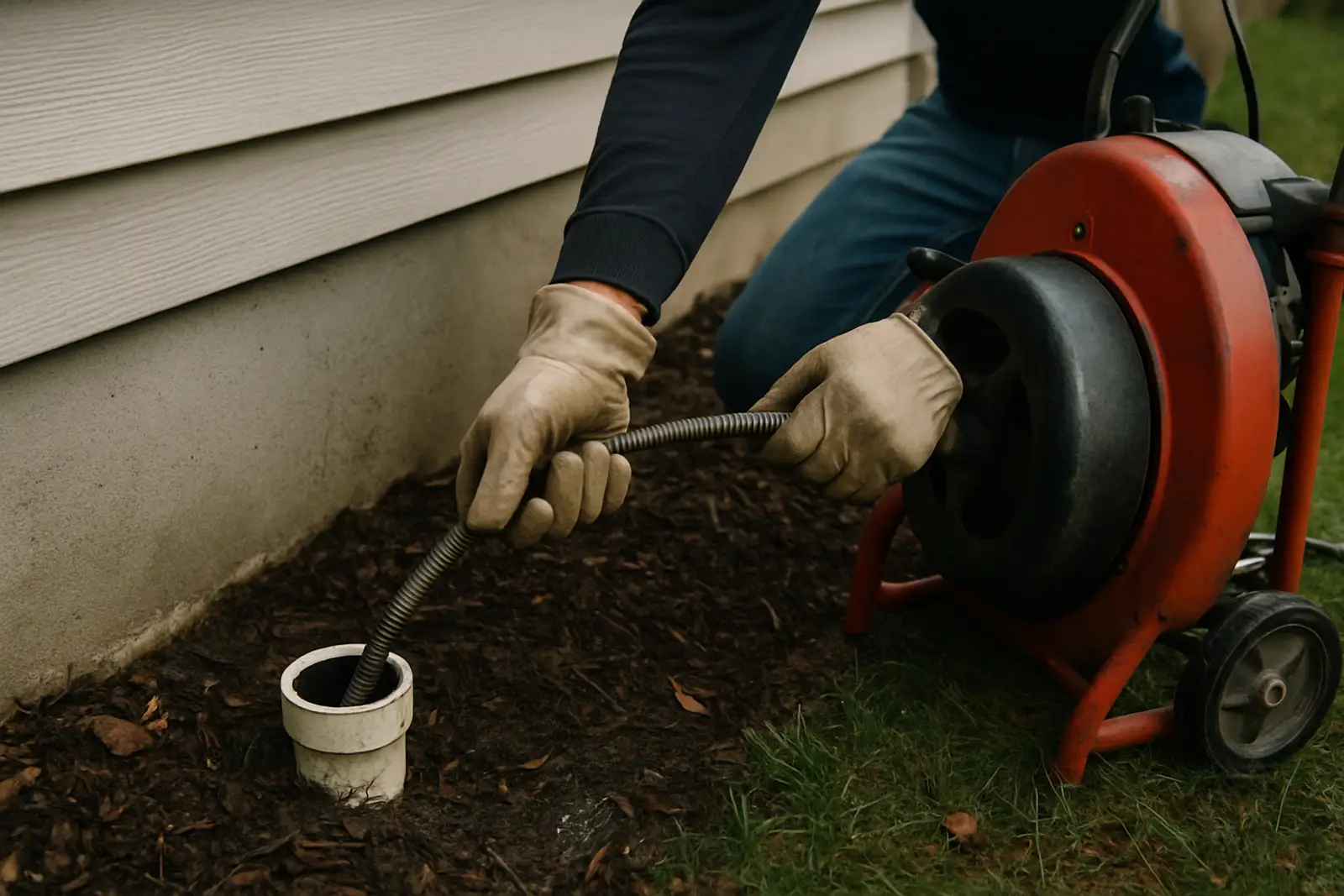
Houses and pipes in Toledo
The Old West End, one of the largest collections of late Victorian and Edwardian homes in the country, has mansions and large homes from the 1870s through the 1910s with basements and clay laterals.
Neighborhoods like Birmingham, the Polish Village (Lagrange), Vistula and East Toledo have worker homes from the 1880s through the 1930s, many small frame houses with old clay sewer lines.
West Toledo, Point Place and the neighborhoods along Sylvania Avenue filled in from the 1920s through the 1960s with bungalows, Cape Cods and ranches over basements.
Much of the older city has combined sewers that carry storm water and sewage together, and the city has invested heavily in storage basins and tunnels to reduce overflows.
The land is extremely flat clay, the former Great Black Swamp, with high groundwater and slow drainage.
Who handles what in Toledo
The City of Toledo's Department of Public Utilities runs the sewer system and the Bay View treatment plant. In Toledo, the sewer lateral serving a home, from the foundation to the main, belongs to the property owner.
Drain problems Toledo homes see most
| Problem | Why it happens here |
|---|---|
| Basement flooding in storms | Combined sewer areas and flat ground |
| Roots in clay laterals | Old West End and older neighborhoods |
| Groundwater infiltration | Flat, wet clay soil |
| Cast iron corrosion | Older homes |
| Sagging laterals | Settling clay |
| Frozen lines | Lake Erie winters |
Toledo drains through the year
Spring rains and summer thunderstorms flood the flat ground, overload the sewers and send water into basements. Roots grow fastest from May through August.
Cold winters off Lake Erie freeze drains in garages, porches and exterior walls.
What drain cleaning costs in Toledo
| Job | Typical range |
|---|---|
| Sink, tub or toilet cleared | $125–$270 |
| Main line cleared from a cleanout | $195–$430 |
| Root cutting | $255–$580 |
| Hydro jetting | $330–$795 |
| Sewer scope inspection | $135–$275 |
| Backwater valve installation | $850–$2,600 |
Newer homes clear quickly. Old West End clay under big trees, sagging laterals in wet clay and homes without cleanouts take longer.
Before the plumber arrives
- 1
Stop the water
Every gallon you run now ends up on the basement floor, so pause the washer and showers.
- 2
Heavy rain?
If the whole street has water after a storm, the public sewer may be overwhelmed.
- 3
Check the floor drain
Gray water rising at the basement floor drain means the lateral or sewer is backing up.
- 4
Find the cleanout
In most Toledo basements it is a round plug near the floor on the street side, sometimes hidden behind a workbench.
The Old West End
The Old West End has hundreds of grand Victorian, Queen Anne and Arts and Crafts homes built by glass industry and railroad fortunes in the late 1800s and early 1900s. Many are huge, with big basements and long laterals running under tree-lined streets. Clay laterals that old, under trees that big, almost always have roots. Lining is a popular fix because it protects historic lawns and trees.
The Great Black Swamp
Before settlement, the land around Toledo was the Great Black Swamp, a vast wetland on flat clay. Drainage ditches turned it into farmland and city, but the ground is still flat and slow to drain. Groundwater sits high, and rain pools quickly. Cracked laterals take in groundwater, and flat sewers have little slope to carry flow. That's why Toledo basements flood so readily during heavy storms.
Combined sewers and storage
Toledo's older neighborhoods are served by combined sewers that overflow into the Maumee River and Lake Erie during heavy rain. The city has built large storage basins and tunnels to capture overflows and reduce basement flooding. Homeowners can add protection with backwater valves and by disconnecting downspouts and footing drains from the sewer.
Birmingham and East Toledo
Birmingham, across the Maumee in East Toledo, was built by Hungarian immigrants who worked in the steel and glass plants, and its small frame homes and churches still carry that heritage. Many homes there have old clay laterals, sometimes without cleanouts, and roots and sagging pipe are common.
A typical Toledo call
After a June storm drops three inches of rain overnight, a family in a 1920s bungalow in West Toledo wakes up to water across the basement floor. The plumber opens the cleanout on the front basement wall and finds the lateral partly blocked by roots about thirty feet out, with the public sewer still running high. After clearing the roots, the camera shows cracked clay with groundwater seeping in at the joints. They schedule lining and a backwater valve before the next storm.
Glass City homes
Toledo earned the name Glass City from Libbey, Owens-Illinois and other glass makers, and neighborhoods across the city were built for glass workers. Bungalows and Cape Cods from the 1920s through the 1950s in West Toledo and along Sylvania Avenue have cast iron inside and clay outside, both now aging.
Sagging pipe in clay
In flat, wet clay, laterals can settle unevenly, forming bellies where water and debris collect. Even small sags cause recurring clogs because there's so little slope to start with. A camera inspection shows where sags are, and spot repairs or lining can fix them.
Point Place and the lakefront
Point Place, on the peninsula between the Maumee River and Lake Erie, has older cottages and homes on low ground near the water. High lake levels and storms push groundwater up, and cracked laterals take in water. Sump pumps and backwater valves are important here.
Restaurants and Tony Packo's
From Tony Packo's in Birmingham to the restaurants downtown, in the Warehouse District and along Monroe Street, Toledo's kitchens put a lot of grease into the sewers. Kitchens frying pierogi, hot dogs and fish all week need their interceptors pumped often and their lines jetted before grease hardens.
The Polish Village and Lagrange Street
North of downtown, the Lagrange Street area grew into Toledo's Polish Village in the late 1800s, with modest frame houses packed onto narrow lots around St. Hedwig and St. Anthony churches. Many of these homes were built before the city had full sewer service, and their laterals were added or replaced piecemeal over the following decades. It is common to find a short run of cast iron leaving the basement, a long stretch of clay under the yard and a newer section near the street where a previous owner made a repair. Every one of those transitions is a place where roots and grease like to catch. Camera footage helps an owner decide whether to keep patching or renew the whole run at once.
Footing drains and sump pumps
Many Toledo homes built before the 1970s have perforated footing drains around the foundation that were piped straight into the sanitary lateral. In a town built on old swamp clay, those drains collect a lot of groundwater after every storm, and all of it goes into the sewer. Disconnecting the footing drains and sending that water to a sump pump that discharges into the yard can make a dramatic difference for a basement that floods every spring.
Lake Erie winters
Toledo winters are cold and gray, with occasional deep freezes. Drains in garages, enclosed porches and exterior walls freeze first. Keep basements heated, insulate exposed pipe and let faucets drip on the coldest nights.
Calling a Toledo plumber
Give your neighborhood and the home's age, whether there's a basement cleanout and whether you have a backwater valve or sump pump. Mention whether it rained hard, whether neighbors also have water and whether big trees grow near the lateral.
Toledo ZIP codes
- 43604
- 43605
- 43606
- 43607
- 43608
- 43613
- 43614
- 43615
- 43620
Toledo drain questions
Who handles sewer in Toledo?+
Toledo's Department of Public Utilities runs the public system. The pipe from your foundation out to the city main, and any repairs to it, fall to the homeowner.
Why does Toledo flood so easily?+
The city is built on extremely flat clay that drains slowly, and older areas have combined sewers that fill during heavy rain.
Will a backwater valve help?+
Yes. It closes when the public sewer surcharges, keeping sewage from coming up through basement drains.
Should I scope the line before buying in Toledo?+
Yes, especially in the Old West End and other older neighborhoods.