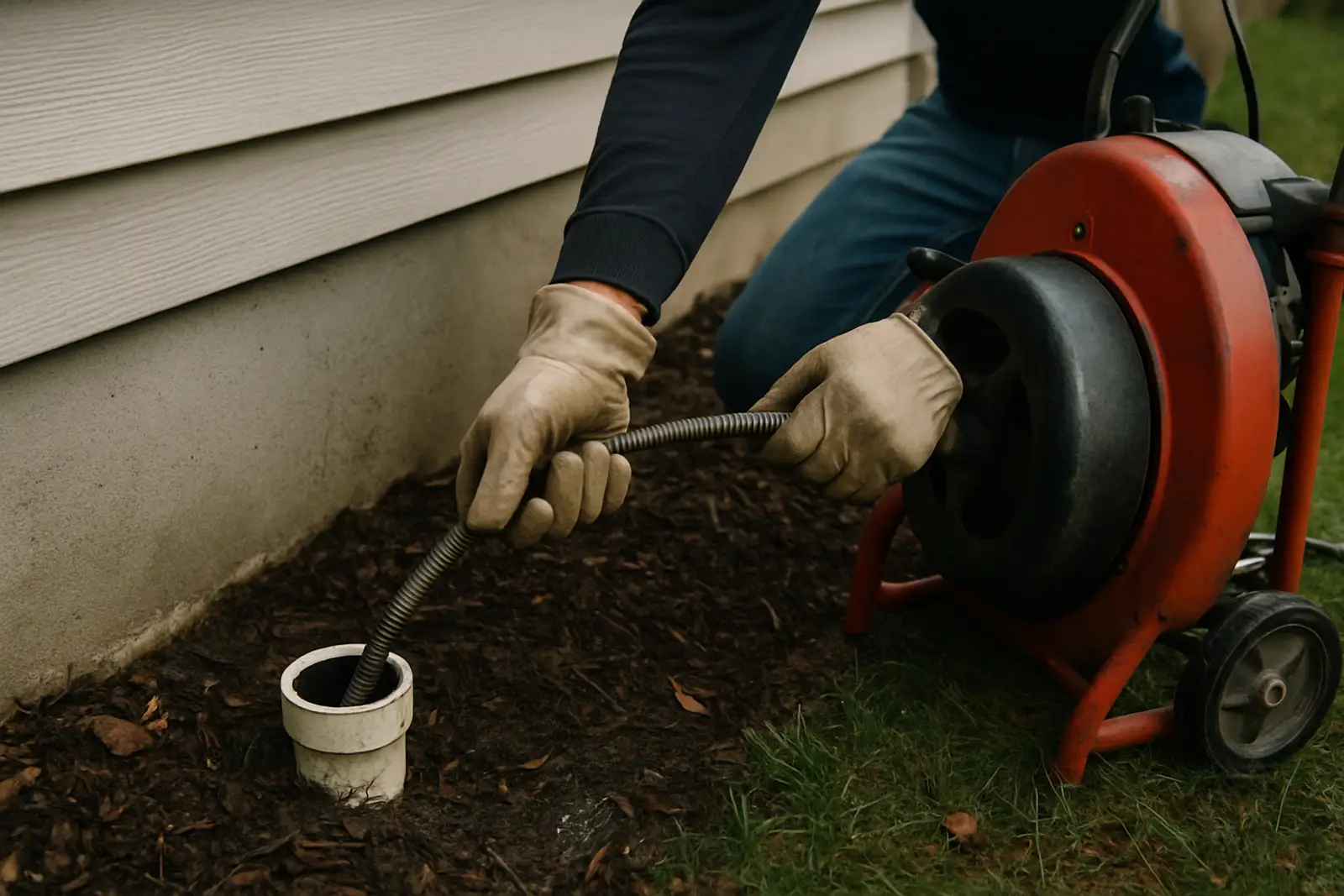
Houses and pipes in Fort Wayne
West Central, Williams-Woodland Park, the South Wayne historic district and the Lakeside neighborhood have homes from the 1870s through the 1920s, with basements and clay laterals.
Neighborhoods like Southwood Park, Forest Park and North Highlands were built from the 1910s through the 1940s with Tudors, Colonial Revivals and bungalows on tree-lined streets.
Postwar neighborhoods on the north and southwest sides were built from the 1950s through the 1970s with ranches and split-levels.
Newer subdivisions toward Aboite, Perry Township and the northeast have PVC drains and sump pumps.
The St. Joseph and St. Marys rivers join to form the Maumee in downtown Fort Wayne, and the city has a long history of floods, including the major flood of 1982.
Who handles what in Fort Wayne
Fort Wayne City Utilities runs the sewer system and the water pollution control plant, and is building the Three Rivers Protection and Overflow Reduction Tunnel. In Fort Wayne, the property owner owns and maintains the lateral up to the public sewer.
Drain problems Fort Wayne homes see most
| Problem | Why it happens here |
|---|---|
| Roots in clay laterals | West Central, Southwood Park and Forest Park |
| Basement backups in storms | Combined sewer neighborhoods |
| High groundwater | Neighborhoods near the rivers |
| Cast iron corrosion | Older homes |
| Sump pump failures | Newer subdivisions |
| Frozen lines | Northern Indiana winters |
Fort Wayne drains through the year
Spring rains and snowmelt push the rivers up and raise groundwater, and summer storms overload combined sewers. Roots grow fastest in warm months.
Winters are cold and snowy enough to freeze drains in garages, porches and exterior walls.
What drain cleaning costs in Fort Wayne
| Job | Typical range |
|---|---|
| Sink, tub or toilet cleared | $125–$265 |
| Main line cleared from a cleanout | $190–$425 |
| Root cutting | $250–$575 |
| Hydro jetting | $325–$785 |
| Sewer scope inspection | $130–$270 |
| Sump pump replacement | $320–$850 |
Newer homes on the edges go quickly. Old clay under big trees, homes near the rivers with high groundwater and missing cleanouts take longer.
Before the plumber arrives
- 1
Stop running water
Skip laundry and showers for now.
- 2
Rivers high?
When the rivers are up after heavy rain, sewers in low neighborhoods can surcharge.
- 3
Watch the floor drain
Dirty water at the basement floor drain points to a lateral or sewer backup.
- 4
Find the cleanout
Older homes usually have it on the front basement wall.
Where three rivers meet
Fort Wayne began as a fort at the confluence of the St. Joseph and St. Marys rivers, which join to form the Maumee. The rivers made it a trading center and later a railroad and manufacturing city, but they also flood. The 1913 and 1982 floods are part of city lore, and levees now protect many neighborhoods. Homes near the rivers still sit on ground with high groundwater, and cracked laterals there take in water.
West Central
West Central, just west of downtown, is Fort Wayne's largest historic district, with Victorian, Italianate and Queen Anne homes built for merchants and railroad managers. Many have been restored. Their clay laterals are often original, and roots from the big trees on the tree lawns are a frequent cause of backups.
Southwood Park and Forest Park
Southwood Park, on the south side, and Forest Park, on the north side, are early twentieth-century neighborhoods with Tudors, Colonial Revivals and bungalows on curving, tree-lined streets. They're beautiful, and their trees are huge. Clay laterals under those trees fill with roots.
Combined sewers and the tunnel
Fort Wayne's older neighborhoods have combined sewers that overflowed into the rivers dozens of times a year. City Utilities has been building the Three Rivers Protection and Overflow Reduction Tunnel, a five-mile tunnel about 200 feet down, to store overflow. For homeowners, local sewers can still surcharge in big storms, and backwater valves help.
A typical Fort Wayne call
In May, after a week of rain with the St. Marys running high, a family in a 1925 Tudor in Southwood Park finds water around the basement floor drain. The plumber opens the cleanout and clears roots about forty feet out, then sees on the camera that groundwater is seeping in at two cracked joints. A liner gets added to the summer budget.
Lakeside and the near north
Lakeside, northeast of downtown along the St. Joseph River, has homes from the early 1900s and the Lakeside Park rose garden. Its location near the river means higher groundwater, and old clay laterals there take in water during wet periods.
Postwar and newer homes
Postwar ranches and split-levels on the north side and southwest side have cast iron and clay that are now aging. Newer subdivisions toward Aboite and the northeast have PVC, sump pumps and finished basements, where calls tend to be about grease, wipes and pump failures.
Sump pumps
Most Fort Wayne basements built after the 1960s have sump pumps to keep groundwater out. In wet springs, they run constantly. Test the pump each spring and consider a battery backup, especially near the rivers.
Downtown and restaurants
Downtown Fort Wayne's revival around Parkview Field, the Landing and Promenade Park has brought new restaurants into old buildings. Busy kitchens there and along Broadway and Coldwater Road do best with interceptors pumped on a tight schedule.
Winter
Northern Indiana winters bring lake-effect snow and long cold spells. Drains in garages, enclosed porches and exterior walls freeze first, and sump discharge lines can ice over. Insulate exposed pipe and make sure sump lines drain completely.
Old rail and factory neighborhoods
The neighborhoods around the old Pennsylvania Railroad shops and the General Electric and International Harvester plants on the south and east sides were built for workers in the early 1900s. Modest frame and brick homes there have clay laterals and cast iron stacks that are now a century old.
Downspouts and footing drains
Many Fort Wayne homes built before the 1970s had their roof downspouts and foundation footing drains tied straight into the sewer lateral, which was standard practice then. In a city with high groundwater and three rivers, that sends a lot of clean water into the sanitary system every time it rains, and it can push a slow lateral over the edge. City Utilities has encouraged homeowners to disconnect those connections. Rerouting downspouts to the yard and moving footing drains to a sump pump takes a big load off both the house and the sewer.
Before the plumber arrives
Note your neighborhood, the home's age and whether there's a basement cleanout, sump pump or backwater valve. Say whether the rivers were high or it rained hard, and whether big trees grow over the sewer path.
Fort Wayne ZIP codes
- 46802
- 46803
- 46804
- 46805
- 46806
- 46807
- 46808
- 46809
- 46814
- 46815
- 46816
- 46818
- 46819
- 46825
- 46835
- 46845
Fort Wayne drain questions
Who handles sewer in Fort Wayne?+
Fort Wayne City Utilities runs the public system. Everything between your foundation and that public pipe is the homeowner's to repair.
What is the Three Rivers tunnel?+
A deep storage tunnel under the city that captures combined sewer overflow during storms, reducing overflows into the rivers and easing pressure on older sewers.
Do homes near the rivers have more sewer trouble?+
Often, yes. High groundwater seeps into cracked laterals, and flooding can surcharge sewers.
Is a sewer scope worth it in Fort Wayne?+
Yes, particularly in the older neighborhoods inside the old city limits.