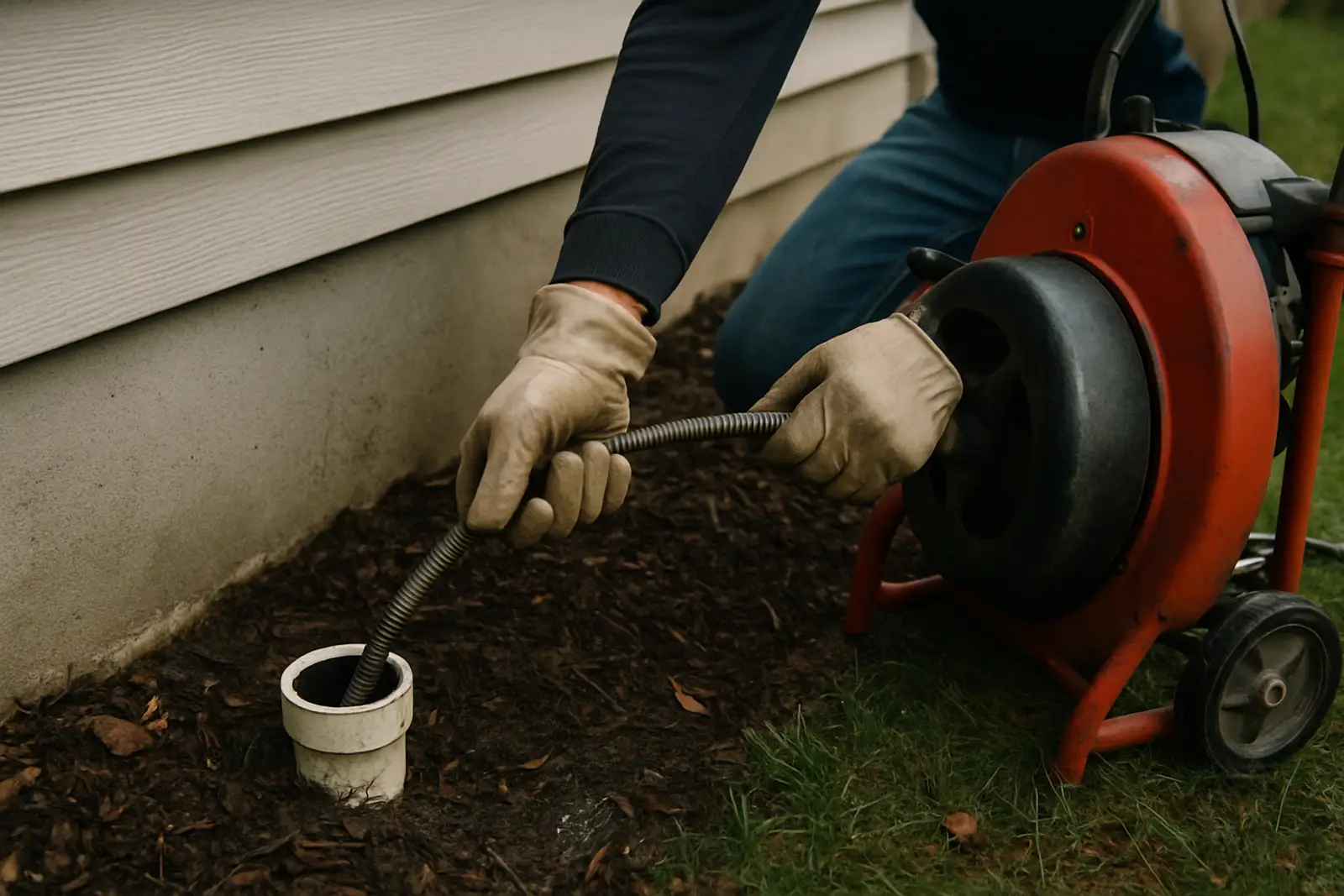
Houses and pipes in Lansing
Old Town, the Eastside, REO Town and the neighborhoods near the Capitol have homes from the 1870s through the 1920s, with basements and clay tile laterals.
Neighborhoods like Moores Park, Genesee, Westside and the areas around Potter Park were built from the 1910s through the 1940s with bungalows and foursquares for auto and state workers.
South Lansing and the outer neighborhoods filled in from the 1940s through the 1970s with ranches and Cape Cods over basements.
Lansing has spent many years separating combined sewers in its older neighborhoods to reduce overflows into the Grand and Red Cedar rivers.
The Grand River and the Red Cedar River meet near downtown, and low neighborhoods near them have higher groundwater.
Who handles what in Lansing
The City of Lansing's Public Service Department operates the sewer system and wastewater treatment plant. A Lansing property's sewer lateral, from the house to the public main, is privately owned.
Drain problems Lansing homes see most
| Problem | Why it happens here |
|---|---|
| Roots in clay tile | Old Town, Eastside and Moores Park |
| Basement backups | Older homes in former combined sewer areas |
| Cast iron corrosion | Bungalows and postwar homes |
| Grease and wipes | Rentals and busy households |
| Groundwater infiltration | Low areas near the rivers |
| Frozen lines | Long winters |
Lansing drains through the year
Spring thaw and summer storms raise groundwater and load sewers, and roots grow fastest from May through August.
Winters bring long cold spells that freeze drains in garages, porches and exterior walls.
What drain cleaning costs in Lansing
| Job | Typical range |
|---|---|
| Sink, tub or toilet cleared | $130–$270 |
| Main line cleared from a cleanout | $195–$440 |
| Root cutting | $255–$585 |
| Hydro jetting | $335–$800 |
| Sewer scope inspection | $135–$275 |
| Backwater valve installation | $850–$2,600 |
Newer homes clear quickly. Century-old clay, homes without cleanouts and lines near the rivers take longer.
Before the plumber arrives
- 1
Stop using water
Hold off on laundry, the dishwasher and showers.
- 2
Look at the floor drain
Water at the basement floor drain points to a main line blockage.
- 3
Near MSU?
If you rent in East Lansing or near campus, call your landlord first.
- 4
Find the cleanout
Check the basement near the front wall.
Capital and auto town
Lansing became Michigan's capital in 1847 and grew into an industrial city after Ransom Olds started building cars there in the 1890s. State workers built homes near the Capitol and in neighborhoods like Genesee and Westside, while auto workers filled the Eastside, REO Town and south Lansing. Those homes have basements and clay tile laterals, many under big street trees. After a century, roots, cracks and settling are common.
Old Town and REO Town
Old Town, north of downtown along the Grand River, was Lansing's first commercial district and has been revived with shops and restaurants. REO Town, south of downtown, grew around the REO Motor Car Company. Both have old homes and buildings with very old sewer lines, and low ground near the river that raises groundwater.
Combined sewer separation
For decades, Lansing's older neighborhoods were served by combined sewers that overflowed into the rivers during storms and sometimes backed water into basements. The city has spent many years separating those systems by building new storm sewers. In separated areas, basement backups from public sewer surcharges are less common, but many homes still have old downspouts or footing drains connected to the lateral, which can still cause problems.
Eastside bungalows
The Eastside, between downtown and East Lansing, is full of 1910s and 1920s bungalows and foursquares with basements. Many have been rentals for years, especially closer to Michigan State. Clay laterals with roots and cast iron with heavy scale are typical findings.
A typical Lansing call
In early June, a family in a 1922 bungalow on the Eastside notices the basement floor drain bubbling and then overflowing while the washer drains. The plumber opens the front-wall cleanout and clears a heavy mass of roots about forty feet out. The camera shows several cracked clay joints and a sag near the curb. The family gets quotes for lining and a spot repair.
South Lansing
South Lansing filled in during and after World War II with ranches and Cape Cods for workers at the Oldsmobile and Fisher Body plants. Cast iron inside and clay outside is typical, and both are now seventy to eighty years old. Scale and roots cause most problems.
Rivers and groundwater
Lansing's neighborhoods near the Grand and Red Cedar rivers sit on lower ground. Spring thaw and heavy rain raise groundwater, which seeps into cracked laterals. Sump pumps work harder, and cracked pipe lets more water in. Repairing cracked laterals helps keep basements dry.
Restaurants downtown and in Old Town
Downtown Lansing's restaurants near the Capitol, Old Town's eateries and the corridors along Michigan Avenue and Saginaw Street have many commercial kitchens. Grease traps pumped on schedule and lines jetted regularly keep them flowing, especially during legislative sessions and big events.
Michigan winters
Lansing's winters are long and cold. In January, the usual victims are the washer drain on an enclosed back porch, a utility sink in an unheated garage and the sump discharge hose where it leaves the house. A discharge line packed with ice leaves the pump running against a dead end. Slope that line so it empties completely, add pipe insulation in the garage and keep the porch door shut on subzero nights.
Moores Park and the Westside
West and south of downtown, Moores Park and the Westside neighborhood hold some of Lansing's best-kept older homes: brick colonials, Tudors and roomy foursquares built for state officials, lawyers and Oldsmobile managers in the 1910s and 1920s. Lots are deeper than on the Eastside, which means longer laterals running back to mains in the street, sometimes sixty or seventy feet of clay tile. Every joint along that run is a chance for roots, and the elms and maples here are some of the biggest in the city. Owners often find that a line cleared once a year for decades finally needs lining when the camera shows the clay cracking between joints, not just at them.
Many of these homes also have old basement laundry rooms with laundry tubs that drain into the floor drain, an arrangement that makes the floor drain the first place water appears when the main slows down.
Near Michigan State
Lansing's east edge runs right into East Lansing and Michigan State University, and many Eastside homes near Frandor and the Red Cedar are rented to students and young workers. Shared houses with several tenants send heavy daily loads of hair, grease and wipes into old laterals. A jetting before the August lease turnover is a simple habit that prevents most of the first-month backups.
Buying in Lansing
A sewer scope is a smart part of buying any older Lansing home. Look for roots, cracks, offsets and sags, and ask whether downspouts or footing drains are connected to the lateral.
Calling a Lansing plumber
Share your neighborhood and the home's age, whether there's a basement cleanout and whether the home is near a river. Mention big trees near the lateral and whether the trouble started after rain or snowmelt.
Lansing ZIP codes
- 48906
- 48910
- 48911
- 48912
- 48915
- 48917
- 48933
Lansing drain questions
Who handles sewer in Lansing?+
The city's Public Service Department. Your lateral to the public main is your responsibility.
What is combined sewer separation?+
Lansing has been replacing old combined sewers, which carried storm water and sewage together, with separate pipes. That reduces overflows and basement backups during storms.
Why do older Lansing homes get root clogs?+
Their clay laterals are often a century old, with joints that let roots in, and big street trees grow over them.
Should I scope the line before buying in Lansing?+
Yes, especially for homes built before 1960.