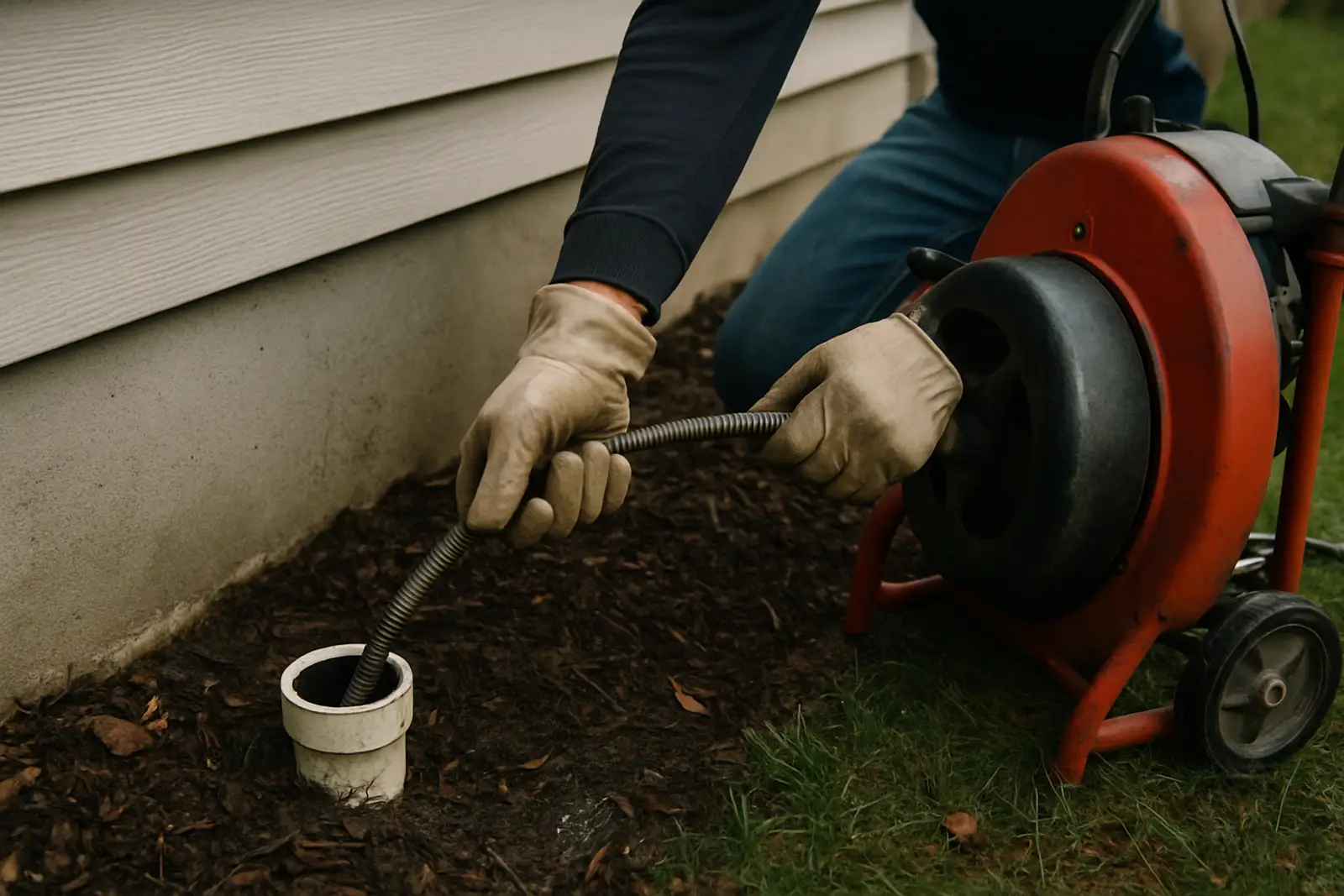
Houses and pipes in Ann Arbor
The Old West Side, Kerrytown, Burns Park, the Old Fourth Ward and the blocks around central campus have homes from the 1850s through the 1930s, nearly all with basements and clay tile laterals.
Neighborhoods like Lower Burns Park, Ann Arbor Hills and the near north side filled in from the 1920s through the 1950s with colonials, Tudors and bungalows over basements.
The postwar edges of the city, including Lansdowne, Pittsfield Village and the northeast side, were built in the 1950s through the 1970s with ranches and split-levels.
Newer subdivisions and condos on the outskirts have PVC drains, sump pumps and finished basements.
The Huron River winds through town, and many neighborhoods sit on hills with steep laterals and heavy tree cover.
Who handles what in Ann Arbor
Ann Arbor's Public Services Area runs the city's sanitary sewer and wastewater treatment plant. The private lateral from an Ann Arbor home to the city main is the owner's to maintain.
Drain problems Ann Arbor homes see most
| Problem | Why it happens here |
|---|---|
| Roots in clay tile | Old West Side, Burns Park and Kerrytown |
| Heavy use in rentals | Student houses near campus |
| Basement backups | Older homes with floor drains |
| Cast iron corrosion | 1920s through 1950s homes |
| Footing drain issues | Homes with foundation drains tied in |
| Frozen lines | Michigan winters |
Ann Arbor drains through the year
Late August move-in packs student rentals, and late spring and summer bring the fastest root growth and the heaviest storms.
Winter cold freezes drains in garages, porches and exterior walls, and spring thaw raises groundwater around basements.
What drain cleaning costs in Ann Arbor
| Job | Typical range |
|---|---|
| Sink, tub or toilet cleared | $145–$300 |
| Main line cleared from a cleanout | $220–$480 |
| Root cutting | $285–$640 |
| Hydro jetting | $370–$870 |
| Sewer scope inspection | $150–$300 |
| Sump pump replacement | $360–$920 |
Newer homes clear quickly. Century-old clay under big trees, tight basements in historic houses and heavily used rentals take longer.
Before the plumber arrives
- 1
Cut water use
Ask housemates to skip showers and laundry until it's cleared.
- 2
Check downstairs
Gray water at the basement floor drain means the main line is blocked.
- 3
Renting?
Call your landlord or property manager first, as Ann Arbor leases usually assign drain repairs to the owner.
- 4
Find the cleanout
Usually a capped pipe low on the front basement wall.
The Old West Side and Kerrytown
The Old West Side was settled largely by German immigrants in the mid 1800s, and it still has rows of small frame houses, many with original details, along streets shaded by huge maples and oaks. Kerrytown, around the Farmers Market, has a similar mix of old homes and shops. Clay tile laterals there are often well over a century old, and roots are the most common cause of backups. Because these are historic districts with valued trees, lining is usually the preferred repair.
Burns Park and the campus neighborhoods
Burns Park, just southeast of campus, has early 1900s foursquares, colonials and bungalows on tree-lined streets, many owned by faculty families. The blocks closer to campus, north of Burns Park and around South State and Packard, are packed with student rentals. Several students per house push heavy loads through old clay laterals, and backups in late August and September are common. Landlords who jet mains each summer save themselves a lot of emergency calls.
Footing drains and storms
Many older Ann Arbor homes had their foundation footing drains connected to the sanitary sewer when they were built. During heavy rain, those drains send a lot of groundwater into the sewer system, which can overload it and push sewage back into basements. The city's footing drain disconnection program addressed this in many neighborhoods by rerouting footing drains to new sump pumps. If your home was part of the program, keep that sump pump in good shape.
A typical Ann Arbor call
The second week of the fall semester, six students in a 1910 house off Packard Street see water rising through the basement floor drain. The plumber clears the main from the basement cleanout, pulling out hair, wipes and a mass of maple roots about thirty-five feet out. The camera shows offset clay joints. The landlord schedules a liner and annual jetting.
Hills above the Huron
Ann Arbor's neighborhoods climb hills on both sides of the Huron River. Homes on slopes, especially in Ann Arbor Hills, the near north side and along Geddes, often have steep laterals. Steep runs can let solids settle out, and hillside soil can shift pipe. Jetting cleans these lines thoroughly.
Postwar Ann Arbor
Neighborhoods built after World War II, including Lansdowne and the areas off Packard, Stadium and Plymouth Road, have ranches and split-levels with cast iron inside and clay or early plastic outside. Scale in the cast iron and roots in the clay are common at this age.
Restaurants on Main Street and State Street
Main Street, State Street, South University and Kerrytown are packed with restaurants, bars and cafes, many in buildings from the 1800s. On football Saturdays, crowds swell to more than 100,000, and kitchens run hard. Grease traps pumped regularly and lines jetted on schedule keep them running.
Winter and spring thaw
Ann Arbor winters bring long cold stretches, and drains in garages, enclosed porches and uninsulated additions freeze first. In spring, snowmelt raises groundwater and stresses sump pumps and cracked laterals. Keep sump discharge lines clear of ice, insulate exposed pipe and let faucets drip during deep cold.
Grad students and long-term renters
Beyond undergraduate houses, many older Ann Arbor homes are rented to graduate students, hospital residents and young families. Long-term tenants often notice slow drains and gurgling before a full backup. Reporting those early signs to the landlord lets them schedule a cleaning before it becomes an emergency.
Buying an older Ann Arbor home
A sewer scope is especially valuable in the historic neighborhoods. Watch the full video for roots, cracks, offsets and sags, and ask whether the home was part of the footing drain disconnection program.
Calling an Ann Arbor plumber
Share the neighborhood and the home's age, whether it's a rental and how many people live there. Mention whether there's a sump pump, big trees near the lateral and whether the trouble started after a storm or move-in.
Ann Arbor ZIP codes
- 48103
- 48104
- 48105
- 48108
- 48109
Ann Arbor drain questions
Who handles sewer in Ann Arbor?+
The city's Public Services Area. The lateral to the main belongs to the property owner.
What is Ann Arbor's footing drain disconnection program?+
The city has worked to disconnect foundation footing drains from the sanitary sewer in some neighborhoods, adding sump pumps instead, to reduce basement backups during storms.
Why do campus-area houses clog so often?+
Old houses with several student tenants push far more hair, grease and wipes through clay laterals than they were built for.
Should I scope the line before buying in Ann Arbor?+
Yes, especially for homes built before 1960.