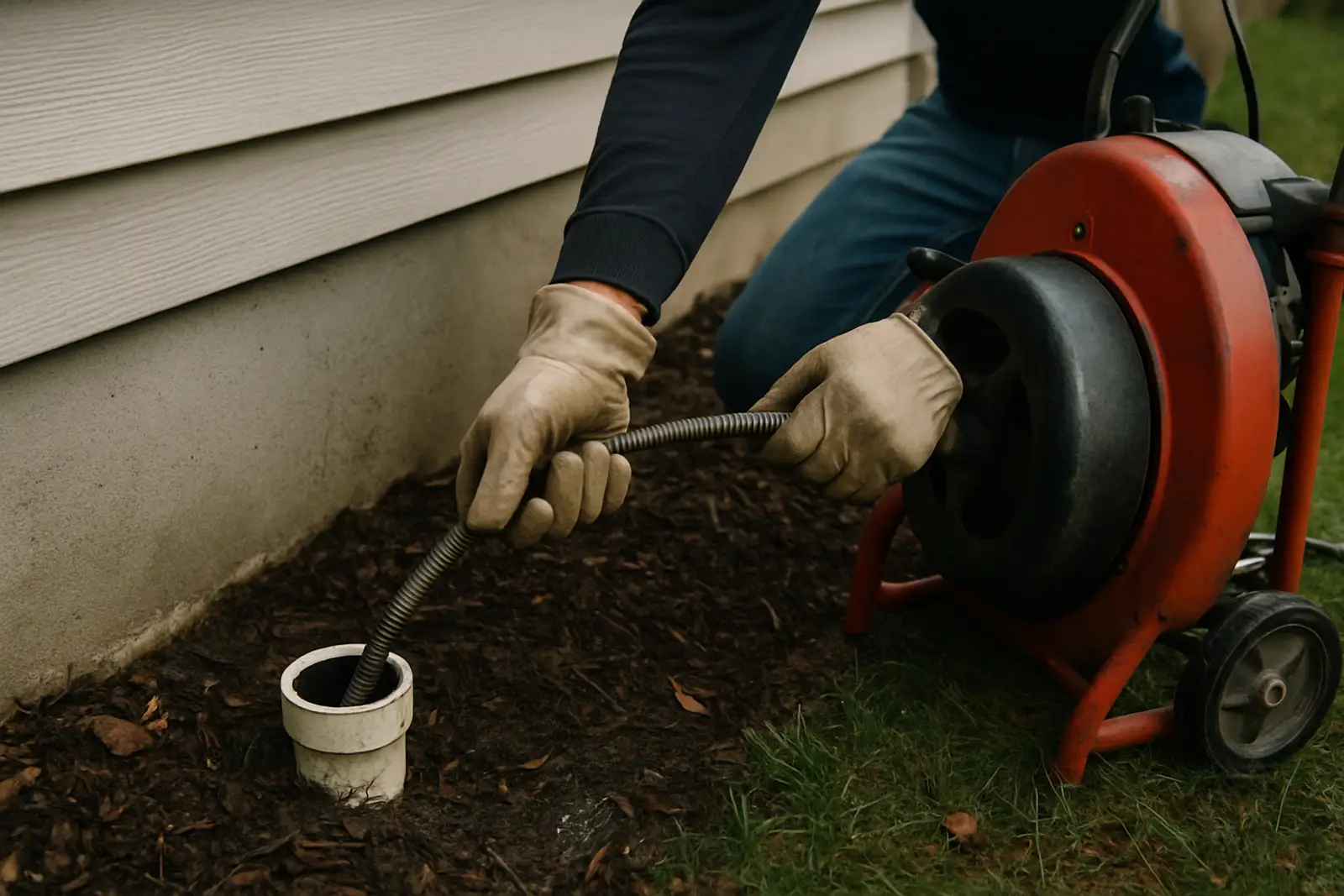
Houses and pipes in Pittsburgh
Lawrenceville, the Strip District, Polish Hill, the South Side Flats and Slopes, and the North Side's Mexican War Streets have brick rowhouses and workers' homes from the 1860s through the 1910s with basements and old clay laterals.
Squirrel Hill, Shadyside, Highland Park and Point Breeze have larger homes from the 1890s through the 1930s on tree-lined streets.
Hilltop neighborhoods like Brookline, Beechview, Carrick and Greenfield were built from the 1910s through the 1950s with brick homes on very steep lots.
Many Pittsburgh streets are so steep that homes are reached by public staircases, and laterals drop sharply to sewers below.
The Allegheny County Sanitary Authority, ALCOSAN, treats wastewater for Pittsburgh and 82 other municipalities, and is building a major tunnel system to reduce overflows.
Who handles what in Pittsburgh
Pittsburgh Water maintains the city's local sewers, and ALCOSAN runs the regional interceptors and treatment plant on the Ohio River. Pittsburgh homeowners own the lateral from the house to the public sewer and are responsible for repairs.
Drain problems Pittsburgh homes see most
| Problem | Why it happens here |
|---|---|
| Basement flooding in storms | Combined sewer neighborhoods |
| Steep, long laterals | Hillside homes citywide |
| Roots in clay pipe | Squirrel Hill, Highland Park and Brookline |
| Cracked or shifted laterals | Landslide-prone slopes |
| Cast iron corrosion | Rowhouses and older homes |
| Frozen lines | Winter cold |
Pittsburgh drains through the year
Summer thunderstorms are the biggest risk, overloading combined sewers and flooding low streets like Washington Boulevard. Roots grow fastest from May through August.
Winter freeze-thaw cycles and wet springs can trigger landslides that shift laterals, and cold snaps freeze drains in garages and exterior walls.
What drain cleaning costs in Pittsburgh
| Job | Typical range |
|---|---|
| Sink, tub or toilet cleared | $130–$275 |
| Main line cleared from a cleanout | $200–$445 |
| Root cutting | $260–$595 |
| Hydro jetting | $340–$815 |
| Sewer scope inspection | $135–$280 |
| Backwater valve installation | $900–$2,750 |
Flat-lot homes with a reachable cleanout go fastest. Very steep laterals, pipe shifted by slides and rowhouses without cleanouts take longer.
Before the plumber arrives
- 1
Shut off the washer
It sends the most water down the line at once; showers and dishes can wait too.
- 2
Storm-related?
If neighbors also have water during a downpour, the combined sewer may be surcharged.
- 3
Check the cellar drain
Pittsburgh basements usually show the backup at the floor drain by the laundry tubs.
- 4
Locate the cleanout
Look on the downhill basement wall where the line exits toward the street.
A city of hills and stairs
Pittsburgh has more than 700 sets of public stairs, because many neighborhoods were built on slopes too steep for roads. Homes perch above and below the street, and their laterals drop sharply to sewers below. On very steep runs, water races ahead of solids, leaving paper and waste stranded where the slope eases. Long, steep laterals also cross more joints, giving roots more chances. Hydro jetting is often the best way to clean them.
Mill neighborhoods
Lawrenceville, Polish Hill, the South Side and the Strip District were built for steel, glass and rail workers in the late 1800s. Brick rowhouses sit tight against the sidewalk, with basements and clay laterals running under the street. Many of these neighborhoods have been revived with new restaurants and residents, but the original laterals often remain. Roots, cracks and collapsed sections are common.
Combined sewers and ALCOSAN
Pittsburgh's older neighborhoods are served by combined sewers that overflow into the rivers during heavy rain. ALCOSAN is building a large tunnel system under the rivers to store overflow, and Pittsburgh Water has invested in green infrastructure. For homeowners, a backwater valve, a floor drain plug and disconnected downspouts help protect basements.
Landslides
Pittsburgh's steep hillsides sit on clay and shale that slide after heavy rain and freeze-thaw cycles. In recent years, wet springs have triggered hundreds of landslides. Slow ground movement can crack laterals, pull joints apart and shift pipe out of line. If a line keeps clogging on a hillside lot, a camera inspection may show damage from movement.
A typical Pittsburgh call
After a July thunderstorm, a family in a 1920s brick home in Brookline finds water spreading from the cellar floor drain. The plumber opens the cleanout on the downhill wall and clears roots about forty feet out, where the lateral crosses under a maple. On the monitor, one clay joint has pulled apart, likely from slope movement. The family asks about lining and a backwater valve.
Squirrel Hill and the East End
Squirrel Hill, Shadyside, Highland Park and Point Breeze have larger homes from the 1890s through the 1930s on leafy streets. Big trees and long clay laterals mean roots are the most common cause of backups. Many homes have finished basements, making backwater valves worthwhile.
Students in Oakland
Oakland, home to Pitt and Carnegie Mellon, has many old houses packed with students. Heavy use through old laterals means frequent clogs, especially in the fall. Landlords who jet lines in summer avoid many emergencies.
Hilltop neighborhoods
Brookline, Beechview, Carrick, Greenfield and Mount Washington were built from the 1910s through the 1950s with brick homes on some of the steepest lots in the city. Laterals are clay or cast iron, often long and steep, and slope movement is a constant concern.
Pierogies and sandwiches
Pittsburgh's restaurants, from the Strip District's markets and Primanti Brothers to Lawrenceville's Butler Street and the South Side's Carson Street, put a lot of grease into old lines. Kitchens in century-old buildings avoid shutdowns by keeping interceptors pumped on a strict cycle.
Winter
Pittsburgh winters bring freeze-thaw cycles and occasional deep cold. Pipes in unheated cellars, garages and exterior walls freeze first. Heat the basement, wrap exposed pipe and keep a faucet trickling on the coldest nights.
The North Side
Across the Allegheny, the North Side's Mexican War Streets, Manchester, Allegheny West and Deutschtown hold some of the finest Victorian rowhouses in the city, built when Allegheny was its own city in the 1800s. Many have been carefully restored, with new kitchens and baths connected to stacks and laterals that are well over a century old. Restoration crews sometimes discover the lateral only when the first backup hits. A camera run before finishing a basement or redoing a bathroom tells an owner whether the old pipe can carry the new fixtures or needs lining first.
Information to have ready
Know your neighborhood, the home's rough age and how steep the lot is. Note whether there's a cleanout, whether it rained hard and whether neighbors also have water, and mention any signs of slope movement on the property.
Pittsburgh ZIP codes
- 15201
- 15202
- 15203
- 15204
- 15205
- 15206
- 15207
- 15208
- 15209
- 15210
- 15211
- 15212
- 15213
- 15214
- 15215
- 15216
- 15217
- 15218
- 15219
- 15220
- 15221
- 15222
- 15223
- 15224
- 15225
- 15226
- 15227
- 15228
- 15229
- 15232
- 15233
- 15234
- 15235
- 15236
- 15237
- 15238
- 15239
- 15241
- 15243
- 15260
- 15275
- 15282
- 15290
Pittsburgh drain questions
Who handles sewer in Pittsburgh?+
Pittsburgh Water maintains local sewers and ALCOSAN runs the regional system. The lateral from your house belongs to you.
Why do Pittsburgh basements flood in storms?+
Much of the city has combined sewers that fill quickly during heavy rain, and water can rise back through basement drains.
Can a landslide break my sewer line?+
Yes. Pittsburgh's steep slopes move, and that movement can crack or separate laterals.
Is a sewer scope worth it when buying in Pittsburgh?+
Yes. Steep laterals and century-old clay can hide expensive problems.