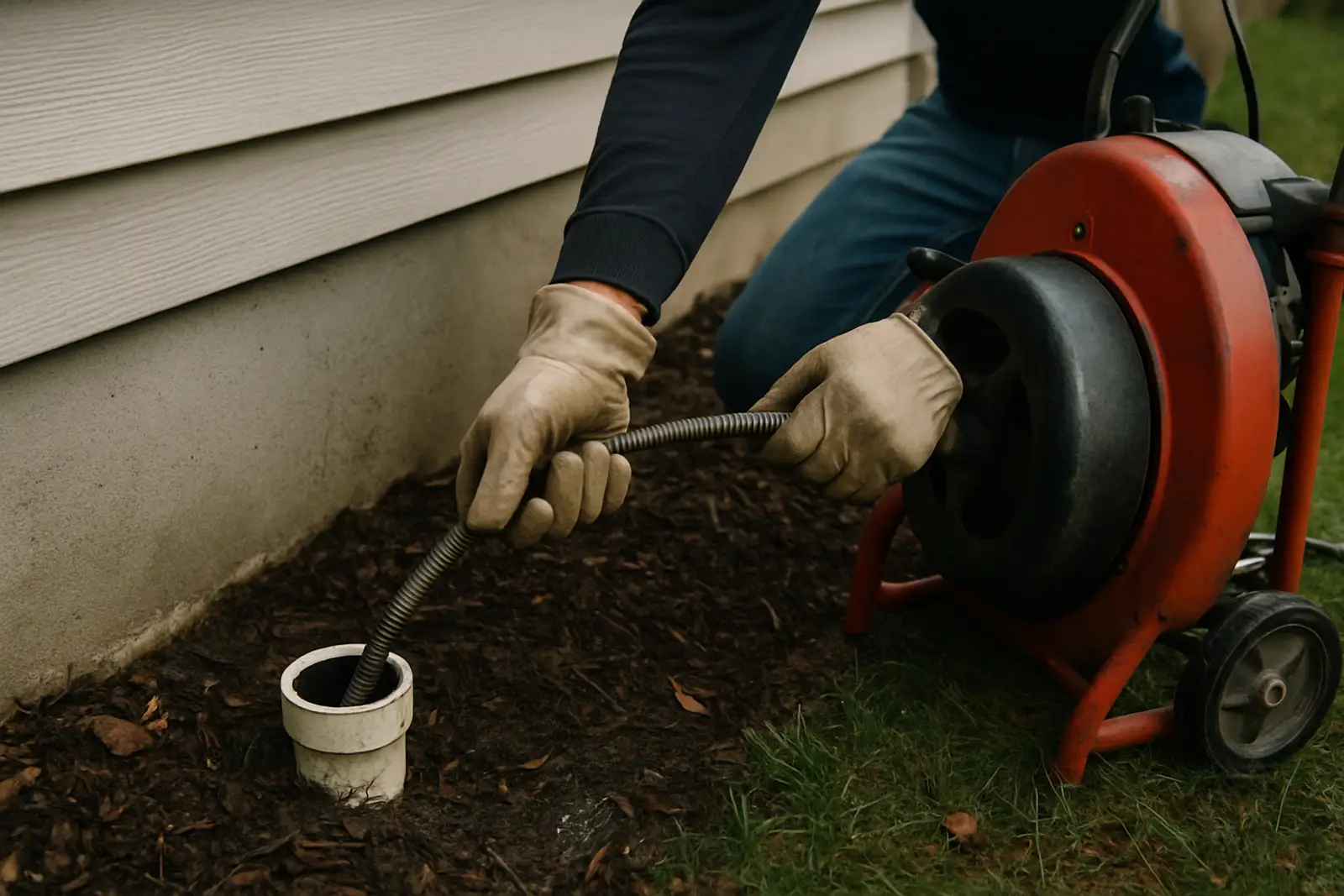
Houses and pipes in Spokane
Browne's Addition, the South Hill, Cliff/Cannon and the neighborhoods around Gonzaga have homes from the 1890s through the 1930s, many with basements and clay tile side sewers.
North Side neighborhoods like Garland, Audubon/Downriver and Emerson-Garfield were built in the 1910s through the 1940s with bungalows and Craftsmans over basements.
Postwar neighborhoods on the North Side, Northeast and East Central were built in the 1940s through the 1970s with ranches and split-levels.
Newer subdivisions on the far North Side, Indian Trail and the South Hill bluffs were built from the 1980s onward with PVC drains.
Spokane sits on basalt and glacial outwash above the Spokane River, with cold winters, hot dry summers and a climate very different from western Washington.
Who handles what in Spokane
The City of Spokane's wastewater management division runs the sewer system and treatment facility. A Spokane property owner owns the side sewer from the house all the way out to the city main.
Drain problems Spokane homes see most
| Problem | Why it happens here |
|---|---|
| Roots in clay side sewers | South Hill, Browne's Addition and older North Side |
| Frozen drains | Hard inland winters |
| Basement backups | Older homes with floor drains |
| Cast iron corrosion | Postwar homes |
| Grease and wipes | Rentals near Gonzaga and busy households |
| Rocky soil and shallow pipe | Basalt areas |
Spokane drains through the year
Spring snowmelt and rain soak the ground, and roots grow fastest in late spring and early summer, so May and June are busy months for main line calls.
Spokane's winters bring long freezes and arctic outbreaks that can freeze drains in garages, crawlspaces and exterior walls, and shallow side sewers in exposed spots.
What drain cleaning costs in Spokane
| Job | Typical range |
|---|---|
| Sink, tub or toilet cleared | $135–$280 |
| Main line cleared from a cleanout | $205–$455 |
| Root cutting | $270–$610 |
| Hydro jetting | $350–$830 |
| Sewer scope inspection | $140–$285 |
| Frozen line thawing | $200–$520 |
Newer North Side homes clear quickly. Century-old clay on the South Hill, frozen lines and rocky access take longer.
Before the plumber arrives
- 1
Stop water use
Hold off on laundry, showers and dishes.
- 2
Check the basement
Water at the basement floor drain usually means the main line is blocked.
- 3
Cold snap?
If it's below zero and a drain stops, it may be frozen. Don't pour boiling water into PVC.
- 4
Find the cleanout
Often in the basement near the front wall or outside near the foundation.
After the Great Fire
When fire destroyed downtown Spokane in 1889, the city rebuilt quickly with money from mining and railroads. The wealthy built mansions in Browne's Addition and on the South Hill, and workers built bungalows on the North Side. Those homes got clay tile side sewers that have now been in the ground for more than a century, under street trees that have grown enormous. Roots, cracks and offsets are very common.
Many of the grand old homes in Browne's Addition were divided into apartments decades ago, putting heavy use on old lines. Lining or bursting can renew a side sewer without disturbing historic yards.
The South Hill
The South Hill rises steeply from downtown, with Craftsman homes, Tudors and mansions along tree-lined streets near Manito Park. Side sewers there are often long and steep, running downhill to the main. Long lines give roots more joints to enter, and steep sections can leave debris behind. Jetting cleans them thoroughly.
North Side bungalows
Garland, Audubon/Downriver, Emerson-Garfield and the neighborhoods around Gonzaga are full of 1910s through 1940s bungalows and Craftsmans with basements. Many have clay side sewers and cast iron under the floor. Near Gonzaga, many homes are student rentals with heavy use.
Hard winters
Spokane's winters are far colder than Seattle's, with snow and arctic outbreaks that can keep temperatures below zero for days. Drains in garages, crawlspaces and exterior walls freeze first, and a shallow side sewer can freeze where it passes under a driveway or exposed spot. Keep garage doors shut, insulate exposed pipes and let a faucet drip on the coldest nights. A frozen line should be thawed carefully with heat or steam.
A typical Spokane call
In early June, a family in a 1925 bungalow in Garland notices water rising at the basement floor drain while doing laundry. The plumber opens the basement cleanout and clears a dense mass of roots from a big maple about forty feet out. The camera shows cracked clay and an offset joint. The family books lining before fall.
Rock and basalt
Parts of Spokane sit on basalt and rocky glacial soil, which can make digging difficult and expensive. That's one reason trenchless repair methods like lining and bursting are popular here.
Gonzaga and student rentals
The Logan neighborhood around Gonzaga University is full of older homes rented to students. Several tenants push a lot of hair, grease and wipes through old clay lines. Landlords who jet mains before fall semester avoid many emergencies.
Restaurants and downtown
Downtown Spokane's restaurants near Riverfront Park and the corridors along Division Street and Sprague Avenue have many commercial kitchens. Interceptors pumped on schedule and lines jetted regularly keep them flowing, especially during Hoopfest and Bloomsday weekends.
Postwar Northeast and Spokane Valley edges
After World War II, Spokane filled in its Northeast and East Central neighborhoods with ranch houses and split-levels for families working at Kaiser Aluminum, Fairchild Air Force Base and the railroads. Hillyard, once a railroad town of its own, has a mix of old worker cottages and postwar homes. Many of these houses have cast iron drains under a basement slab and clay or concrete side sewers out to the street. After seventy winters, the cast iron is often heavily scaled and the side sewer has a root problem at one or two joints. Descaling the cast iron and cutting the roots usually restores good flow, and the camera footage tells the owner whether a liner is needed in the next few years.
Spokane's dry summers matter here too. In July and August, when lawns go brown and the soil dries out, trees chase any moisture they can find, and a weeping clay joint is an easy target. Root growth in a side sewer often speeds up during the hottest, driest weeks of the year.
Ice dams, snowmelt and basement drains
When a thick snowpack melts quickly in March, water can pool against foundations and find its way into older basements through cracks and floor drains. Homes with downspouts tied into the side sewer, a common setup decades ago, send that meltwater straight into the line along with household waste. Disconnecting old roof drains from the sewer and running them out to the yard keeps spring melt from overloading the side sewer.
Buying in Spokane
A sewer scope is a smart part of buying any older Spokane home. Watch the full video for roots, cracks and offsets, and get a repair estimate before closing.
What to tell a Spokane plumber
Share your neighborhood and the home's age, whether there's a basement and where the water appeared. Mention big street trees, whether it's a rental and whether the trouble started during a cold snap or after snowmelt.
Spokane ZIP codes
- 99201
- 99202
- 99203
- 99204
- 99205
- 99206
- 99207
- 99208
- 99212
- 99216
- 99217
- 99218
- 99223
- 99224
- 99251
- 99258
Spokane drain questions
Who handles sewer in Spokane?+
The City of Spokane runs the system. The side sewer from your house to the main belongs to you.
Do sewer lines freeze in Spokane?+
Drains inside cold spaces freeze most often, but shallow side sewers in exposed areas can freeze in a long cold spell.
Why are roots such a problem on the South Hill?+
Old clay side sewers and huge street trees planted a century ago are a classic recipe for root intrusion.
Should I scope the sewer before buying in Spokane?+
Yes, especially for homes built before 1960.