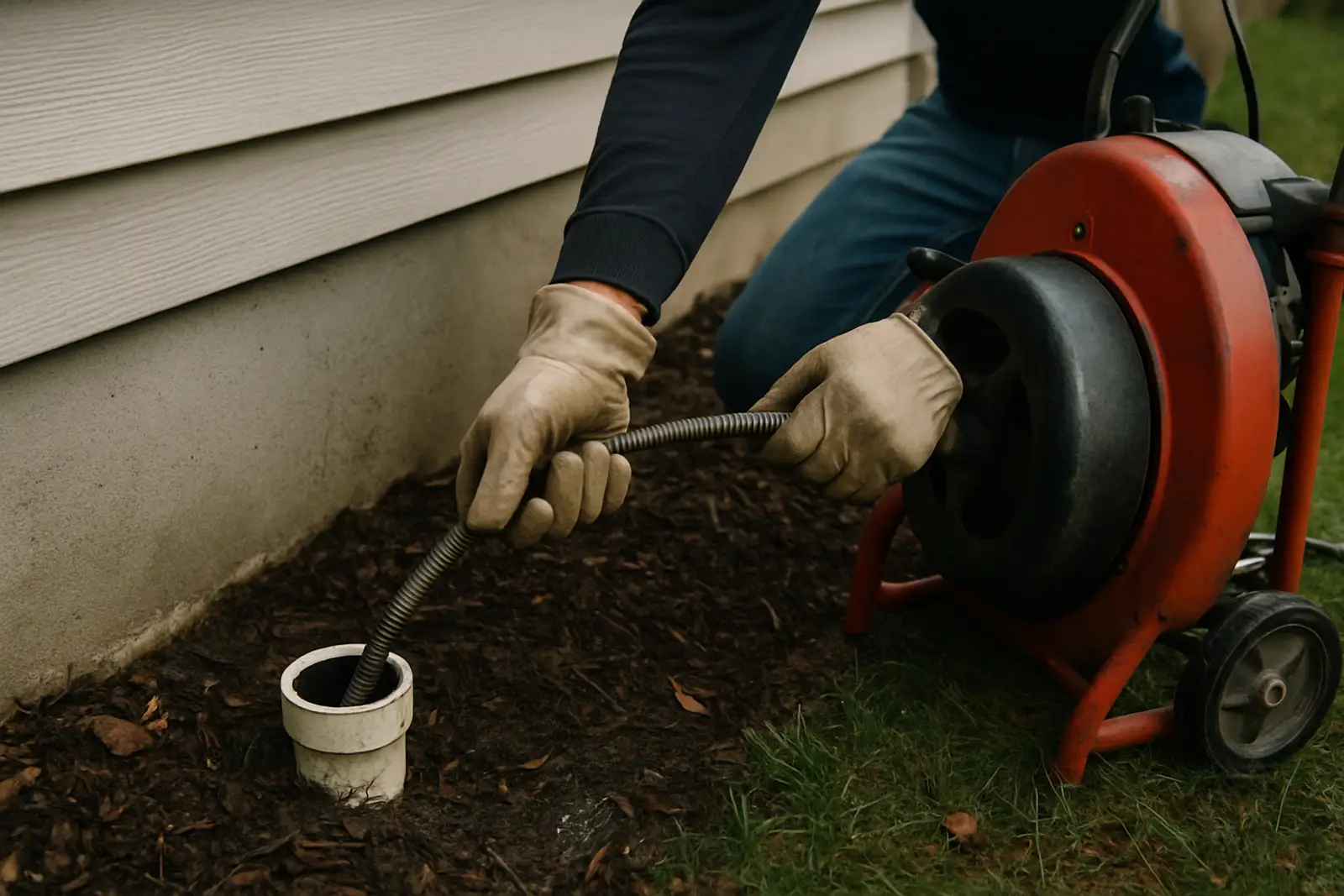
Houses and pipes in Jersey City
Downtown Jersey City, including Paulus Hook, Van Vorst Park and Hamilton Park, has brownstones and row houses from the 1830s through the 1890s, many with garden-level apartments and house traps.
The Heights has two- and three-family homes and row houses from the 1880s through the 1930s on the Palisades ridge.
Journal Square, Bergen-Lafayette, Greenville and the West Side have two-families, frame homes and apartment buildings from the 1890s through the 1950s.
Newer high-rises along the waterfront and in Journal Square have been built since the 1990s.
Much of Jersey City has combined sewers on low ground near the Hudson and Hackensack rivers, and flooding is common during heavy rain and high tides.
Who handles what in Jersey City
The Jersey City Municipal Utilities Authority runs the city's sewers, and the Passaic Valley Sewerage Commission treats most of the wastewater. Jersey City property owners maintain the house sewer from the building to the main.
Drain problems Jersey City homes see most
| Problem | Why it happens here |
|---|---|
| Basement flooding in storms | Downtown, Bergen-Lafayette and low areas |
| House trap clogs | Brownstones and row houses |
| Multi-family shared lines | Heights and West Side two-families |
| Tidal flooding | Waterfront and low neighborhoods |
| Cast iron corrosion | Century-old buildings |
| Grease buildup | Restaurants and busy kitchens |
Jersey City drains through the year
Summer cloudbursts and tropical remnants, especially when they coincide with high tides, flood streets and basements. Roots grow fastest in summer.
Winter nor'easters push tides higher, and cold snaps freeze pipes in unheated basements and exterior walls.
What drain cleaning costs in Jersey City
| Job | Typical range |
|---|---|
| Sink, tub or toilet cleared | $170–$350 |
| Main line or house trap cleared | $255–$560 |
| Root cutting | $330–$730 |
| Hydro jetting | $440–$1,020 |
| Sewer camera inspection | $180–$355 |
| Backwater valve installation | $1,150–$3,400 |
Newer buildings go quickly. Brownstones with garden-level units, long house sewers under sidewalks and work during flooding take longer.
Before the plumber arrives
- 1
Notify all units
In a brownstone or two-family, everyone needs to stop running water.
- 2
Flooding outside?
If streets are flooding during heavy rain or high tide, the combined sewer is likely surcharged.
- 3
Find the house trap
Look near the front basement wall for a U-shaped fitting with two caps.
- 4
Don't open the trap
If the line is full, opening a cap can release sewage onto the floor.
Downtown brownstones
Downtown Jersey City's Paulus Hook, Van Vorst Park and Hamilton Park neighborhoods have brownstones and brick row houses from the mid 1800s, many beautifully restored. Most have garden-level apartments at the bottom of the plumbing, with a house trap near the front wall. When the trap or house sewer clogs, the garden unit gets the water. Much of Downtown sits on filled land near the Hudson, and groundwater is high.
Combined sewers and tides
Jersey City's combined sewers drain toward the Hudson and Hackensack rivers through outfalls that can be blocked by high tides. When heavy rain coincides with a high tide, the sewers have nowhere to go, and water backs up into streets and basements. The MUA has built storage, tide gates and green infrastructure to reduce flooding, but low areas still flood in big storms.
The Heights
The Heights, on the Palisades ridge, has two- and three-family homes and row houses from the late 1800s and early 1900s. Higher ground means less flooding, but century-old clay house sewers under tree-lined streets have roots and cracks.
A typical Jersey City call
During a September storm at high tide, the garden-level tenant in an 1870s brownstone near Van Vorst Park sees water rising from the shower drain. The owner calls a plumber, who waits for the street to drain, then opens the house trap and clears grease and wipes, and cables out under the sidewalk. On the camera, the cast iron has corroded and the clay beyond it is cracked. The owner books a backwater valve and a liner.
Bergen-Lafayette and Greenville
Bergen-Lafayette and Greenville have two-families, frame homes and apartment buildings from the early twentieth century. Some areas sit on low ground near the Morris Canal Basin and Newark Bay. Old house sewers and combined sewers mean backups during storms.
Journal Square and the West Side
Journal Square and the West Side have older apartment buildings, two-families and newer towers. Old cast iron stacks in older buildings collect grease from many kitchens. Building supers who jet stacks regularly avoid many emergencies.
The waterfront
The waterfront's high-rises, built since the 1990s on former rail yards and piers, have modern plumbing. Storm surge from Hurricane Sandy in 2012 flooded parts of the waterfront and Downtown, and buildings have since added flood protection.
Restaurants
Newark Avenue's Little India, Grove Street, Downtown's restaurants and Journal Square's diverse dining put a lot of grease into old lines. Curry houses and bars along Newark Avenue that pump their grease traps frequently are the ones that don't close on a Saturday night.
Winter
Jersey City winters bring nor'easters and cold snaps. Pipes in unheated basements, vestibules and exterior walls freeze first. A little heat in the cellar and a trickling kitchen tap overnight get most brownstones through a hard freeze.
Brownstones with garden-level units sometimes have a cold entry vestibule where supply and drain lines run close to the outside wall.
Permits
Repairing a house sewer under a Jersey City sidewalk or street requires permits and a licensed plumber. Lining can reduce street openings in dense neighborhoods.
Renovation
As Jersey City has boomed, many brownstones and row houses have been gut-renovated. Renovation is the best time to replace or line an old house sewer and add a backwater valve, before new finishes go in.
Hamilton Park and Harsimus Cove
Hamilton Park and Harsimus Cove have some of Jersey City's prettiest blocks, with Italianate and Greek Revival row houses around a central park and along cobbled streets. Many have been converted into condos, with several owners sharing one house sewer and house trap. When the shared line clogs, it's the condo association's job to fix it, and associations that budget for regular camera inspections avoid surprise assessments.
Garden-level units
A garden-level apartment, half below the sidewalk, is one of the most valuable rentals in a Jersey City brownstone, and one of the most vulnerable to backups. Its toilet, shower and floor drain are the lowest in the building. A backwater valve on the house sewer and a regular cleaning of the house trap are the two best ways to keep it dry.
Information to share
Say which neighborhood you're in, the building type and age, how many units it has and whether there's a garden-level unit or house trap. Mention whether it rained hard at high tide.
Jersey City ZIP codes
- 07302
- 07304
- 07305
- 07306
- 07307
- 07310
- 07311
Jersey City drain questions
Who handles sewer in Jersey City?+
The Jersey City MUA runs city sewers, and PVSC treats most wastewater. The house sewer is the property owner's.
Why does Downtown Jersey City flood?+
It sits on low, filled land near the Hudson, and combined sewers can't drain when heavy rain meets high tide.
Will a backwater valve protect my garden-level unit?+
It can keep sewage from flowing back into the building when the public sewer surcharges. It must be installed by a licensed plumber.
Is a sewer scope worth it before buying a brownstone?+
Yes. Old house sewers under sidewalks can be costly to repair.