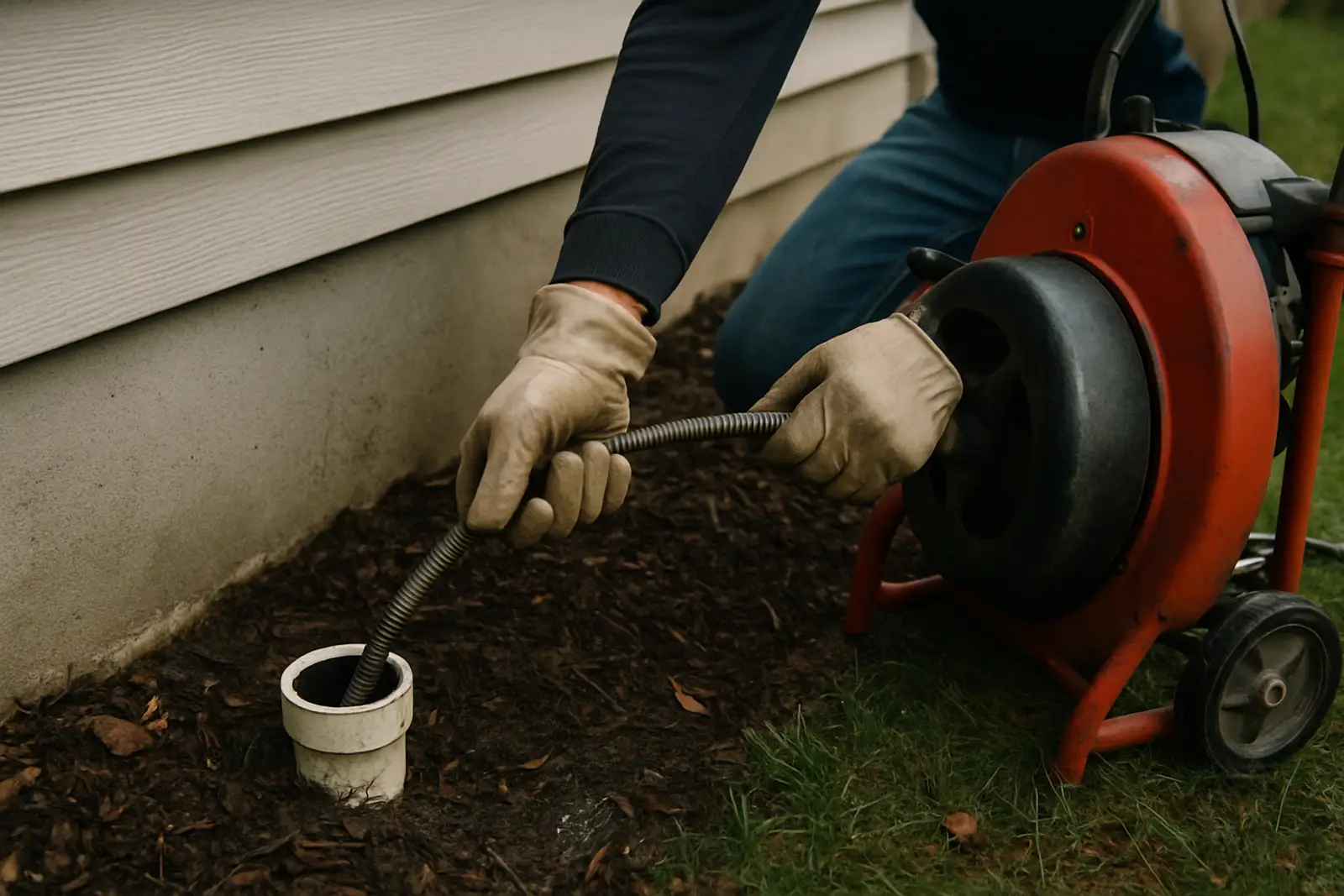
Houses and pipes in Yonkers
Southwest Yonkers, Getty Square, Ludlow and the neighborhoods near the Hudson have homes and apartment buildings from the 1880s through the 1930s, many multi-family with old cast iron and clay sewer lines.
Northwest Yonkers, Park Hill and the neighborhoods around Untermyer Park have early 1900s homes, many large and on steep hillside lots.
East Yonkers, including Crestwood, Lincoln Park and the areas near the Bronx River Parkway, was built from the 1920s through the 1960s with Tudors, colonials and two-family homes.
Many Yonkers houses are two- or three-family homes with basement apartments, sharing one house sewer.
The city sits on steep hills between the Hudson River and the Bronx River, with the Saw Mill River, once buried under downtown, now partly daylighted.
Who handles what in Yonkers
The City of Yonkers maintains local sewers, and Westchester County's sewer district operates the trunk lines and the Yonkers Joint Wastewater Treatment Plant. The house sewer from a Yonkers building to the city sewer belongs to the property owner.
Drain problems Yonkers homes see most
| Problem | Why it happens here |
|---|---|
| Steep, long laterals | Hillside homes across the city |
| Roots in clay pipe | Park Hill, Crestwood and Lincoln Park |
| House trap clogs | Older homes with basement traps |
| Basement apartment backups | Two- and three-family homes |
| Grease buildup | Apartment buildings and busy kitchens |
| Storm surges | Low areas near the Saw Mill and Hudson |
Yonkers drains through the year
Summer thunderstorms and tropical remnants bring heavy rain that floods low areas and overloads older sewers, and roots grow fastest in summer.
Winter freeze-thaw cycles crack old pipe in unheated basements and exterior walls, and cold snaps freeze drains in garages.
What drain cleaning costs in Yonkers
| Job | Typical range |
|---|---|
| Sink, tub or toilet cleared | $165–$340 |
| Main line or house trap cleared | $250–$545 |
| Root cutting | $325–$715 |
| Hydro jetting | $425–$985 |
| Sewer camera inspection | $175–$345 |
| Backwater valve installation | $1,100–$3,200 |
Newer lines clear quickly. Long, steep hillside laterals, multi-family buildings and house sewers that run under the street take longer.
Before the plumber arrives
- 1
Notify every unit
In a multi-family, ask all tenants to stop running water.
- 2
Check the basement apartment
The lowest unit usually floods first.
- 3
Find the house trap
Look for a U-shaped fitting with two caps near the front basement wall.
- 4
Leave the trap closed
A Yonkers house trap holding back a full line will empty onto the floor the moment its cap comes off.
A city of hills
Yonkers is one of the hilliest cities in the Northeast, and homes cling to slopes rising from the Hudson and the Saw Mill River valley. Houses above the street have laterals that drop steeply, sometimes through retaining walls, to sewers in the road. On very steep runs, water outruns solids and leaves paper and waste behind, especially where the slope flattens near the street. Long runs give roots more joints to enter. Jetting cleans these lines more thoroughly than a cable.
Multi-family homes
Much of Yonkers housing is two- and three-family homes, many with a basement apartment. All the units share one house sewer, and the basement unit has the lowest drains. When the sewer clogs, the basement tenant gets the water. Owners who clear the house trap and sewer regularly and add a backwater valve protect their tenants and property.
Getty Square and southwest Yonkers
Getty Square, downtown Yonkers, and the neighborhoods along the river were built around the carpet mills, elevator factory and other industries of the late 1800s and early 1900s. Old apartment buildings and multi-family homes there have cast iron stacks and old clay sewers. Downtown has been revitalized, including the daylighting of the Saw Mill River, but many older buildings still have original plumbing.
Park Hill and northwest Yonkers
Park Hill, laid out in the late 1800s as a hilltop residential park, has large homes on winding, steep streets with views of the Hudson. Big lots, mature trees and long clay laterals mean roots and cracked pipe are common. Lining is a good fix where digging on a steep slope would be difficult.
A typical Yonkers call
On a Saturday in July, the basement tenant in a 1925 two-family in Lincoln Park sees water coming up through the floor drain while the upstairs family does laundry. The plumber opens the house trap, pulls out wipes and grease, then cables the line toward the street and hits roots about twenty feet out. The camera shows a crack in the clay house sewer under the front stoop. The owner gets a bid for lining and a backwater valve.
East Yonkers
Crestwood, Lincoln Park, Dunwoodie and the neighborhoods near the Bronx River Parkway have Tudors, colonials and two-family homes from the 1920s through the 1960s. Tree-lined streets and clay or cast iron house sewers mean roots and scale are common.
Flooding along the rivers
Low areas near the Saw Mill River, the Bronx River and the Hudson waterfront can flood during heavy rain. When storm water fills the sewers, it can push back into basements. Backwater valves and disconnected downspouts help.
Apartment buildings
Yonkers has many older apartment buildings with shared cast iron stacks. Kitchen stacks collect grease from many households, and lower-floor units get the backup when a stack clogs. Building supers who schedule regular jetting avoid many emergencies.
Restaurants on Central Avenue and McLean Avenue
Central Avenue's busy commercial strip, McLean Avenue's Irish pubs and restaurants and downtown's waterfront dining all produce grease. Kitchens there stay open longer between emergencies when interceptors are pumped often and drain lines are jetted on a schedule.
Winter
Yonkers winters bring freeze-thaw cycles that crack old pipe and occasional deep cold that freezes drains in garages, unheated basements and exterior walls. Keep basements heated, insulate exposed pipe and let faucets drip during the coldest nights.
Retaining walls and stoops
On Yonkers' steepest blocks, a house sewer may pass through a stone retaining wall, under a set of front steps or beneath a neighbor's driveway before it reaches the street. Those spots are hard to dig and easy to damage, and they are often where the old clay has cracked from the weight above it. Camera footage that marks the exact depth and location of a break lets a plumber decide whether a liner can bridge it or whether a small, targeted excavation is needed. On a slope, knowing that before anyone starts digging can save days of work.
Permits and street work
Repairing a house sewer under a Yonkers street requires city permits and a licensed plumber, and steep streets can make excavation complicated. Trenchless lining often avoids opening the road.
Calling a Yonkers plumber
Give your neighborhood and the home's age, how many units it has and whether there's a basement apartment. Mention how steep the lot is, whether there's a house trap and whether it rained hard first.
Yonkers ZIP codes
- 10701
- 10703
- 10704
- 10705
- 10707
- 10708
- 10710
Yonkers drain questions
Who handles sewer in Yonkers?+
The city maintains local sewers and Westchester County runs the trunk lines and treatment plant. Your house sewer to the city sewer is yours.
Why do hillside Yonkers homes clog?+
Steep laterals can let water outrun solids, and long runs have more joints for roots to enter.
Can a backwater valve protect my basement apartment?+
Yes. It closes when the city sewer surcharges, keeping sewage from coming up through basement drains.
Should I scope the sewer before buying in Yonkers?+
Yes. Old laterals on steep lots can be expensive to repair.