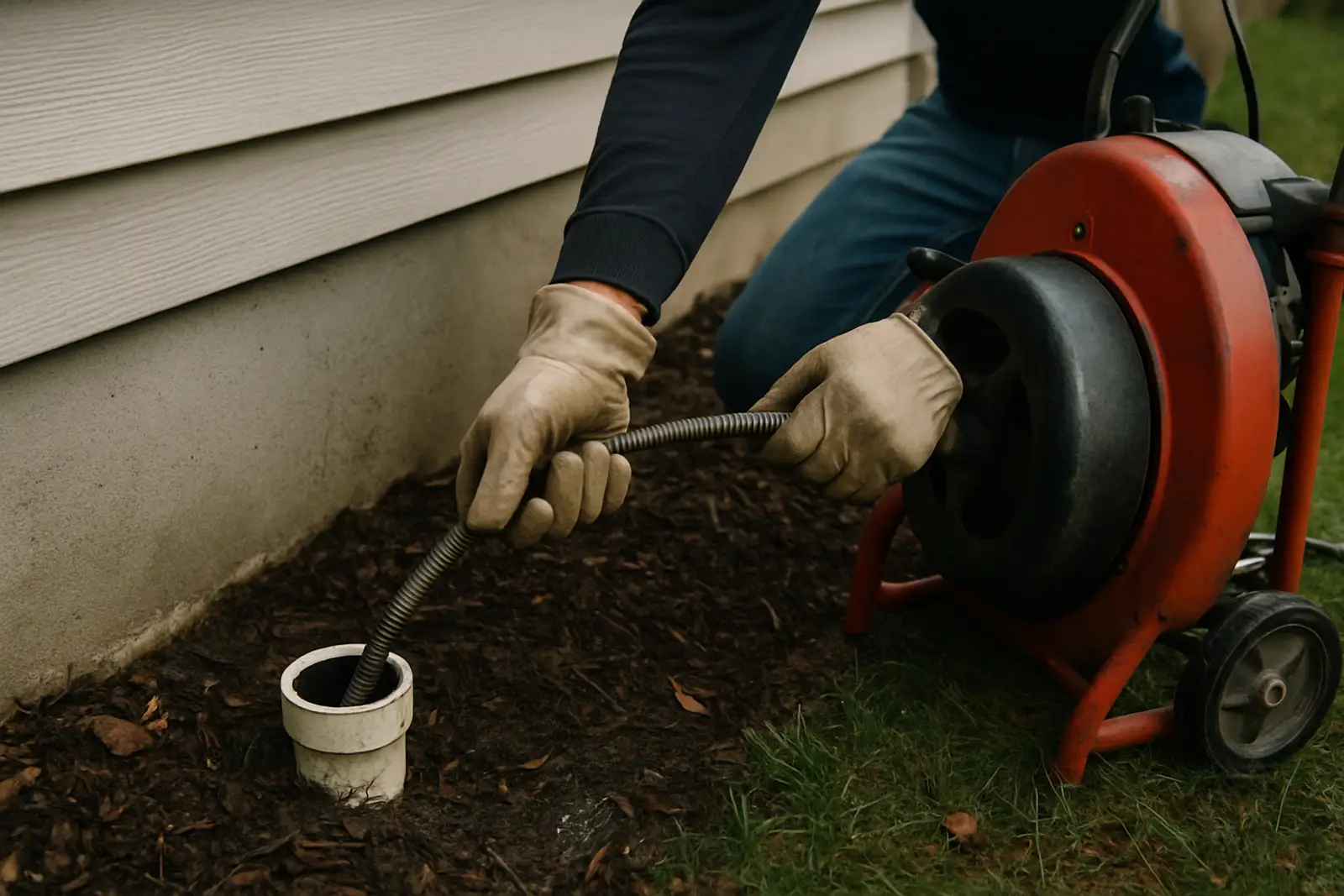
Houses and pipes in Stamford
The West Side, the East Side, Shippan and the neighborhoods near downtown have homes from the 1880s through the 1930s, including two- and three-families with basements and old laterals.
Glenbrook, Springdale and Belltown have colonials, capes and two-families from the 1910s through the 1950s.
North Stamford has larger homes on wooded lots, many on septic and wells.
Harbor Point and downtown have high-rise apartments and condos built since the 2000s.
Stamford sits on ledge and glacial till near Long Island Sound, with low coastal areas that flood in storms.
Who handles what in Stamford
The Stamford Water Pollution Control Authority runs the city's sewers and treatment plant. Stamford homeowners maintain the building sewer from the house to the public main; North Stamford homes on septic maintain their own systems.
Drain problems Stamford homes see most
| Problem | Why it happens here |
|---|---|
| Roots in clay laterals | Glenbrook, Springdale and the West Side |
| Coastal flooding | Shippan, the South End and Cove |
| Ledge and rock | Hilly neighborhoods |
| Multi-family shared lines | West Side and East Side |
| Septic problems | North Stamford |
| Grease and wipes | Busy households and restaurants |
Stamford drains through the year
Nor'easters and summer storms raise tides and groundwater along the coast, and roots grow fastest in summer.
Winter freezes catch pipes in garages, porches and exterior walls.
What drain cleaning costs in Stamford
| Job | Typical range |
|---|---|
| Sink, tub or toilet cleared | $170–$350 |
| Main line cleared from a cleanout | $255–$560 |
| Root cutting | $330–$730 |
| Hydro jetting | $440–$1,020 |
| Sewer camera inspection | $180–$355 |
| Septic line clearing | $250–$600 |
Newer condos and homes clear quickly. Older laterals through ledge, coastal basements and North Stamford septic work take longer.
Before the plumber arrives
- 1
Stop running water
Pause the washer and dishwasher, then showers.
- 2
Shoreline home?
During a storm or king tide, low sewers may back up; wait for the water to drop.
- 3
Sewer or septic?
North Stamford homes are often on septic; tell the plumber.
- 4
Condo?
Contact your association or building manager first for shared lines.
The West Side and East Side
Stamford's West Side and East Side grew around the Yale and Towne lock factory and other manufacturers in the late 1800s, with two- and three-family homes for Irish, Italian, Polish and later Haitian, Guatemalan and Jamaican families. Laterals there are old clay or cast iron, often shared by several units, and the basement unit gets the backup when they clog.
Glenbrook and Springdale
Glenbrook and Springdale, on the city's east side along the train line, have colonials, capes and two-families from the early and mid twentieth century. Big maples and oaks send roots into clay laterals, and many basements have been finished.
Shippan and the shoreline
Shippan Point and the Cove sit right on Long Island Sound, with homes ranging from old cottages to large waterfront houses. Hurricane Sandy flooded many basements here in 2012, and nor'easters still push water onto low streets. High groundwater seeps into cracked laterals, and backflow preventers protect basements.
Ledge
Stamford sits on Connecticut's rocky ledge and glacial till. In hilly neighborhoods, laterals were often laid shallow or cut through rock. Excavating through that rock is slow and expensive, which is why so many Stamford repairs are done with liners or pipe bursting instead.
A typical Stamford call
In July, a family in a 1930s colonial in Glenbrook finds water seeping across the finished basement from the floor drain. The plumber opens the cleanout and cuts roots from a big sugar maple about thirty-five feet out. On the camera, the clay is cracked where it crosses a ledge outcrop. Lining avoids having to break rock.
North Stamford septic
North Stamford, above the Merritt Parkway, has larger homes on wooded lots, many on septic and wells. Rocky soil makes septic design tricky, and a full tank or saturated leach field can slow every drain at once. Regular pumping keeps systems working.
Downtown and Harbor Point
Downtown and Harbor Point have added thousands of apartments and condos since the 2000s. Their plumbing is modern, but shared stacks in big buildings still collect grease. Building managers schedule regular jetting.
Restaurants on Bedford Street
Bedford Street, downtown and Harbor Point have a busy restaurant scene serving office workers and residents. Kitchens there pump grease interceptors on a tight cycle to stay open on busy nights.
Commuters
Many Stamford residents commute to Manhattan, and busy mornings stack showers, laundry and dishes into short windows. A partial clog can turn into a backup during the rush.
Households with young children add diapers and wipes to the mix, and those are among the most common things plumbers pull from Stamford lines.
Winter
Stamford winters bring nor'easters and cold snaps. A laundry on a back porch or plumbing on a north-facing wall is most at risk. Keep basements warm and insulate exposed lines.
Springdale and the Noroton River
Springdale and the eastern neighborhoods near the Noroton River and Toilsome Brook sit on lower ground where groundwater rises after heavy rain. Older laterals there take in water through cracked joints, and basements can see seepage. Sealing the lateral and keeping a sump pump working help keep them dry.
Belltown and Ridgeway
Belltown and Ridgeway, north of downtown, filled in from the 1920s through the 1960s with capes, colonials and ranches on hilly lots. Laterals run down sloping yards through rocky soil, and maples and oaks planted with the homes are now large. Roots and offsets at old joints are common findings, and many owners there choose lining over excavation through ledge.
The South End and Waterside
The South End and Waterside, between downtown and the harbor, were working neighborhoods of small homes and two-families for factory and rail workers. Much of the South End has been rebuilt around Harbor Point, but older blocks remain, sitting on low, filled land where groundwater is high and storm surge reaches. Old clay laterals there take in water and sand, and homes on the lowest streets benefit most from a backflow preventer.
Finished basements
Many Stamford homes have finished basements with family rooms, offices and guest suites. A backup there can be expensive. A backwater valve, an accessible cleanout and a camera check on older lines protect that investment.
Information to share
Share the neighborhood, the home's age and type, whether you're on sewer or septic and whether you're near the water. Mention big trees near the line.
Stamford ZIP codes
- 06831
- 06901
- 06902
- 06903
- 06905
- 06906
- 06907
Stamford drain questions
Who handles sewer in Stamford?+
The Stamford Water Pollution Control Authority. The building sewer is the owner's, and septic owners maintain their systems.
Is North Stamford on city sewer?+
Much of it isn't. Many homes there use private septic systems and wells.
Why is digging expensive in Stamford?+
Ledge and boulder-filled till sit close to the surface, so excavation can mean breaking rock. Lining avoids most digging.
Should Stamford buyers get a sewer scope?+
Yes, especially for older homes and those near the shore.