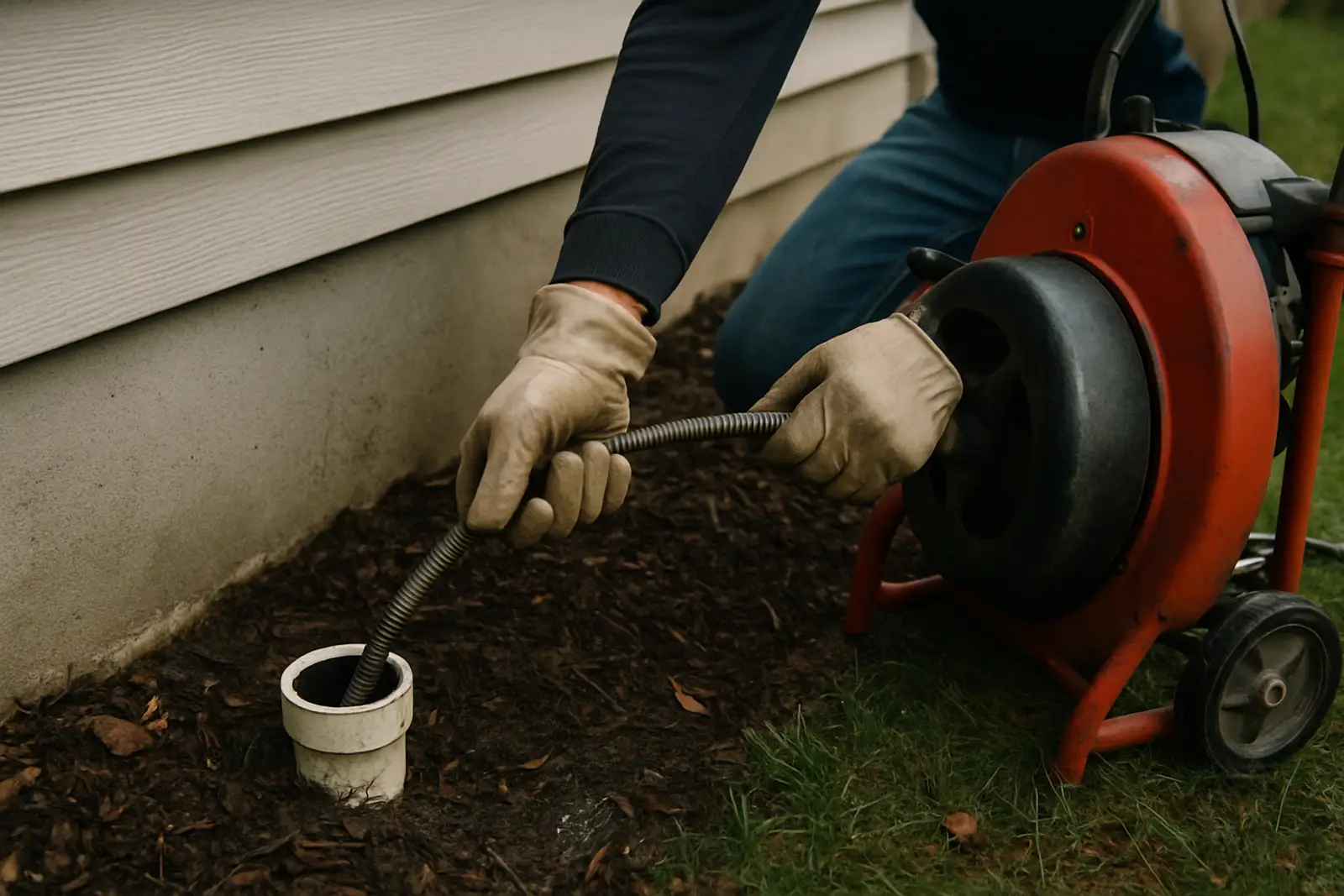
Houses and pipes in Cambridge
Mid-Cambridge, Cambridgeport, Riverside and the Port have Victorian homes, two-families and triple-deckers from the 1850s through the 1920s, many now condos.
East Cambridge and Wellington-Harrington have worker cottages and multi-families built for factory and glassworks workers in the 1800s.
North Cambridge, Neighborhood Nine and the area around Fresh Pond have homes from the 1890s through the 1940s.
Brattle Street and Avon Hill have large historic homes, some from the 1700s and 1800s.
Parts of Cambridge have combined sewers, and the city has worked for decades with the MWRA to separate them and reduce overflows into the Charles River and Alewife Brook.
Who handles what in Cambridge
The City of Cambridge Department of Public Works maintains local sewers, and the MWRA treats wastewater at Deer Island. A Cambridge property owner owns the building sewer up to the public main; in condo buildings, that usually means the condo association.
Drain problems Cambridge homes see most
| Problem | Why it happens here |
|---|---|
| Condo buildings sharing one sewer | Converted Victorians and triple-deckers |
| Roots in clay laterals | Mid-Cambridge, Avon Hill and North Cambridge |
| Basement flooding in storms | Low areas near Alewife and the Charles |
| Cast iron corrosion | Century-old buildings |
| Heavy use in student rentals | Near Harvard and MIT |
| Frozen pipes | Winter |
Cambridge drains through the year
Nor'easters and summer thunderstorms load the sewers and flood low streets, especially near Alewife Brook, and roots grow fastest in summer. September 1 move-in brings a wave of rental calls.
Winter cold freezes pipes in back porches, unheated basements and exterior walls of old wood-frame houses.
What drain cleaning costs in Cambridge
| Job | Typical range |
|---|---|
| Sink, tub or toilet cleared | $175–$360 |
| Main line cleared from a cleanout | $260–$575 |
| Root cutting | $340–$750 |
| Hydro jetting | $450–$1,045 |
| Sewer camera inspection | $185–$365 |
| Backwater valve installation | $1,200–$3,500 |
Single-family homes with an accessible cleanout go fastest. Multi-unit condo buildings, very old laterals and tight basements take longer.
Before the plumber arrives
- 1
Notify the association
In a condo building, let the trustees or management company and the other owners know.
- 2
Stop running water
Every unit should hold off until the shared sewer is cleared.
- 3
Check the basement
Water at the basement floor drain or a garden-level unit means the building sewer is blocked.
- 4
Find the cleanout
Usually low on the front foundation wall in the common basement.
Condos in old houses
Much of Cambridge's housing stock is Victorian single-families, two-families and triple-deckers that have been converted into condos. Three or four households, sometimes more, now share a building sewer that was laid for one family a century ago. When it clogs, the lowest unit, often a garden-level condo, gets the water. Condo associations that budget for regular camera inspections and jetting avoid many emergencies and disputes.
Mid-Cambridge and Cambridgeport
Mid-Cambridge, between Harvard and Central squares, and Cambridgeport, between Central Square and the Charles, have Victorian houses, two-families and triple-deckers on tree-lined streets. Clay and cast iron laterals under big street trees mean roots and corrosion. Cambridgeport was one of the areas where the city focused sewer separation to reduce flooding.
Alewife and North Cambridge
North Cambridge, near Alewife Brook and the Fresh Pond Reservation, sits on lower ground with higher groundwater. Heavy storms have flooded basements there, and the city has built storm water wetlands and separated sewers to reduce the problem. Backwater valves remain good protection for low basements.
East Cambridge
East Cambridge, near Kendall Square and the Lechmere area, was once an industrial neighborhood of glassworks, soap factories and worker housing. Small cottages and multi-families from the 1800s still line its streets, now surrounded by biotech labs and new towers. Old laterals and new construction sit side by side.
A typical Cambridge call
In mid-September, the garden-level owner in a converted 1890s triple-decker in Mid-Cambridge finds water rising through the shower drain. The association's management company calls a plumber, who opens the cleanout in the common basement and clears wipes, grease and roots about twenty feet out under the sidewalk. The camera shows cracked clay. The trustees vote to line the building sewer.
Students and September 1
Cambridge's universities bring tens of thousands of students and researchers, and many rent apartments in older houses. September 1 is moving day across greater Boston, and new tenants run water heavily in their first week. Owners near Harvard and MIT who have the line cleaned in late August, between leases, rarely get the panicked call in the first week of September.
Brattle Street and Avon Hill
Brattle Street's historic mansions and Avon Hill's large Victorians sit on bigger lots with very old trees. Long laterals under those trees fill with roots. Lining protects historic landscapes.
Restaurants in the squares
Harvard Square, Central Square, Inman Square and Kendall Square are packed with restaurants, many in old buildings. Kitchens there must maintain grease traps, and pumping them on schedule prevents backups that can affect neighbors in shared buildings.
Winter in old wood-frame houses
Cambridge's wood-frame houses have back porches, rear kitchens and exterior walls where pipes freeze in a deep cold snap. A little heat in the shared basement, foam on any exposed supply and drain lines and a trickling tap during subzero nights prevent most frozen pipes.
Permits and historic districts
Cambridge has several historic districts and conservation districts, and work in public ways requires DPW permits. Trenchless lining can reduce disruption to sidewalks, trees and historic properties.
The Port and Wellington-Harrington
The Port, between Central and Kendall squares, and Wellington-Harrington, near Inman Square, are dense neighborhoods of multi-families and cottages from the late 1800s. Many buildings have several households sharing an old lateral, and grease from busy kitchens is a common cause of clogs.
With so many units sharing one pipe, it only takes one household pouring grease down the sink to cause trouble for everyone. Associations and landlords who remind residents about grease and wipes see fewer calls.
Labs, towers and old laterals
Kendall Square and the old industrial blocks around it have been rebuilt into one of the densest biotech districts in the world, with new towers going up next to nineteenth-century cottages. Construction there often means new sewer connections, temporary bypasses and heavy equipment working near older laterals. Homeowners on the streets around big projects sometimes notice new slow drains or gurgling after nearby work. A camera inspection can show whether a lateral was cracked or shifted, which matters if a claim needs to be made.
What helps the plumber
Say which neighborhood you're in, how many units share the building sewer, whether there's a garden-level unit and where the cleanout is. Mention whether a storm came first.
Cambridge ZIP codes
- 02138
- 02139
- 02140
- 02141
- 02142
Cambridge drain questions
Who handles sewer in Cambridge?+
Cambridge DPW maintains local sewers, and the MWRA treats wastewater. The building sewer to the main belongs to the property owner or condo association.
Who pays for a clog in a condo building's shared sewer?+
Usually the condo association, as a common element, unless the condo documents say otherwise.
Has Cambridge separated its sewers?+
Much of it. The city has spent decades separating combined sewers, especially in Cambridgeport and near Alewife, to reduce overflows and basement flooding.
Should a condo buyer ask about the sewer?+
Yes. Ask whether the building sewer has been inspected or repaired and whether the association has reserves for it.