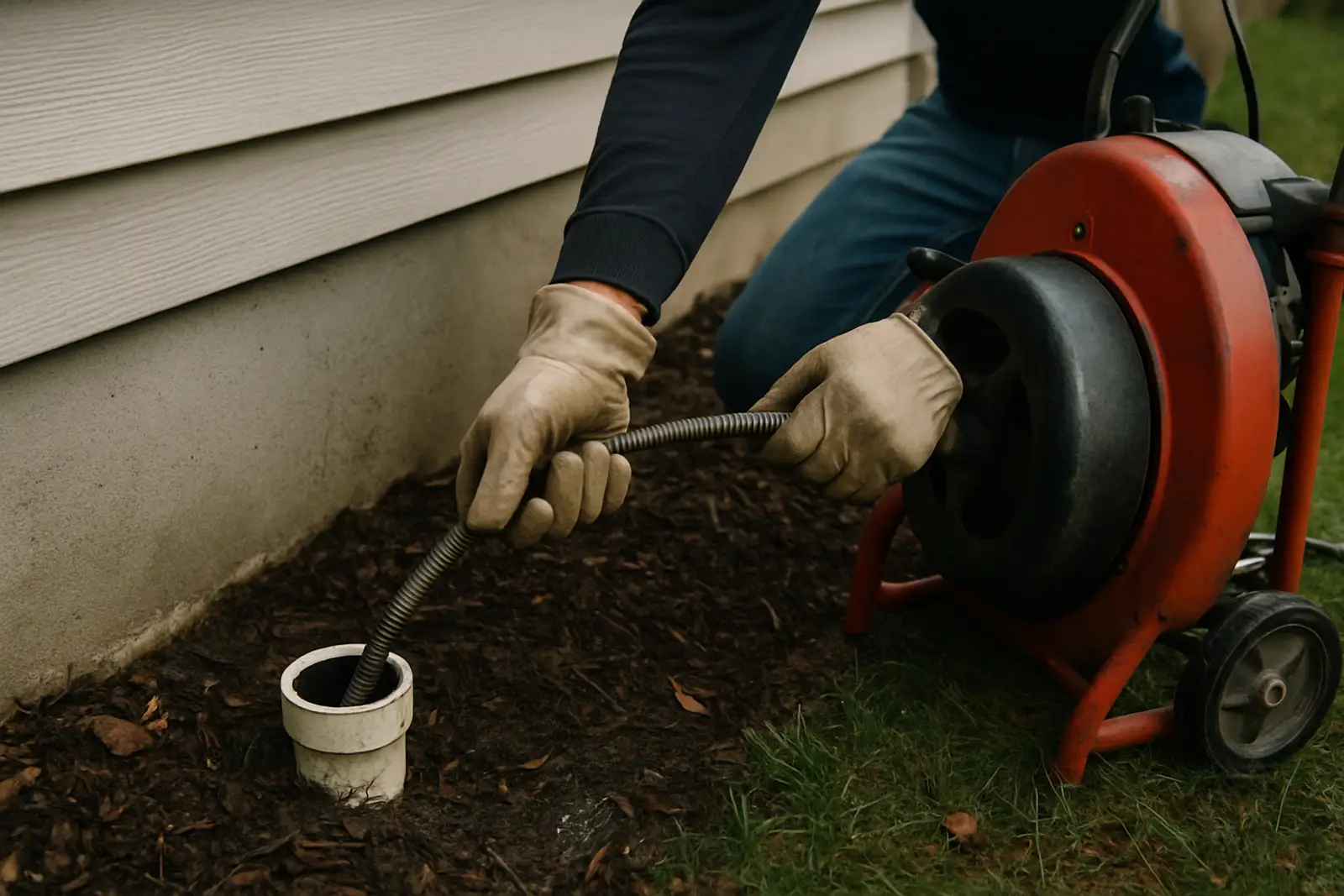
Houses and pipes in Rochester
Corn Hill, the South Wedge, Park Avenue, East Avenue and the Neighborhood of the Arts have homes from the 1840s through the 1920s, many with basements and clay laterals under huge old trees.
The 19th Ward, Maplewood, Browncroft and North Winton Village were built from the 1900s through the 1930s with foursquares, Colonial Revivals and Arts and Crafts homes.
Postwar neighborhoods on the city's edges and suburbs like Greece, Irondequoit and Gates were built from the 1940s through the 1960s with Cape Cods and ranches.
Rochester's combined sewers are backed up by the Combined Sewer Overflow Abatement Program's deep rock tunnels, which store overflow during storms.
Lake-effect snow from Lake Ontario brings long, snowy winters, and spring thaws raise groundwater across the city.
Who handles what in Rochester
The City of Rochester maintains local sewers, and Monroe County Pure Waters operates the trunk sewers, deep tunnels and the Frank E. VanLare treatment plant. Rochester property owners maintain their sewer lateral to the public main.
Drain problems Rochester homes see most
| Problem | Why it happens here |
|---|---|
| Roots in clay laterals | Park Avenue, the 19th Ward and Browncroft |
| Basement backups | Older homes with floor drains |
| Cast iron corrosion | Century-old homes |
| Frozen lines | Lake-effect winters |
| Groundwater infiltration | Spring thaw |
| Grease and wipes | Student rentals and busy households |
Rochester drains through the year
Spring thaw and summer storms raise groundwater and load the sewers, and roots grow fastest in June and July.
Long, snowy winters bring deep cold that freezes drains in garages, porches and exterior walls.
What drain cleaning costs in Rochester
| Job | Typical range |
|---|---|
| Sink, tub or toilet cleared | $125–$270 |
| Main line cleared from a cleanout | $195–$430 |
| Root cutting | $255–$580 |
| Hydro jetting | $330–$795 |
| Sewer scope inspection | $135–$275 |
| Frozen line thawing | $190–$490 |
Newer suburban lines clear quickly. Century-old clay under big trees, frozen lines and homes without cleanouts take longer.
Before the plumber arrives
- 1
Stop running fixtures
Laundry and the dishwasher send the most water, so stop them first.
- 2
Check downstairs
Water at the basement floor drain or laundry sink points to the lateral.
- 3
Deep freeze?
If it's well below zero and drains stopped suddenly, the line may be frozen.
- 4
Find the cleanout
Rochester basements usually have it low on the wall facing the street.
Flour City to Kodak
Rochester grew along the Genesee River's waterfalls in the early 1800s as a flour milling center, earning the name Flour City. Later, Kodak, Bausch and Lomb and Xerox made it one of the most prosperous cities in the country. The wealthy built mansions along East Avenue, and the middle class filled neighborhoods like Park Avenue, the 19th Ward and Browncroft with solid homes. Those homes have basements, cast iron stacks and clay laterals that are now about a century old.
Park Avenue and the Neighborhood of the Arts
Park Avenue's shops and restaurants anchor a neighborhood of Victorian and early 1900s homes, many converted to apartments. The Neighborhood of the Arts, near the Memorial Art Gallery, has similar homes. Big trees and old clay laterals mean roots are the leading cause of backups.
The 19th Ward
The 19th Ward, southwest of downtown, was built in the early 1900s as a streetcar suburb, with foursquares and Colonial Revivals on tree-lined streets. Its clay laterals have had more than a century to crack and fill with roots. Many homes have been rentals for decades, adding wear.
The deep tunnels
Rochester's combined sewers once overflowed into the Genesee River and Lake Ontario every time it rained hard. Monroe County Pure Waters built a system of deep rock tunnels, some more than a hundred feet underground, to store overflow until the treatment plant can handle it. The tunnels greatly reduced overflows, but local sewers can still surcharge during extreme storms.
A typical Rochester call
In June, a family in a 1915 foursquare in the 19th Ward notices the basement floor drain gurgling and then overflowing. The plumber opens the cleanout and clears roots about thirty feet out, near a big maple. The video shows the clay split and one joint shifted about an inch. A liner goes on the summer to-do list.
Lake-effect winters
Rochester gets heavy lake-effect snow from Lake Ontario and long stretches of cold. Mudroom laundry drains, garage sinks and the pipes in old kitchen walls are usually the first to ice up. Keep basements heated, insulate pipes on exterior walls and let faucets drip on the coldest nights.
Spring thaw
After a Rochester winter piles up several feet of snow, the March melt soaks the ground and pushes water into every cracked joint. Basements see more moisture, and sump pumps run more often. Repairing cracked pipe reduces infiltration.
Students and rentals
Rochester has the University of Rochester, RIT and several other colleges, and many older homes nearby are rented to students. Several tenants push heavy loads through old laterals. Landlords who jet lines before each school year avoid many emergencies.
Garbage plates and restaurants
Rochester's famous garbage plates, along with the restaurants on Park Avenue, Monroe Avenue, the East End and the Public Market, produce plenty of grease. Grill-heavy kitchens like these coat their drains fast, so the interceptor and the line to the street both need regular cleaning.
East Avenue and the mansions
East Avenue was once called the most beautiful street in America, lined with mansions built by George Eastman and other industrial families. Many of those homes are now offices, apartments or museums, and many of the smaller homes on the side streets have been carefully restored. Their sewer laterals are long, often running through deep front lawns under oaks and elms planted more than a century ago. Root intrusion is almost a given. Owners who protect those trees usually choose lining or pipe bursting over open trenching.
Browncroft and North Winton Village
Browncroft, built on the grounds of a former nursery, and North Winton Village on the east side have Arts and Crafts, Tudor and Colonial Revival homes from the 1910s and 1920s on streets planned with the trees in mind. Homes here usually have full basements, cast iron under the floor and clay out to the street. After a hundred years, cast iron scale slows the basement drains while roots work into the clay. A plumber clearing the main often recommends descaling the interior pipe at the same visit.
Postwar suburbs and edges
Neighborhoods on Rochester's edges, along with Greece, Irondequoit and Gates, filled in after World War II with Cape Cods and ranches for Kodak and Xerox families. Their laterals are clay, cast iron or early plastic, and many now show roots or sags. Finished basements in these homes make a backwater valve a sensible addition.
Calling a Rochester plumber
Say what part of the city you're in, roughly when the house went up, whether tenants live there and where the basement cleanout sits. Mention big trees near the lateral and whether the trouble started after a thaw, storm or cold snap.
Rochester ZIP codes
- 14605
- 14608
- 14610
- 14612
- 14614
- 14624
Rochester drain questions
Who handles sewer in Rochester?+
The city maintains local sewers and Monroe County Pure Waters runs trunk sewers and treatment. The lateral is the owner's.
What are Rochester's deep tunnels?+
Large tunnels bored in rock beneath the city that store combined sewer overflow during storms, then send it to the treatment plant.
Why do Park Avenue homes have so many root clogs?+
Their clay laterals are often a century old and run under very large trees.
Is a sewer scope worth it when buying in Rochester?+
Yes, especially for homes built before 1950.